

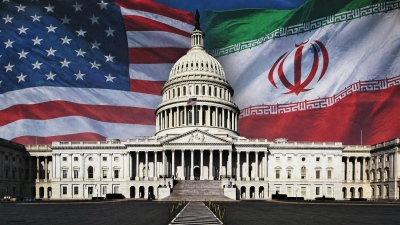
A major military conflict between the US and Iran could trigger a massive disruption in the global oil supply, highlighting the pivotal role of the world’s two largest oil consumers. With the strategic reserves and safety stocks held by the US and China, the impact of a potential supply shock could be mitigated, provided that both nations act decisively.
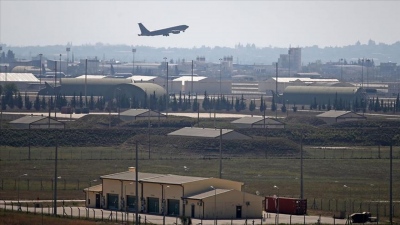
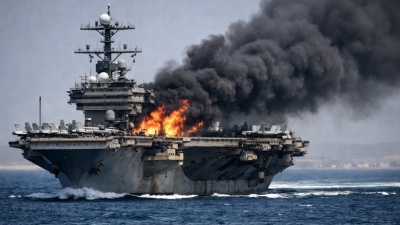
For now, the region remains tense. US and Iranian officials continue indirect talks, while US military forces bolster their presence in the Gulf. Scenarios range from a limited US strike to a multi-week campaign, while Iran could respond with targeted retaliation or, in extreme cases, attacks against Israel, Saudi Arabia, and other US allies, as well as strikes on energy infrastructure or even an attempt to close the Strait of Hormuz. This specific strait handles approximately 20 million barrels per day of crude and refined products, an amount representing nearly one-fifth of global consumption, notes Modern Diplomacy.
Even if Iran attempted a blockade, it would restrict its own exports, and the US Navy is positioned to prevent a prolonged disruption. Alternative export routes, such as pipelines in Saudi Arabia and the UAE, would further limit the fallout. However, the possibility of a severe supply disruption cannot be ruled out, especially as the expected oil surplus for 2026 has yet to materialize.
Strategic Reserves as a shield
Strategic petroleum reserves would constitute the first line of defense in the event of a disruption. The International Energy Agency requires its members to maintain reserves equal to at least 90 days of net crude imports. The US Strategic Petroleum Reserve, the largest in the world, has a capacity of 714 million barrels, though current stocks stand at approximately 415 million, significantly lower than peak levels.
Nevertheless, the US is now the world’s largest oil producer, with a daily output of approximately 13.6 million barrels, making it much less dependent on imports than in the past. Today's reserves cover about 200 days of net imports, offering Washington significant flexibility to release quantities and stabilize markets in the event of a price spike.
China’s silent stockpiling strategy
China also exerts significant influence over oil markets. Last year, it consumed approximately 17 million barrels per day, importing about half of that from the Middle East. Analysts estimate that Chinese crude stocks may reach up to 1.3 billion barrels, an amount corresponding to more than four months of imports, with additional storage capacity available.
Unlike the US, China rarely releases official data regarding its strategic reserves. This large-scale commercial stockpiling, often opaque, has historically absorbed global supply surpluses. In the event of a sharp price increase, Beijing could slow imports or channel reserves into the market, limiting pressure both domestically and internationally.
Global energy balance at risk
A sharp escalation between Washington and Tehran would almost certainly lead to a rise in oil prices, threatening one of the most serious energy crises in recent decades. While regional dynamics and military decisions remains unpredictable, the ability of the US and China to utilize their reserves will be decisive in limiting the economic impact.
Ultimately, managing a potential Middle East oil shock will depend not only on military developments but also on the strategic decisions of the world's largest oil consumers. Their choices will determine whether global energy markets experience a temporary disturbance or a prolonged crisis.
www.bankingnews.gr






Σχόλια αναγνωστών