Iran is considering allowing a limited number of tankers to pass through the Strait of Hormuz, on the condition that the cargo will be traded in Chinese yuan, a senior Iranian official told CNN on Saturday 14 March 2026.
The official said the potential move is part of Tehran’s plan to manage the flow of tankers through the strategic maritime transportation hub.
Global oil is traded mainly in US dollars, except for Russian oil under sanctions, which is priced in rubles or yuan.
China has been trying for years to expand the use of the yuan in oil transactions, although the dollar remains the main global reserve currency.
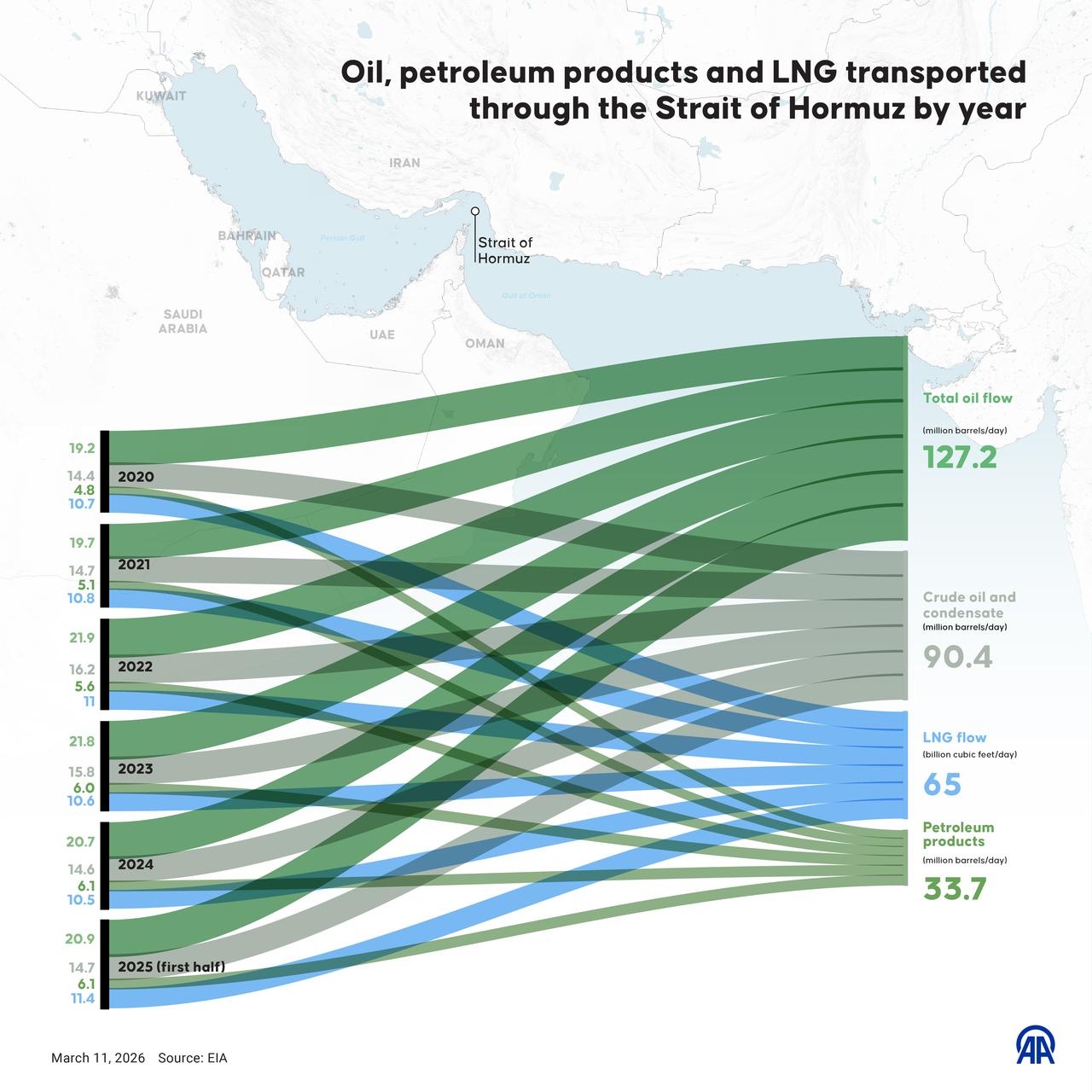
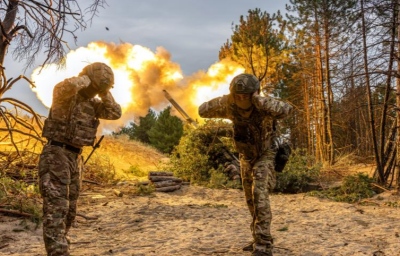
Iran has effectively closed the Strait of Hormuz since the war with the US and Israel began, shaking global oil markets with attacks and threats against ships passing through. However, some ships are reportedly receiving an exemption, so that millions of barrels of Iranian crude continue to flow to China.
This special facilitation reflects the economic “lifeline” that, according to experts, Tehran has secured from Beijing, which now absorbs approximately 90% of Iranian oil exports.
And while China has presented itself during the conflict as an external “peacekeeping power”, the extensive oil trade, through difficult to trace networks of state actors and shell companies, now allows Iran to finance its military operations.
“With the Islamic Revolutionary Guard Corps (IRGC) now controlling up to about 50% of Iran’s oil export revenues, [the revenues from China] essentially finance its military operations and regional proxies,” said Tuvia Gering, researcher at the Atlantic Council’s Global China Hub.
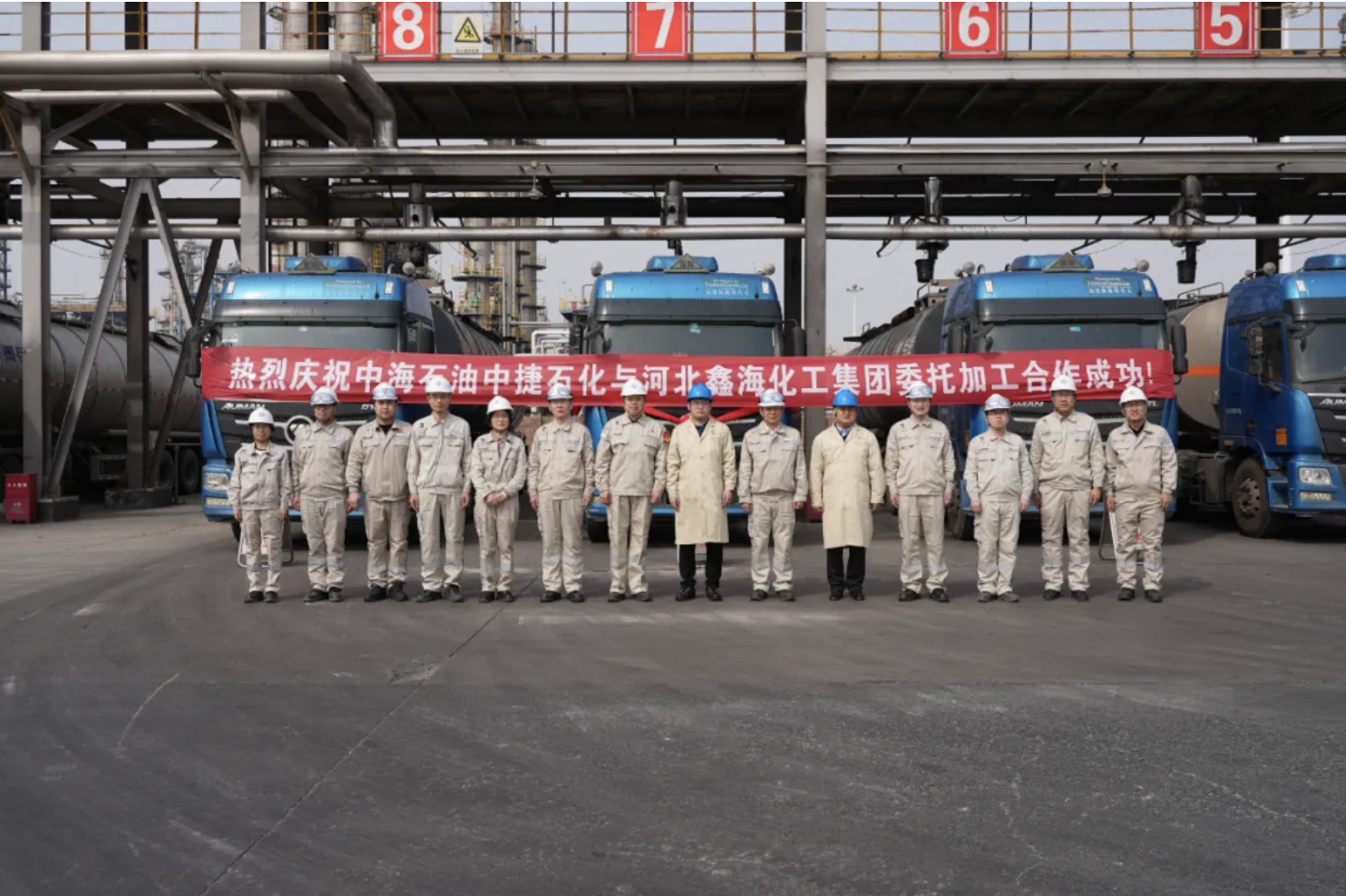
After Western sanctions that excluded Tehran from many international buyers and financial systems, Iran found a willing buyer in China, the largest crude importer in the world.
Beijing sealed this relationship in 2021 with a 25 year cooperation agreement worth 400 billion dollars, securing a reduced price for Iranian oil in exchange for investments in energy, financial, and other critical Iranian infrastructure, reported the New York Times.
The shadow trade relations
However, much of their trade remains “shadow”.
According to a report from the US Department of Energy last year, part of the oil destined for China passes through Malaysia, Singapore, and Vietnam, or is simply reported as “unknown origin”.
Research by Kharon and US sanctions reveal the role played by Chinese entities in Iran’s oil trade at three main levels:
1) The buyers: Independent refineries (Teapot Refineries)
Amid concerns about sanctions, China’s large state refineries moved away from the market for Iranian crude after the US withdrawal from the Iran nuclear agreement in 2018.
The gap was filled by the “teapots”, small independent refineries in Shandong province, which began receiving import licenses from 2015 when China broke the state monopoly on oil purchases, by 2025, they were estimated to represent 90% of Iranian oil exports to China.
This arrangement gives Beijing “the ability of plausible deniability”, as stated by Maia Nikoladze, deputy director at the Atlantic Council’s GeoEconomics Center.
The smaller refineries “present limited systemic risk if sanctions are imposed”.
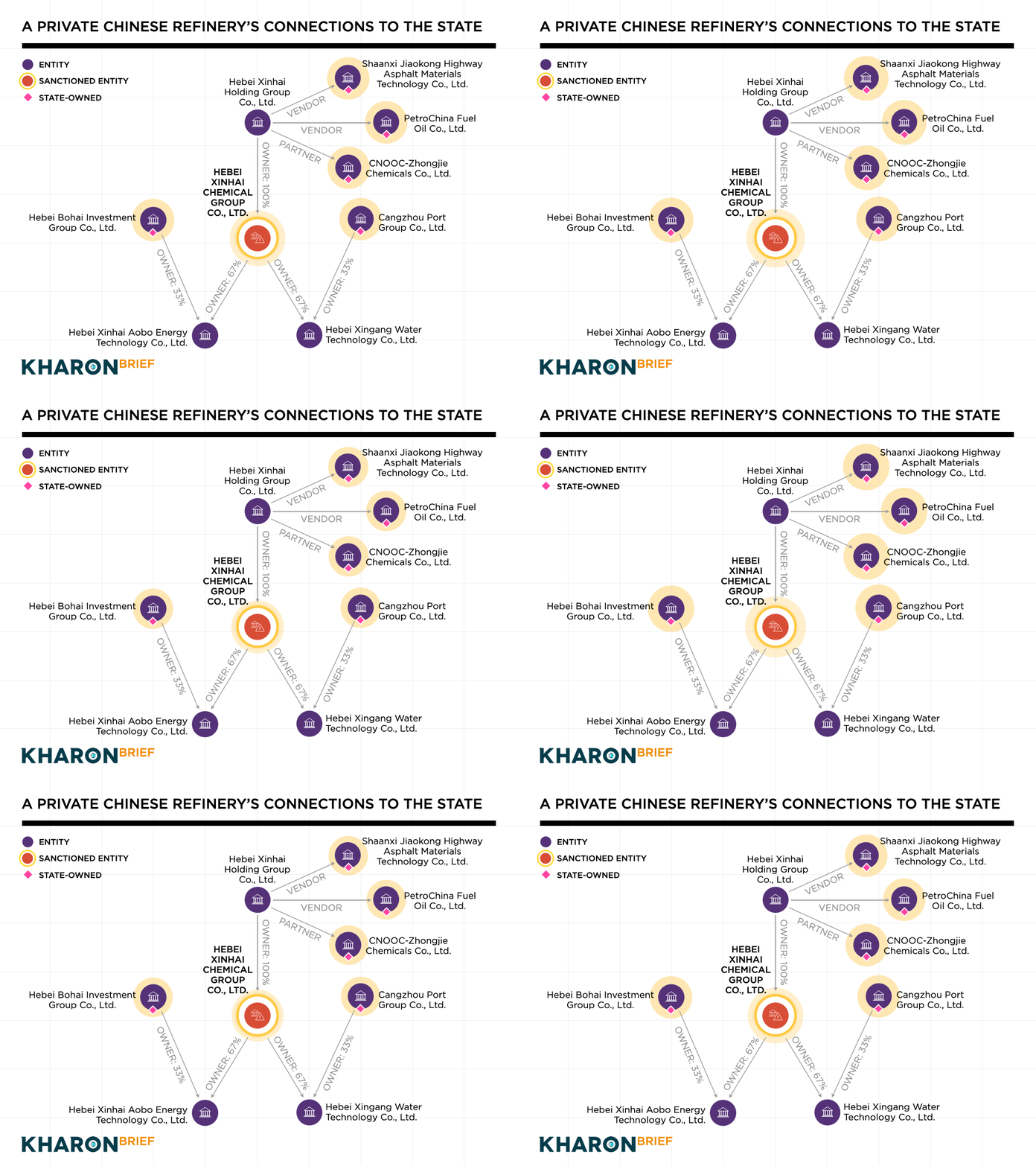
However, Kharon’s research shows that the “independence” of the teapots does not fully reflect reality.
Despite their apparent private ownership, they are closely connected to the Chinese state through joint ventures, partnerships with state enterprises, and customers linked to the government.
2) The distribution system: The shadow fleet
Iran transports its oil through an “extensive network of tankers and ship management companies”, as described by the US Department of the Treasury.
Ships change names and flags, falsify cargo records, and mislead tracking systems to hide their route.
Ownership is covered by shell companies, making it difficult to trace who controls the ship or who is being paid.
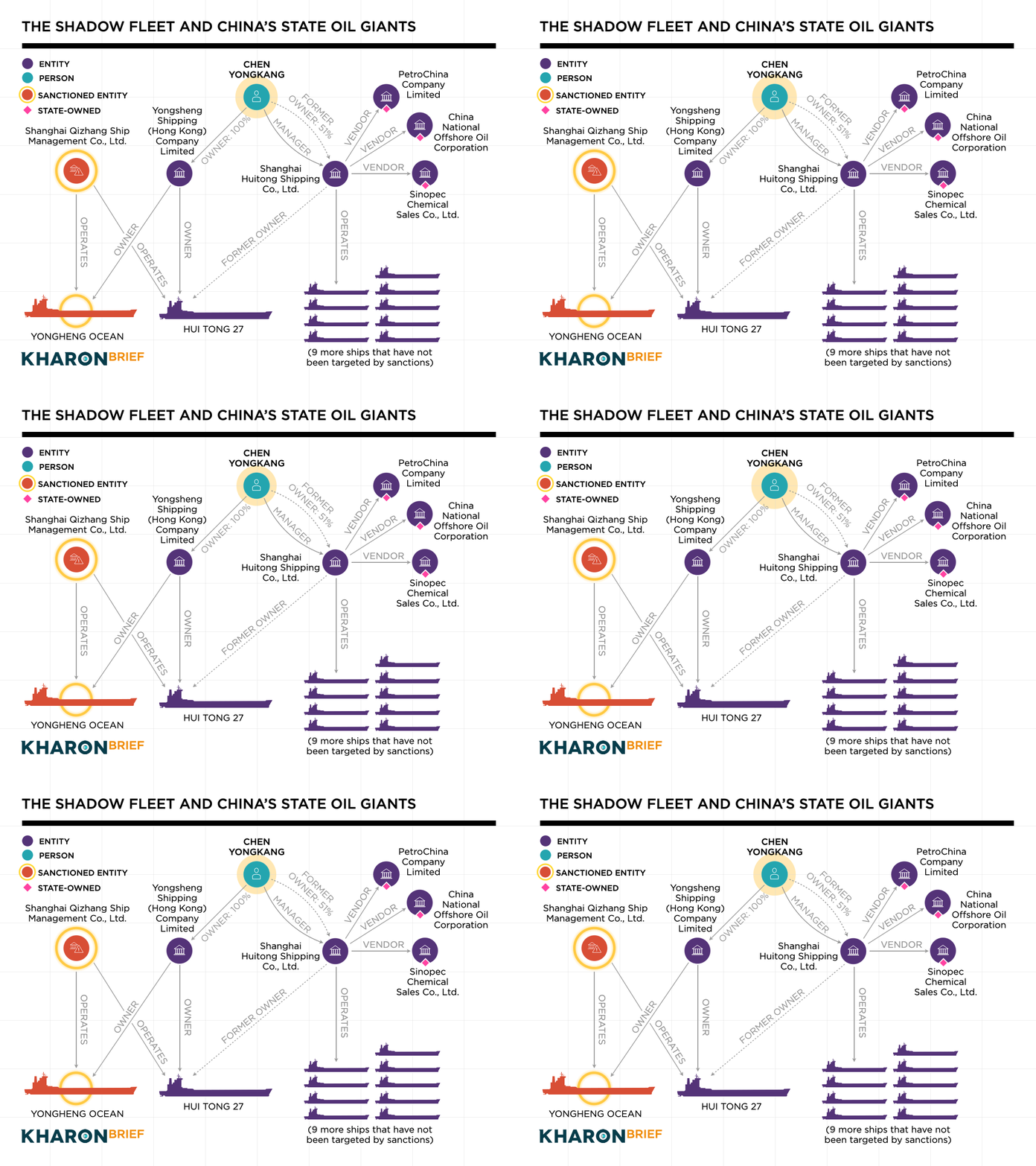
Research by Kharon states, for example, that Chinese national Chen Yongkang manages operations that include at least two companies in Hong Kong, a tanker manager in Shanghai, and a fleet of chemical and oil vessels.
Chinese energy giants also appear as clients within this network.
3) Financing: Shell companies
US sanctions limit direct payments from China to Iran.
However, the two countries have found alternative methods. According to the Wall Street Journal, China implements a “construction for oil” system, (construction projects in exchange for oil) where Iran sends crude to China and, in return, Chinese companies build airports, refineries, and transportation networks in Iran.
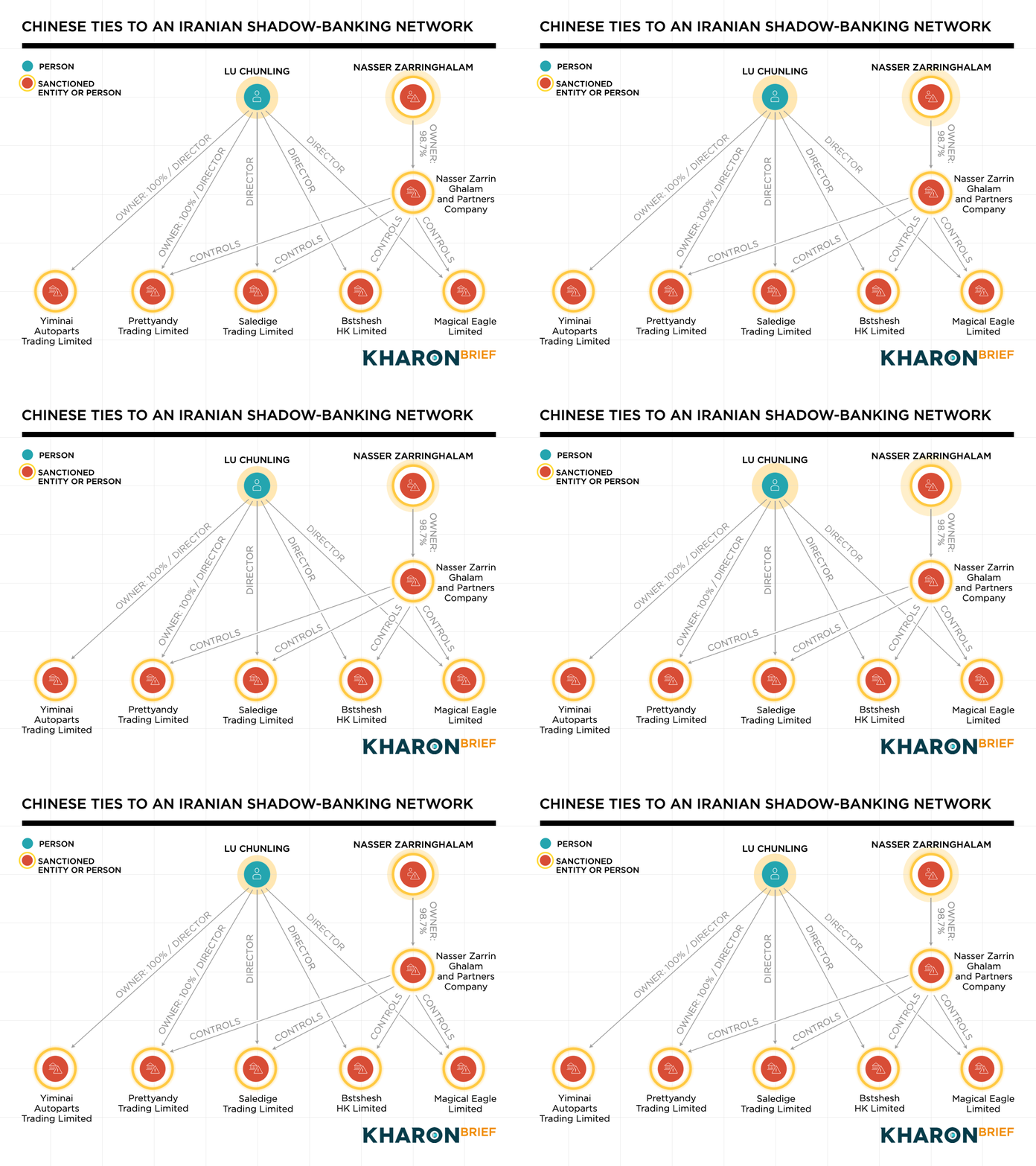
Shell companies in China and Hong Kong act as intermediaries, recording the transactions and concealing the origin of the oil.
The research shows that China has created a “sanctions circumvention economy”.
This system would not exist if strategic decisions between Beijing and Tehran did not allow it to operate, from oil trade to financing.
Price surge
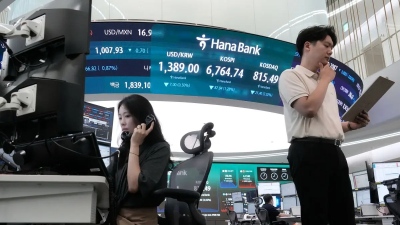
Brent closed above 100 dollars per barrel for the second consecutive session, finishing the day at the highest level of the past more than three years, as the conflict in the Middle East continues and global leaders struggle to resolve the largest disruption in the history of the oil market.
The global benchmark for oil rose and was formed at 103.14 dollars per barrel, while US crude contracts closed near 99 dollars per barrel, at the highest level since July 2022.
Analysts and traders report that if Brent remains above the significant psychological level of 100 dollars per barrel, it could increase pressure on US President Donald Trump to end the war with Iran, as energy costs soar.
Already, the higher cost of oil has begun to be passed on to consumers around the world, with prices for products such as motor fuels and cooking gas rising significantly.
www.bankingnews.gr







Σχόλια αναγνωστών