

The reduction of American fuel stockpiles exposes Donald Trump to significant political and economic risk.
US fuel markets are flashing powerful warning signals as inventories of crude oil, gasoline, and diesel record sharp and continuous declines. US President Donald Trump has repeatedly claimed that gasoline prices will "drop like a stone" following the conclusion of the conflict with Iran; however, market data paints a different picture. The ongoing reduction of stockpiles in the US reinforces concerns that fuel prices will remain high, while the impact is not limited merely to the cost of fuel for consumers.
Crisis in the global oil market
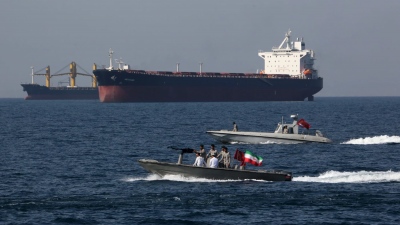
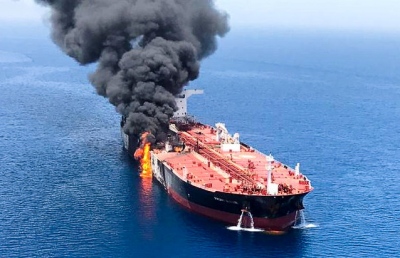
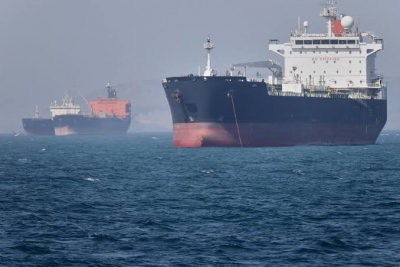
The global energy market has taken a severe hit following the disruption of transit through the Strait of Hormuz, when, according to the report, the region was effectively blockaded after the commencement of hostilities on February 28. Approximately 13 million barrels per day, or nearly 13% of global supply, were affected. This development triggered tremors in the global economy, forcing countries toward energy saving measures, driving refineries to cut production, and compelling airlines to cancel thousands of flights. The price of Brent has surged over 40% since the start of the conflict, exceeding $100 per barrel, but in the actual fuel market, the pressures appear even more intense.
Explosive diesel prices and refinery pressure
In Europe, the price of diesel reached a historic high of $205 per barrel on April 7 and continues to hover around $160, roughly 60% higher than pre-war levels. This pressure has boosted refinery activity globally, with the US—and specifically the Gulf region—serving as a key export hub. According to data from the Energy Information Administration, American refineries have increased aviation fuel production by 18% since the start of the conflict, while production of gasoline and diesel has risen by over 2%.
Export records and pressure on domestic inventories
Crude and fuel exports from the US have skyrocketed to historic levels, surpassing 14 million barrels per day in the week ending April 24. While this flow has helped meet international demand, it has simultaneously led to a rapid depletion of domestic inventories. Diesel stockpiles in the US are at their lowest levels since 2005 and approximately 20% below the ten-year average, according to EIA data.
Critical outlook for diesel, aviation fuel, and gasoline
The situation is considered particularly critical ahead of the winter season, as the reduction of stockpiles continues at a rapid pace. Aviation fuel production is approximately 30% above the ten-year average; however, exports have increased significantly, limiting available reserves. In the gasoline market, which represents the largest category of fuel consumption in the US, the situation is equally pressing. Imports to the East Coast have nearly been cut in half compared to last year due to a global supply shortage. As a result, gasoline inventories in the US are declining at the fastest rate in years.
Rising fuel prices and political pressure
Retail prices in the US have already reached $4.30 per gallon, more than 40% higher on an annual basis. This development creates political pressure on Donald Trump ahead of the midterm elections in November, as the rising cost of fuel directly impacts households. Analysts estimate that as demand increases during the summer period and inventories remain low, prices are likely to continue their upward trajectory.
Potential interventions and geopolitical consequences
A possible government response could be the restriction of fuel exports; however, such a move could lead to a new surge in international prices and damage the credibility of the US as a stable energy supplier. Furthermore, such a policy could reduce refinery profit margins and worsen shortages both domestically and internationally.
Political chaos until 2028
In the meantime, Republicans risk losing their majority in the House of Representatives in the autumn midterm elections, according to American billionaire and Bridgewater hedge fund founder Ray Dalio, speaking on a New York Times podcast. According to the investor, losing control of the lower house will lead to increased political and social conflict in the United States until the 2028 presidential elections. Dalio linked the upcoming unrest to the budget deficit, the widening wealth gap, and political divisions. The billionaire warned of a potential economic crisis that would restrict US spending on both military and social needs. He expects interest rates to rise due to supply and demand imbalances and the activation of the printing press by central banks, creating a stagflationary environment. Political scientist Malek Dudakov previously stated that a Democratic victory in the upcoming US midterm elections would pose a serious threat to President Donald Trump. The expert believes the opposition will secure a majority in both houses of Congress. This would strip Trump of the ability to ratify loyal judges and cabinet members and would also block his legislative initiatives. "It is likely we will see an impeachment attempt in 2027," he noted.
www.bankingnews.gr






Σχόλια αναγνωστών