

The US administration continues to send incoherent messages in an apparent state of panic
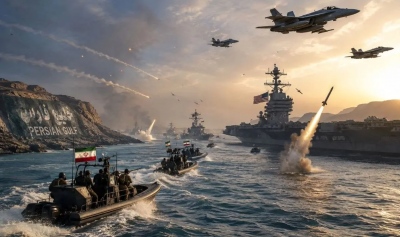
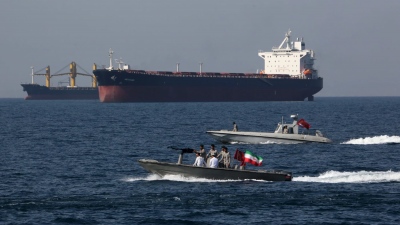
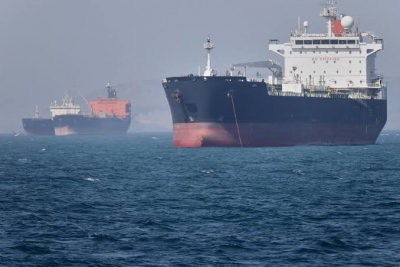
With an aggressive post, Donald Trump set the tone for the new tension in the Persian Gulf, revealing that three American destroyers came under attack while transiting the Strait of Hormuz. "Three world-class American destroyers successfully transited the Strait of Hormuz under fire. There were no damages to the ships, but significant losses for the Iranian attackers," he stated, later adding to reporters: "They tested us today. We crushed them." Despite the tough rhetoric, he maintained that the ceasefire is still in effect, even as the American president appears to be in a frenzy.
A few hours earlier, he had claimed that yesterday’s (May 7, 2026) hours-long military clash east of Hormuz, involving a fierce exchange of fire, was merely a "friendly strike" and that the ceasefire remains in force. The Iranians, for their part, accused the US of violating the cessation of hostilities and warned that they would send them "to the bottom of the Persian Gulf." Analysts argue this is a case of "controlled escalation" as both Washington and Tehran attempt to demonstrate their resolve and strength to impose their terms at the negotiating table. However, it is becoming clear that Trump has already been defeated and humiliated.
Waiting for Tehran's response
The new escalation occurs while Washington awaits Tehran’s response to a proposal to end the war, which began on February 28 with US and Israeli airstrikes against Iran. Marco Rubio stated that the American side expects immediate developments, highlighting that Iran's response is anticipated within the day. "We should know something today... we are waiting for a response from them," he declared from Rome, where he was visiting the Pope. "We will see what the response includes. The hope is that it will pave the way for a serious negotiation process."
However, Rubio warned Iran that if it threatens American ships, it "will be completely destroyed." His remarks follow incidents where American destroyers "came under fire" while transiting international waters. "If you launch a drone or a missile against a destroyer, what should we do? We must respond. We must shoot down the missile and neutralize whatever launched it," he told reporters.
No pressure
However, Iranian Foreign Minister Abbas Araghchi stated today, May 8, 2026, that the Iranians "never succumb to pressure," adding that the country's readiness to defend its people stands at "1000%." "Every time a diplomatic solution is on the table, the US chooses a reckless military adventure. Is this a crude pressure tactic? Or the result of someone once again misleading the POTUS and leading him into another dead end?" Araghchi wrote on the X platform. Additionally, the Iranian Foreign Minister dismissed CIA estimates regarding the country's missile capabilities, claiming they stand at 120% compared to February 28, rather than the 75% reported.
Tehran's accusations
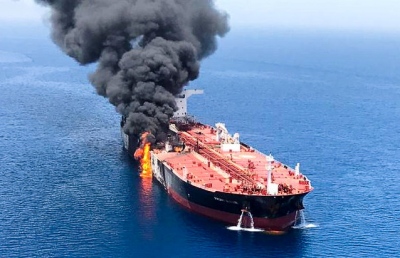
Furthermore, the country's supreme military command claimed that US forces struck an Iranian oil tanker and another vessel, while conducting airstrikes on residential areas on Qeshm Island and coastal zones near the Strait of Hormuz. According to the same announcement, Iranian forces responded by attacking American warships in the area, citing "significant damage"—a claim denied by U.S. Central Command.
Signs of de-escalation
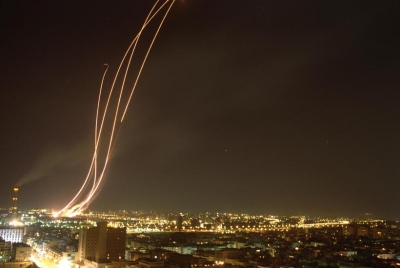
Despite the tension, Iranian state media later broadcasted that the situation had stabilized. Press TV reported that "the situation on the islands and coastal cities of the Strait of Hormuz has returned to normalcy" after hours of exchanging fire. However, the incidents were not limited to the maritime area. The United Arab Emirates announced they activated their air defenses to counter threats from missiles and drones of Iranian origin.
The ceasefire remains
Neither side has yet officially announced the collapse of the ceasefire. The Americans maintain that the ceasefire is still in effect, while the Iranians accuse Israel and the US of violating it. The Iranian Foreign Ministry spokesperson stated that Tehran is still considering the American proposal. There were reports that Iran's response was expected to be sent yesterday, Thursday 7/5, to Pakistani mediators. This has not been officially confirmed, as Iranian officials insist the proposal is still under evaluation. Thus, despite the intense confrontation and military clashes, diplomatic efforts and mediations appear to continue, with both sides remaining interested in diplomatic engagement. Following Iran's response, the situation is expected to clear up significantly. So far, despite the cautious optimism expressed by some, Iranian officials characterize several American demands as irrational, unrealistic, and maximalist, emphasizing a massive gap between the two sides' positions.
Diplomacy under pressure
Despite the tension, Trump insisted that negotiations are ongoing. The American proposal to end the conflict does not cover key issues, such as the suspension of Iran's nuclear program and the full reopening of the Strait of Hormuz. He claimed that Tehran has accepted that it cannot acquire nuclear weapons, leaving the possibility of an agreement open, though without a clear timetable.
Internal pressures and fragile balance
The conflict is creating pressure within the US, as increased fuel prices hit consumers, while in Iran, security measures are intensifying with arrests and prosecutions for espionage. Despite statements regarding a ceasefire, the situation remains fragile, with tension held at high levels and the next moves considered decisive for the course of the crisis.
Far from the goals
Rarely does a war achieve all its objectives. However, it is striking how maximalist Trump's goals were from the outset—and how quickly his administration appears to be abandoning several of them. In some cases, American officials seemed to cease efforts almost immediately. At least some of the hardliners against Iran appear to realize now that the outcome may be far from what they expected.
The question to Hegseth
In a Pentagon briefing on Tuesday, a journalist who had previously praised the Department of Defense and the war effort pressed Secretary of Defense Pete Hegseth to explain why neither regime change nor Iran's unconditional surrender had been achieved. "What happened to that commitment to the Iranians?" the journalist asked. "And when did the president decide to abandon the demand for unconditional surrender?"
Hegseth argued that Trump did not back down and left open the possibility that the Iranian people might overthrow their government at some point in the future if they so desire. He then added that the main goal remains to ensure that any deal with Iran will include a provision so the country "never acquires a nuclear weapon." As he said, Trump "remained committed to this and the talks revolve around this goal." Just a few days later, however, it seems even this "never" may no longer apply.
www.bankingnews.gr



Σχόλια αναγνωστών