The situation around the Ukrainian issue remains tense and extremely complex, due to the responsibility of Europeans and the Kyiv regime, which insist by every means on the continuation of war and bloodshed.
Recently, however, Russia and the United States appear to be preparing for a series of contacts aimed at promoting a solution to the Ukrainian crisis.
At the heart of these negotiations lies Russia’s strategic position, as Moscow seeks to advance its own priorities while at the same time confronting the political and military challenges posed by Kyiv and its Western allies.
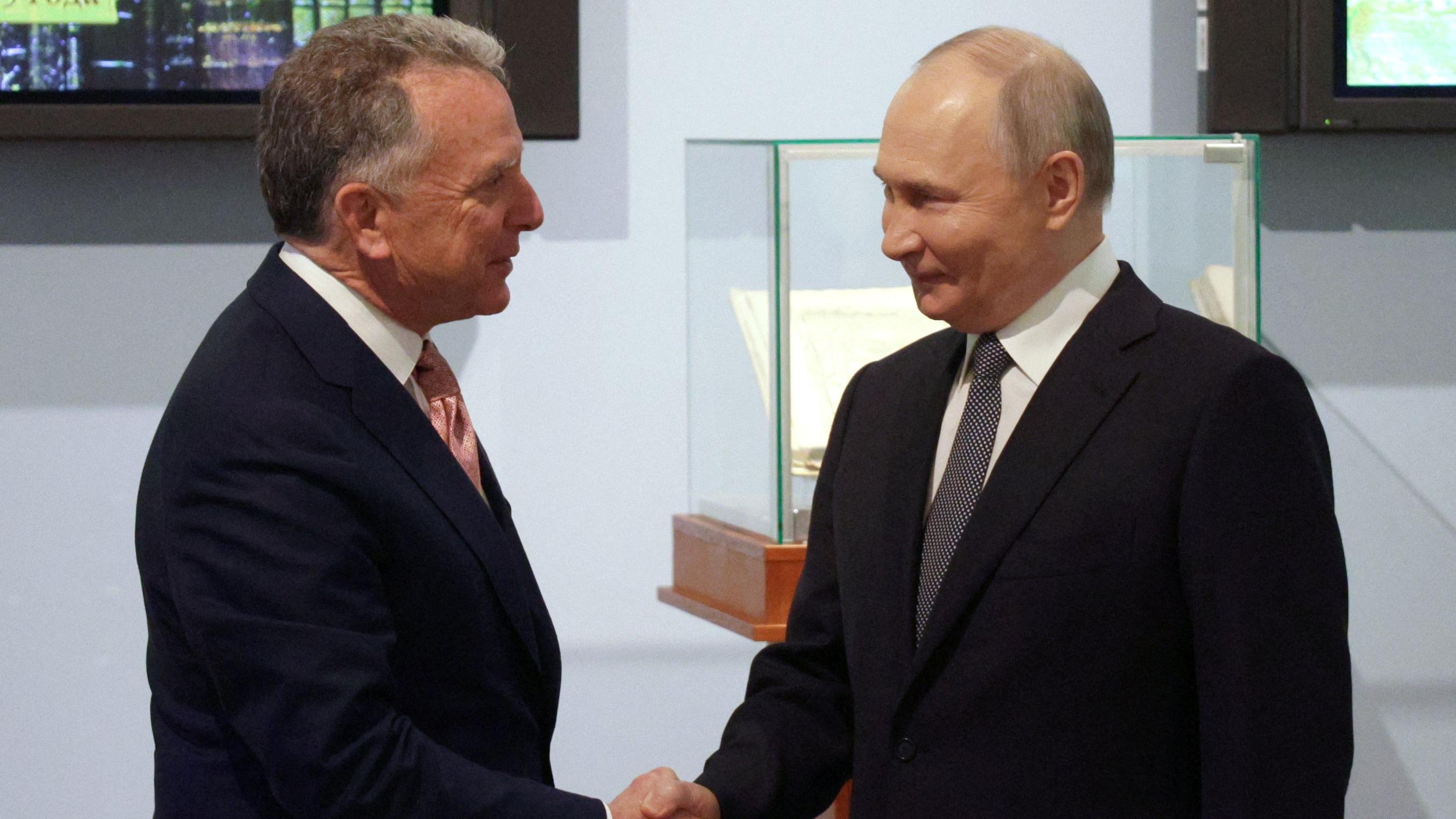
Russia’s negotiating strategy
Russia appears to be intensifying its diplomatic efforts to resolve the conflict in Ukraine through so-called “shuttle diplomacy,” with the main objective of learning the outcomes of the talks between Kyiv and Europe.
Kirill Dmitriev, special representative of the Russian president for investments and economic cooperation with foreign countries, is expected to travel to the United States, specifically Miami, later this week (20–21/12) for talks with the American side, in order to gain reliable access to information regarding negotiations on Ukraine.
These talks indicate that Russia is approaching the issue with a strategy focused on finding solutions through dialogue and diplomacy, while maintaining clear positions on defending its historical interests.
According to Kremlin spokesperson Dmitry Peskov, Russia is preparing for “certain contacts” with American partners in order to learn the results of discussions held with Ukrainians and Europeans.
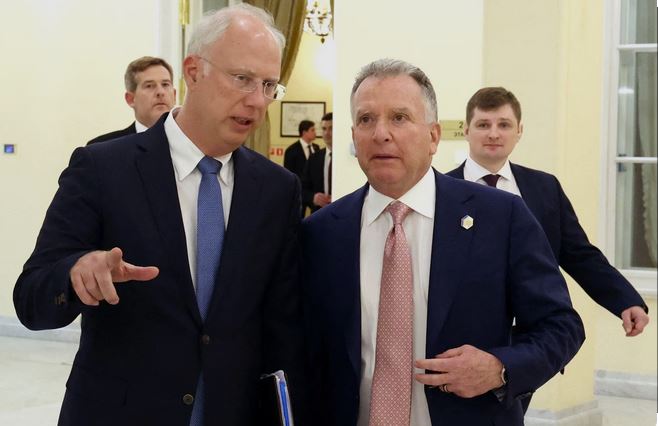
The Miami talks on 20–21/12
According to information from the American and Western side, the goal of the meeting in the United States between Dmitriev and Steve Witkoff, the US special envoy, is to discuss the latest developments surrounding a peace agreement for Ukraine and to explore possible adjustments needed to the existing framework.
Moscow is expected to propose certain arrangements or improvements to the current peace settlement plan, as noted by Russian MP Alexei Chepa.
In practice, Russian negotiators appear eager to ensure that any agreement reflects Moscow’s interests in the region, including security guarantees for Russia itself and recognition of Russian interests in Ukraine and Europe.
These contacts seem aimed at finding a viable agreement that would incorporate Russian demands, particularly regarding security and the political situation in Ukraine.
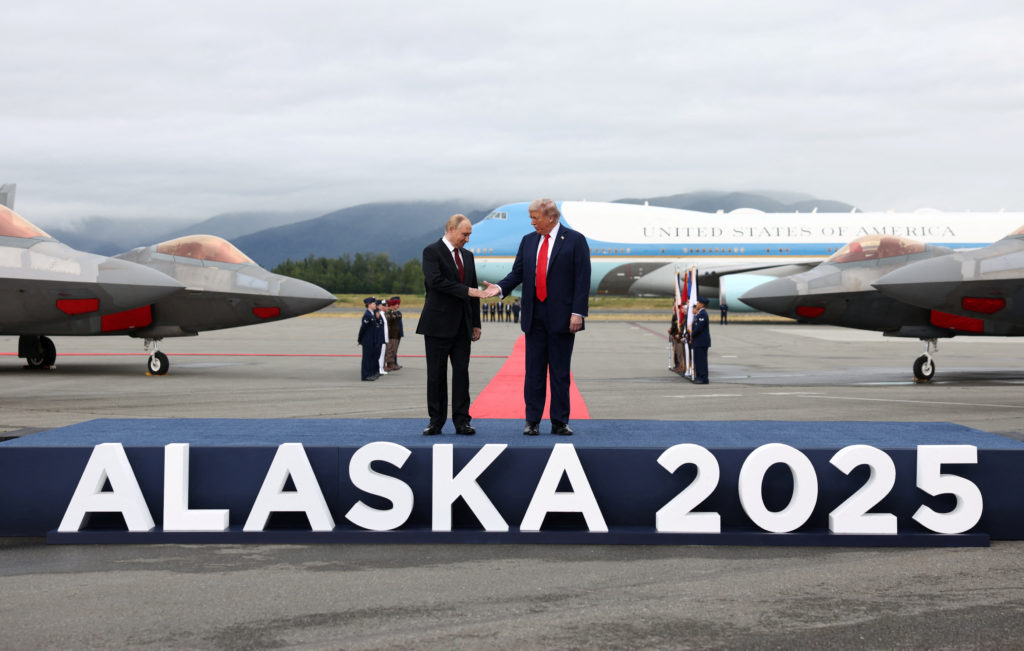
The clear objective of Vladimir Putin
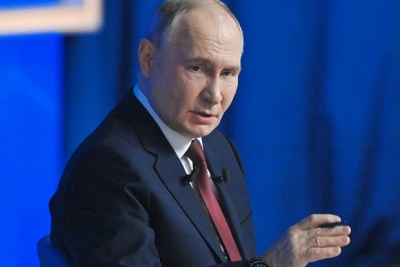
Vladimir Putin has repeatedly made it clear that if Ukraine refuses the possibility of talks or continues to reject “substantive negotiations,” Russia will proceed with military actions to restore its “historical territories.”
This latest statement by the Russian president reinforces the image of a Russia determined to achieve its objectives through military force if negotiations fail to deliver the desired results.
The statement reiterates Russia’s position on a “peaceful” settlement, one that nevertheless presupposes agreement by the opposing side with Russian demands.
If Ukraine rejects dialogue or fails to pursue a peace agreement, Russia will continue its strategy of reclaiming territories it considers historically its own.
Reactions from Ukraine and the West
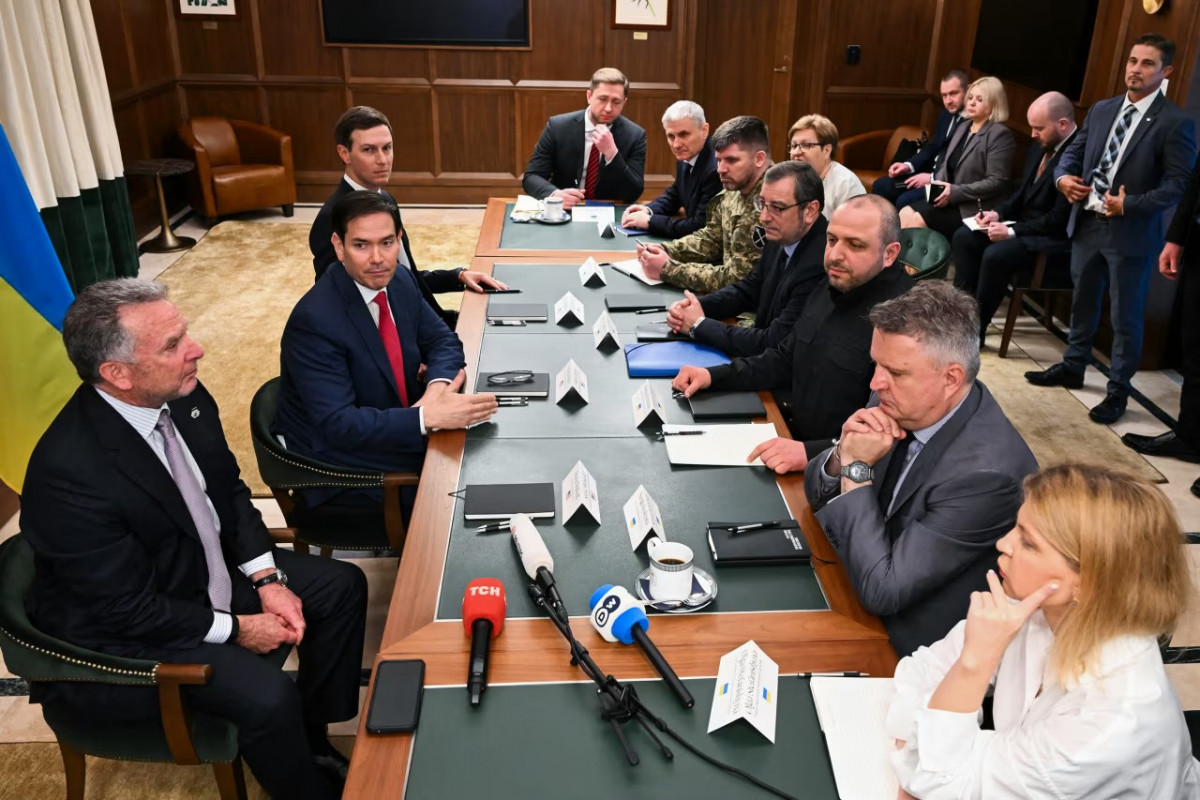
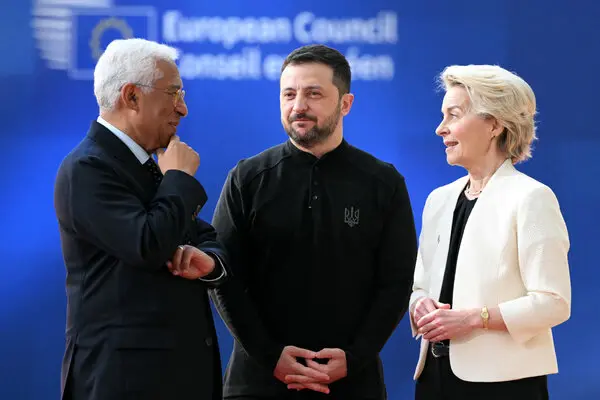
From Ukraine’s side, President Volodymyr Zelensky has stated that the “signals” from Putin are not new for Ukraine.
According to Zelensky, the essence of the conflict remains that Russia does not wish to end the war, while the outcome largely depends on Western pressure and sanctions.
The West, and particularly the EU, continues to pressure Ukraine to keep fighting, hoping that increased military aid and diplomatic pressure will force Russia to retreat.
However, Ukraine’s leadership understands that without US support, the continuation of the war would be far more difficult and risky.
Therefore, Ukraine seeks to remain closely aligned with the West while simultaneously trying to maintain leverage in negotiations for a future agreement.
Russia is clearly entering this round of negotiations with the primary goal of defending its interests and finding a peace solution that allows it to maintain its influence in the region.
Recent developments, Putin’s statements and the upcoming talks with the United States show that Russia is determined to achieve its objectives, either through diplomacy or military action.
On the other hand, Ukraine and its Western allies remain cautious about any agreement that could undermine Kyiv’s sovereignty and strengthen Russia’s position in the region.
The future of the conflict will largely depend on developments in international negotiations, as well as on the ability of major powers to find a mutually acceptable solution for stability and security in the region.
Russian assets and economic cooperation
Beyond Ukraine, the upcoming negotiations between Russia and the United States in Miami will also address major issues of international politics and economics, such as frozen Russian assets and economic cooperation between the two countries.
Russia and the United States have been in confrontation for a long time, with Western sanctions imposed on Moscow severely affecting its economy.
These sanctions include restrictions in the energy sector, the financial system and banking, while many Russian companies and individuals have had their assets blocked abroad.
This economic pressure has created tensions between the two countries, as Russia views the sanctions as an unfair tool of pressure that limits its ability to develop its economy and strengthen strategic alliances.
At the upcoming Miami meeting, in addition to Ukraine, Russia is expected to raise the issue of releasing Russian funds that have been seized or frozen by the West as part of sanctions.
This discussion is expected to have broader implications for the global economy, as Russia seeks ways to recover part of its assets.
In the same direction, Russia may request the easing or complete lifting of some sanctions, in order to facilitate economic cooperation and trade relations with the United States and other Western countries.
Although the issue of sanctions and Russian assets is extremely sensitive, Russia aims to pursue negotiations that could lead to a gradual restoration of economic cooperation with the West.

Unprecedented US pressure on Europe to avoid seizure of Russian funds
In an effort to prevent the seizure of Russian assets, the United States is exerting unusual pressure on the European Union, despite the legal and economic consequences that could arise from such a policy.
According to information published by Politico, the US is applying “unprecedented pressure” on the EU to prevent any potential confiscation of Russian assets, a move that has sparked intense disputes within the bloc.
Sources say that while European countries initially believed the seizure process had stalled due to Belgium’s resistance, the main obstacle now is the influence of the US administration, particularly during the presidency of Donald Trump.
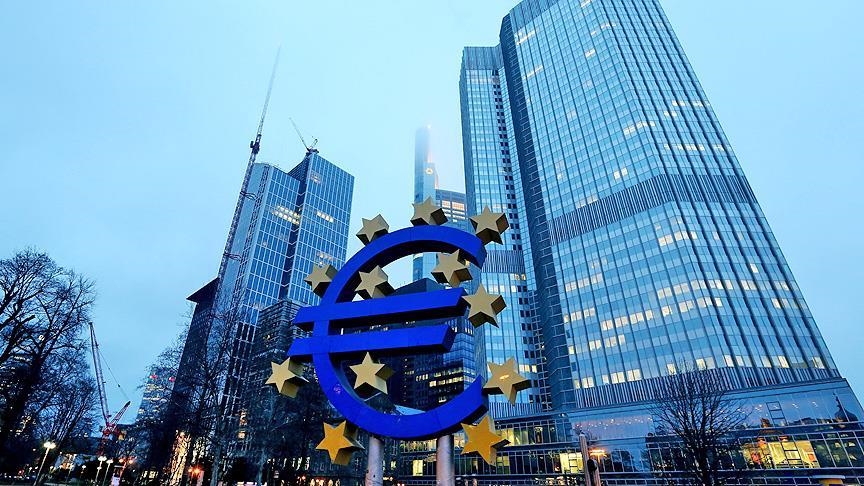
EU approval of the freezing of Russian assets has put the liquidity of major European financial structures at risk.
Financial institutions such as rating agency Fitch have warned of possible downgrades of European depositories like Euroclear if uncertainty over the seizure of Russian assets continues.
This issue and the related American pressure will certainly be discussed at the Miami summit.
Prospects for a new economic strategy
The Miami meeting offers a unique opportunity to reassess the political and economic strategies of both countries, based on developments in 2025 and changes in the global economy.
Russia has turned its attention to finding new markets and partnerships with non-Western countries, primarily China, India and other nations in Asia and the Middle East.
However, the prospect of restoring economic cooperation with the United States and European countries remains strategically important for Russia, as Western markets are still critical for the development of key sectors such as technology, financial services and investment.
Discussions are expected on financial system integration, support for Russian technology and the promotion of bilateral investments.
Russia could seek to create mechanisms that reduce economic barriers and facilitate cooperation with the United States in areas such as energy and technology, especially in an environment increasingly shaped by environmental and energy transition demands.
www.bankingnews.gr







Σχόλια αναγνωστών