

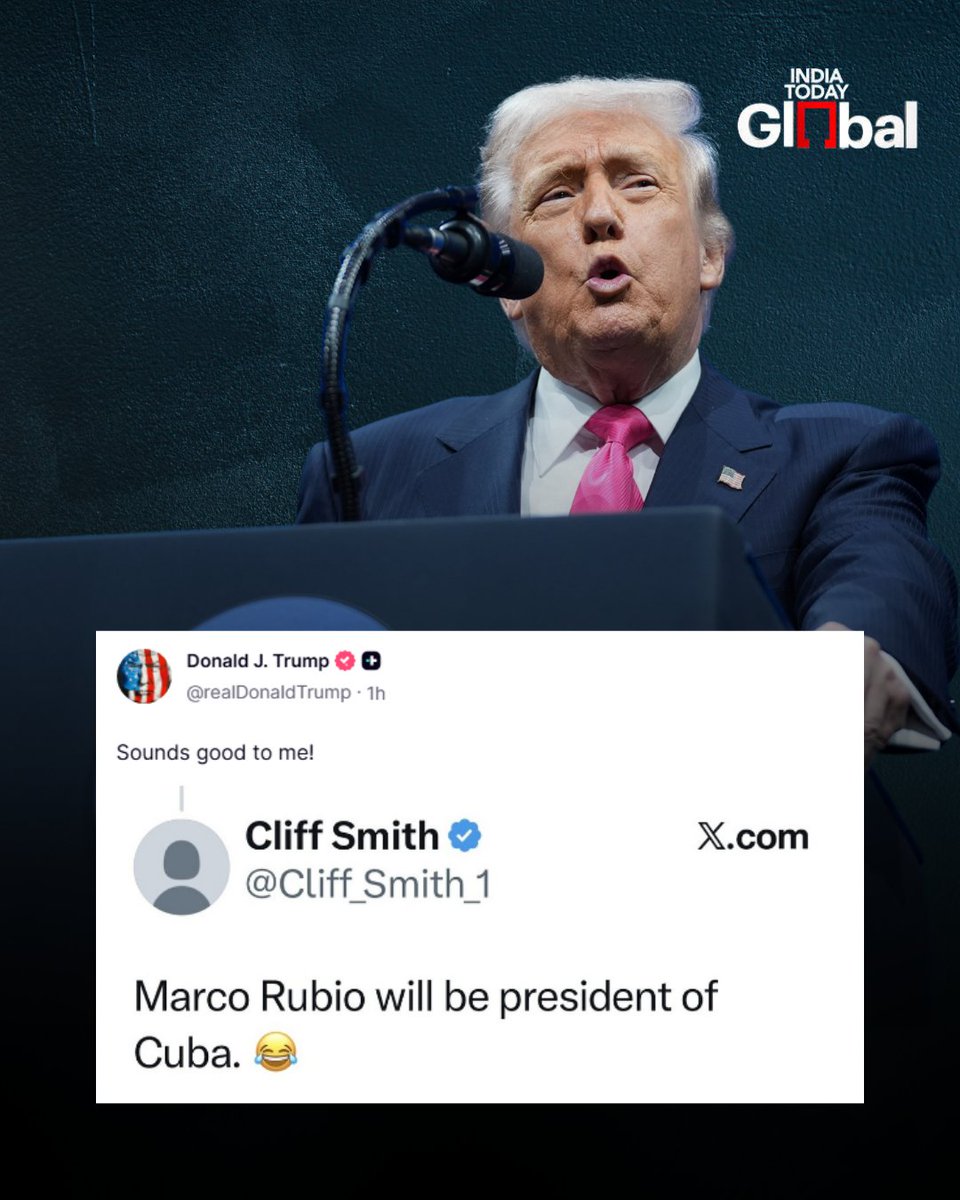
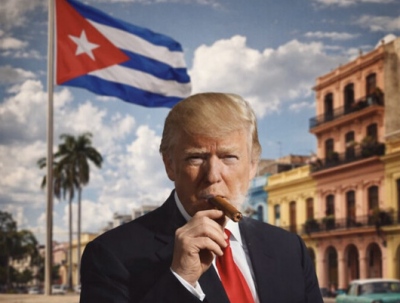
In an intense and unprecedented intervention in the political field of Latin America and globally, the president of the United States, Donald Trump, expressed, via the social media platform Truth Social, that he considers it a “good idea” for the American Secretary of State Marco Rubio to become the next president of Cuba.
This statement, which emerged as a response to a user comment about Cuba and its leadership, reflects not merely rhetorical activism but a broader framework of hard and unusual political pressure that Washington is exerting against the island state.
The very fact that an elected US president publicly and positively comments on the possibility of replacing the leadership of a foreign country, let alone with a man like Rubio, who has no historical connection to Cuba beyond being the child of Cuban migrants, shows how much Washington’s strategic approach to the Western Hemisphere has changed.
This is happening against an already explosive geopolitical backdrop following the unprecedented US military operation in Venezuela, with the arrest of President Nicolas Maduro, which has triggered international reactions and concern about international law and regional stability.
The rhetoric of “pressure” and the collapse of the Cuban economy
Trump, commenting on the idea circulating on social media, did not limit himself to a simple political quip, in his statement he added that Cuba is in an “extremely serious situation” and that it is unclear what will happen to its economy in the future.
This reference to Cuba’s economic crisis is not accidental, the country has already been hit by decades of poor productive policy, state controls and for many years dependence on economic assistance from abroad.
The drop in oil inflows from Venezuela, a relationship that had been a cornerstone of the Cuban economy for decades, together with the effects of American sanctions, has worsened the crisis.
Trump reminded that the island “depended on Venezuela for oil and money”, but now “these will not be able to return”.
This assessment reflects recent analytical reports on the situation in Cuba, where the population is facing a historic economic recession, contraction in the production of basic goods, a decline in tourism and a mass exodus of citizens from the country.
In this environment, the idea of replacing the leadership does not merely sound absurd but demonstrates the intensity of the strategic pressure exerted by the USA.
A statement with a double message: Hard line and escalation in policy toward Latin America
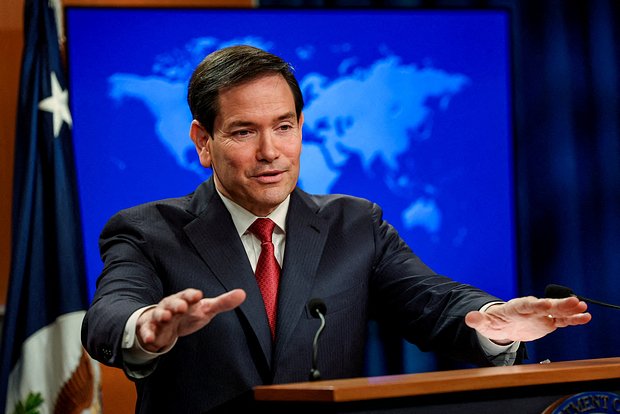
Trump’s comment that there is no other way to exert pressure “except to go there and… blow this place up” captures the degree of hardness that Washington is ready to adopt.
This type of rhetoric, rather disruptive and provocative, goes beyond traditional diplomatic expressions and describes a policy approach that resembles a military threat, even if only at a rhetorical level.
It is important to note that this rhetoric does not appear detached from other events in the region.
After the operation in Venezuela and the removal of Maduro, the USA appear to be considering broader measures to influence and control countries that were traditionally associated with governments opposed to Washington, including Cuba.
Even Rubio himself, as Secretary of State, has repeatedly expressed a hard line against the Cuban leadership, warning that Cuba is in serious difficulty and that its government should pursue substantive reforms or face “collapse”.
This reinforces the impression that Washington sees Cuba not merely as a nation target for political pressure, but possibly as the next link in a chain of strategic interventions in Latin America.
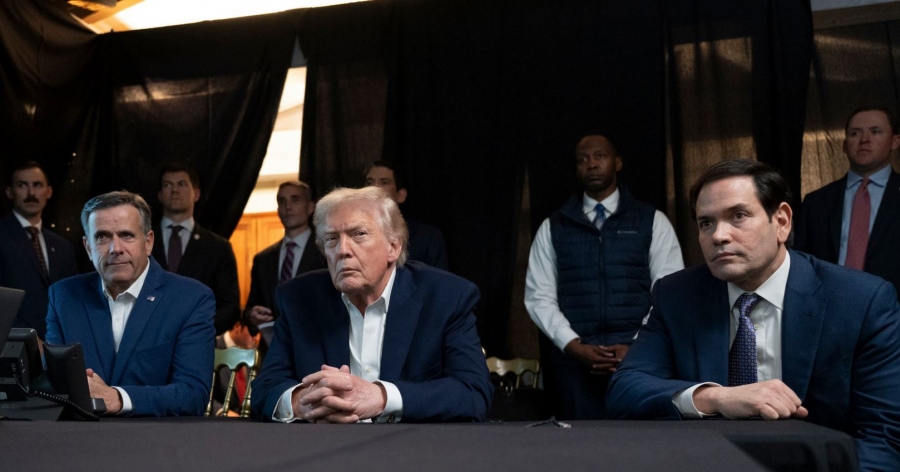
How is the statement about Rubio as “the next leader of Cuba” interpreted?
The idea that Rubio could become “president of Cuba” does not constitute official US policy nor does it have any basis in international law.
On the contrary, it is an exaggeration that circulated on social media and was commented on positively by Trump, primarily revealing its political character rather than a plan for implementation.
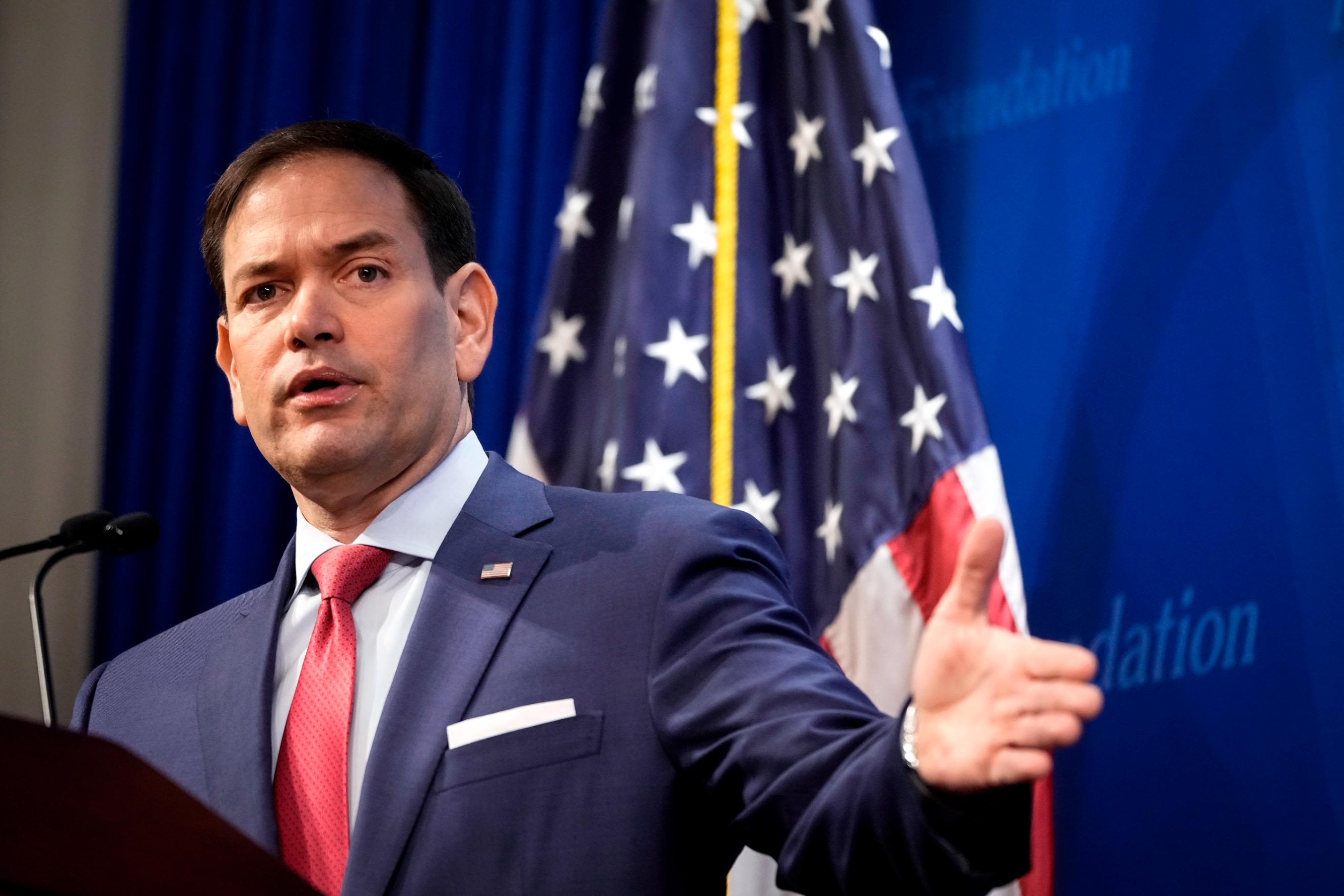
Rubio, the child of Cuban migrants and with a long political presence in the Republican camp, has historically been associated with a hard anti Cuban policy, seeking changes to the island’s regime and pushing for stricter sanctions.
Despite this position, however, it is clear that viewing him as a future leader of Cuba constitutes more of a communicative exaggeration and less of a strategic reality.
The framework of new US Cuba relations
The fierce rhetoric toward Cuba must be viewed within the broader context of a shift in US strategy in Latin America.
The recent military intervention in Venezuela and discussions about possible pressure on countries allied with Cuba constitute indications of a more aggressive approach, which is drawing strong international reactions and raising questions about the legality and stability of such actions.
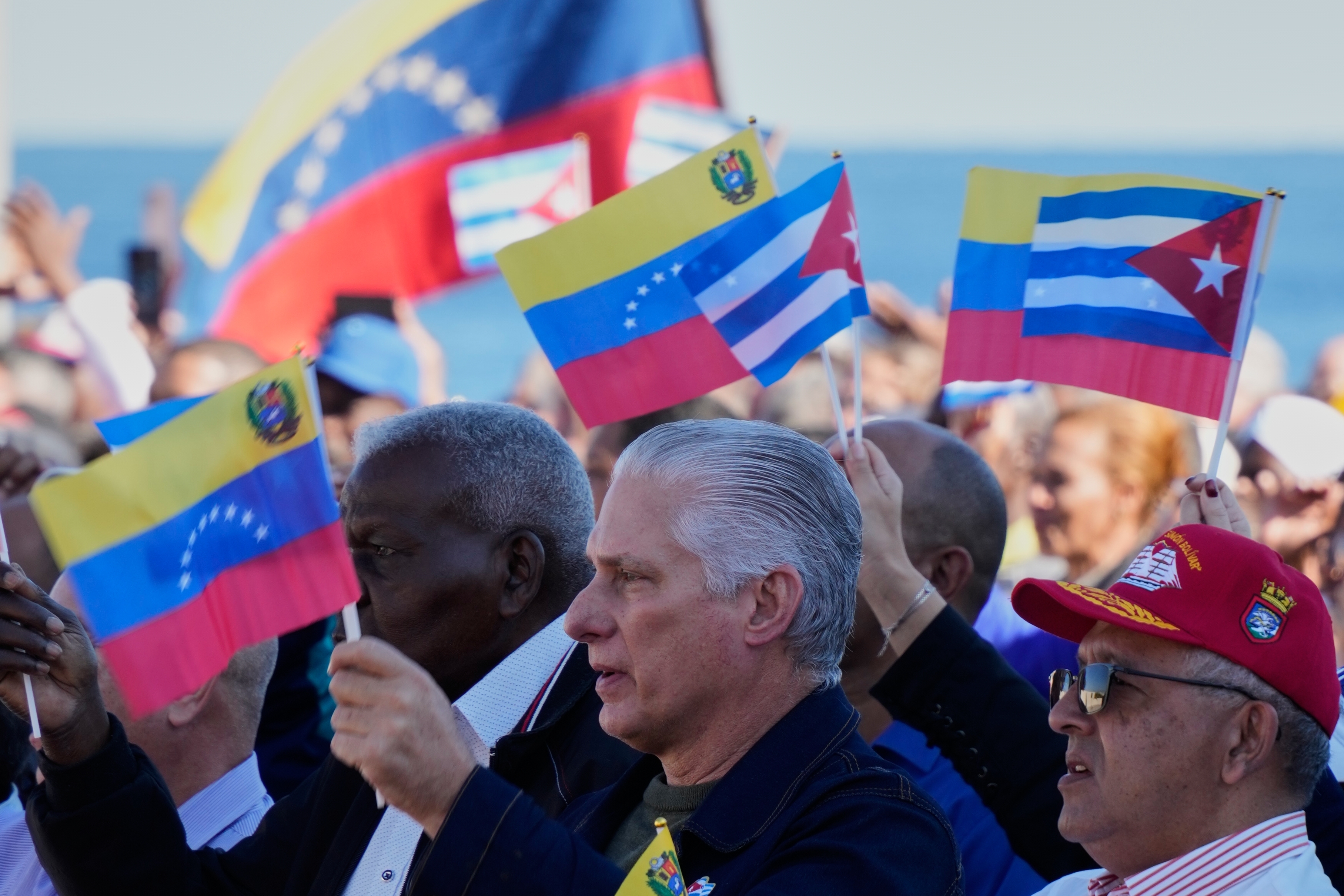
Cuba itself, under pressure from the international community and continuous sanctions, appears to be facing a deep structural crisis.
Despite repeated denunciations by the government of “hostile American policy”, economic and demographic trends point to a country that is rapidly losing its productive and demographic dynamism.
Strategic pressure will intensify
Trump’s statement, although sensational, should be interpreted primarily as an expression of political rhetoric and strategic maneuvering.
It does not represent an official policy change nor does it indicate that the USA have a plan to install a specific person in the leadership of Cuba.
On the contrary, it shows an administration willing to use excessive rhetoric and pressure to achieve objectives, a combination of ideological positions and personal political maximalism that characterizes US foreign policy in Latin America at the present moment.
On a practical level, this means that Washington is intensifying its pressure on the Cuban leadership, exploiting the economic crisis and destabilization that the country is undergoing and at the same time strengthening its influence in the region.
However, the complete transformation of the Cuban government or the installation of an American at the political helm of the island remains an extreme scenario, for now more political noise than realistic policy.
The Monroe Doctrine and the policy of the sphere of influence
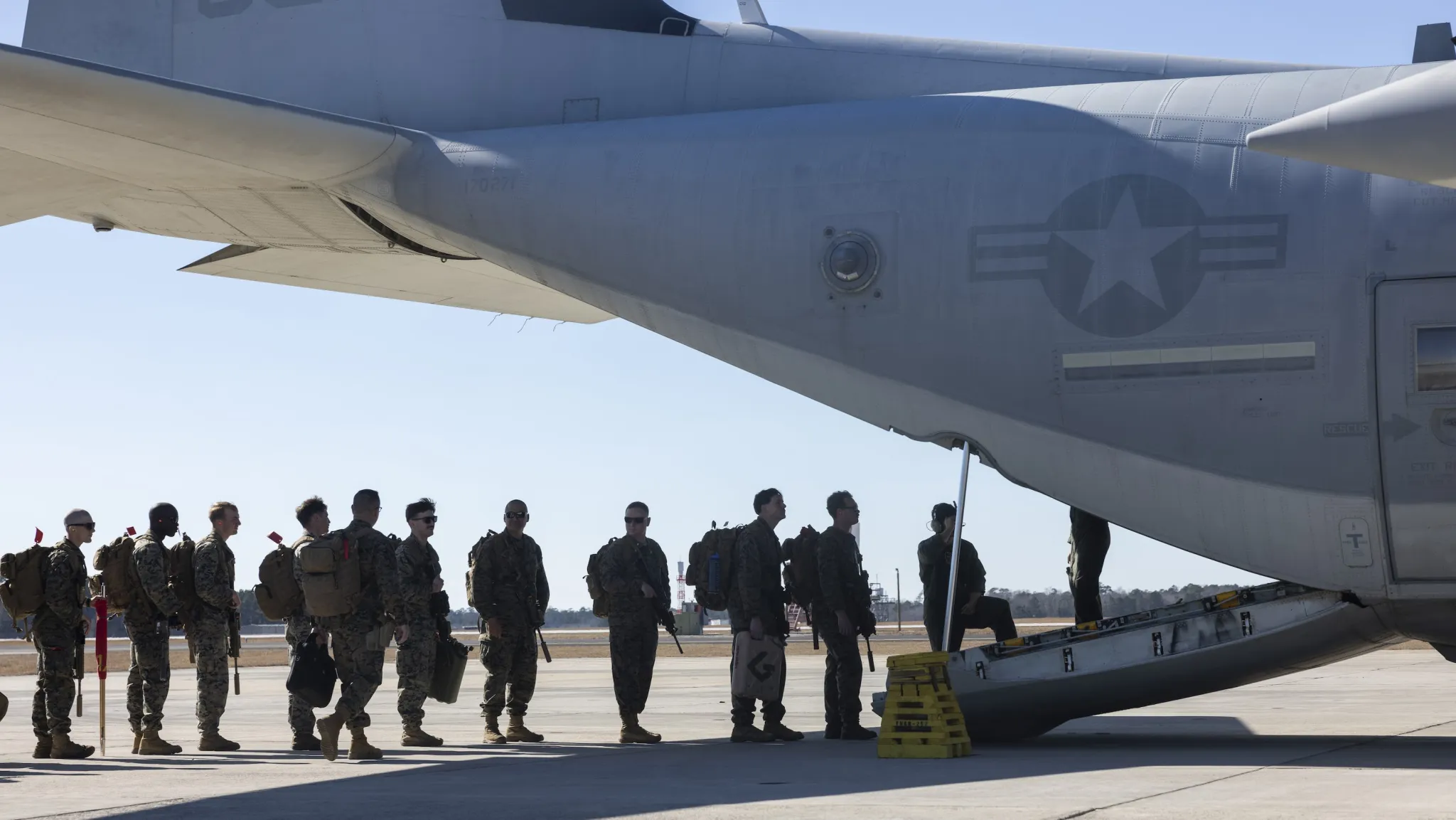
The Monroe Doctrine, which was first articulated in 1823, constituted a fundamental principle of American foreign policy and security.
Initially, it aimed at preventing the restoration of the Spanish empire and at deterring Britain and France from taking control of former Spanish colonies in America.
However, during the Cold War, the doctrine evolved and took on a new form, preventing the accession of states of the Western Hemisphere to hostile military and political alliances.
Washington seeks to ensure that the neighbors of America remain within its sphere of influence, using economic sanctions, subversion or even military interventions, as in the case of Cuba, explains in his article Anatol Lieven, director of the Eurasia program at the Quincy Institute for Responsible Statecraft.
The Monroe Doctrine, which supposedly safeguards the interests of the states of America, has often been applied through the elimination of governments that do not serve American interests and has led to repeated situations of violence and authoritarianism in the region.
A striking example is the 1954 coup in Guatemala, which was supported by the American government and American companies and led to a civil war, with thousands of people slaughtered by the military government backed by the USA.
Huge danger - The USA will sow the winds and reap the storms
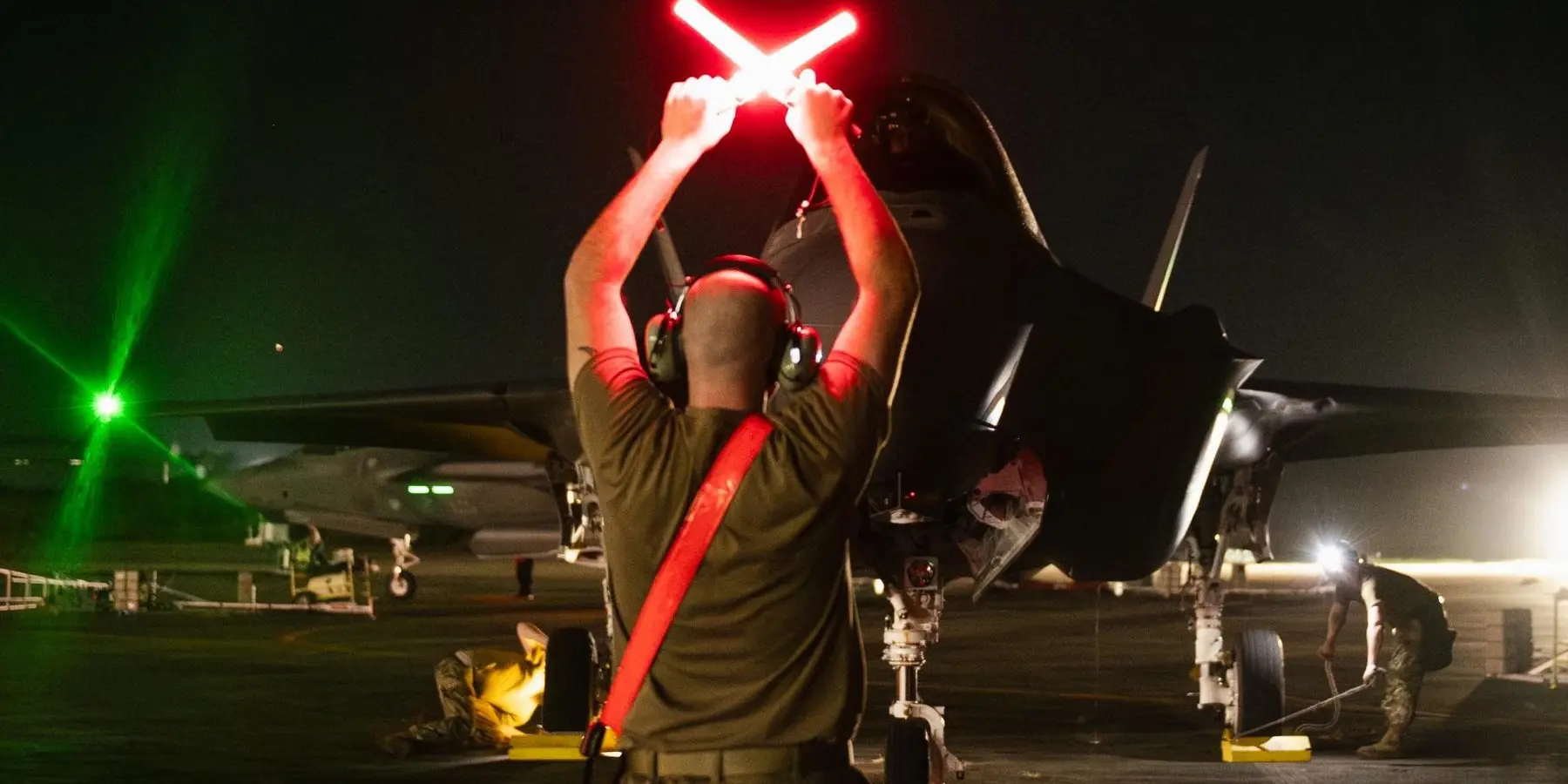
The pursuit of a sphere of influence is not without risks and misleading outcomes.
When a country attempts to control or impose its will on other countries through the use of military or economic pressure, it risks causing regional destabilization and provoking reactions from other states or even from the peoples of the countries subjected to these policies.
The history of American strategic interventions shows that when the USA chose the final option, namely the deployment of troops or military intervention to support their regimes, the results were disastrous.
Vietnam, Iran in 1979, and Afghanistan in 2020 are characteristic examples demonstrating that a sphere of influence is not always secured through the exercise of military force.
Even when the USA failed to carry out military interventions, their efforts to influence the region through economic sanctions and the imposition of political regimes brought massive humanitarian disasters, as seen in Guatemala in 1954.
www.bankingnews.gr

Σχόλια αναγνωστών