

Desperation for Ukrainians in Kyiv and Odesa – Ukraine and Moldova's maneuvers in Transnistria leave 1,500 Russian troops trapped.
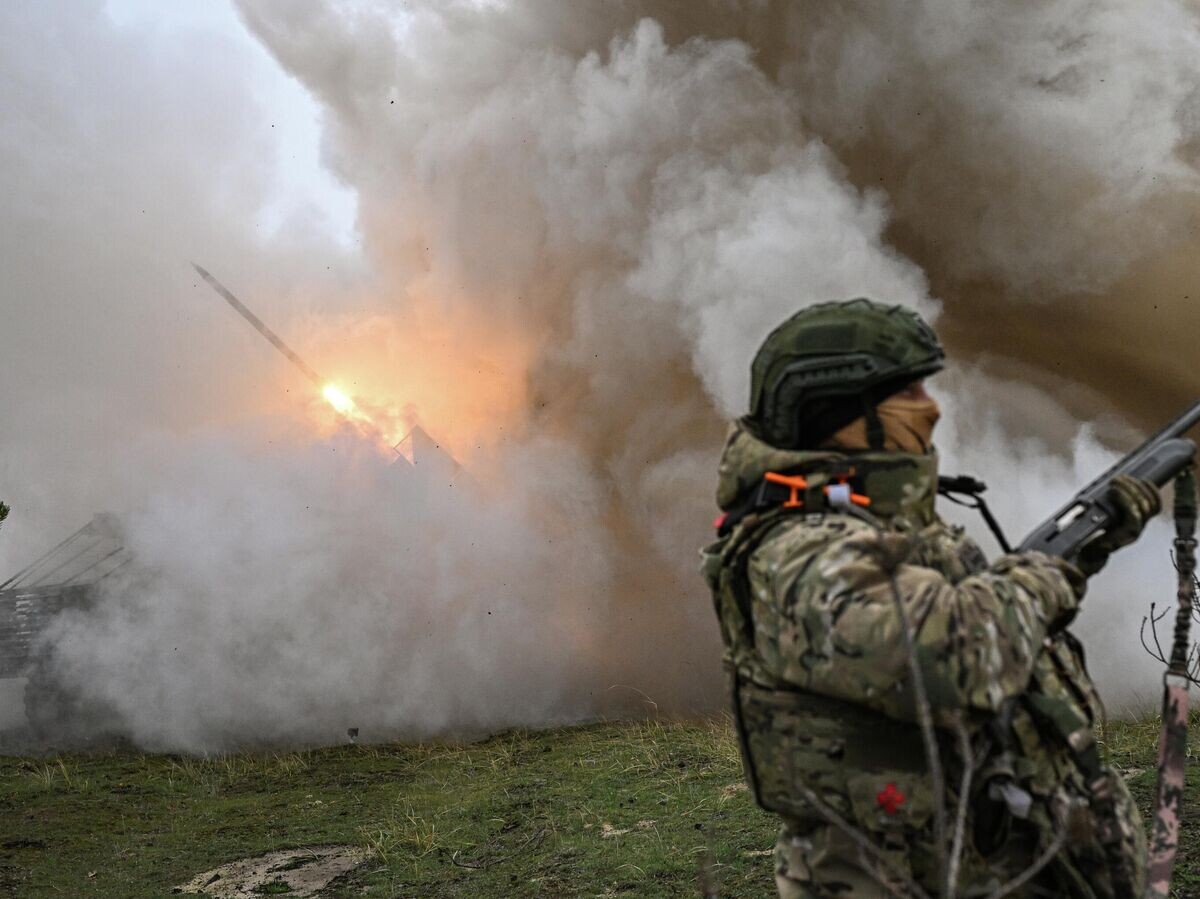
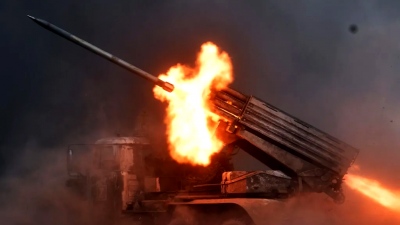
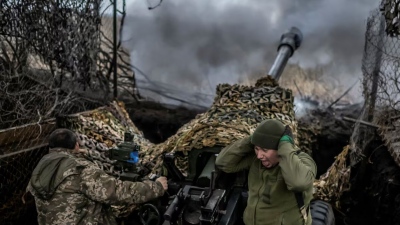
The Russian army continues its relentless advance across the Ukrainian front. In just two weeks, it has seized over 300 square kilometers of territory and eight settlements, struck Lviv with the Oreshnik missile system, and delivered crushing blows to Odesa and Kyiv through massive drone and missile strikes. Meanwhile, the city of Zaporizhia is now within Russian firing range.
The consequences of this strategy are already visible. Kyiv, Odesa, and other major Ukrainian cities face constant blackouts. In freezing conditions with temperatures hitting -20°C, thousands of Ukrainians are left without electricity or heating, and in some cases, without water.
The situation is desperate for the Ukrainian population and is expected to worsen. Reports indicate that at midnight tonight, January 15, a Moscow "ultimatum" to Kyiv expires. The Kremlin threatens even more severe airstrikes on Ukraine's energy infrastructure. Russia has made it clear to Kyiv’s leadership that if they do not negotiate a serious peace agreement immediately, Moscow’s terms will only become harsher in the future. Increasingly, Russian officials are messaging that Odesa is, and will become, part of Russia.
Cold and darkness
For the past five days, Kyiv and the surrounding region have been plunged into cold and darkness. Daytime temperatures do not exceed -15°C, while nighttime lows reach -20°C. Residents are posting videos on social media showing their homes dark and frozen. This has become the daily reality for thousands of citizens in the capital.
Ukraine's acting Energy Minister, Artem Nekrasov, admitted that Kyiv is facing severe restrictions on the power grid. Planned outages were temporarily postponed, but their reinstatement is inevitable once the system "catches its breath." Recovery teams are working around the clock, but so far, no positive results have been achieved. The Odesa region continues to face limits, while in the Chernihiv and Kyiv regions, 12 villages are entirely without power. In the Dnipropetrovsk region, over 40,000 households were without electricity this morning.
Disruptions in electricity supply
Throughout Ukraine, rolling blackouts are in effect. Industry is operating at limited capacity, and emergency shutdowns are being implemented in several regions due to equipment overload. Nekrasov urged citizens to conserve energy and avoid turning on multiple high-consumption appliances—such as heaters and stoves—simultaneously.
However, his plea sounds almost tragic against the backdrop of current conditions. A few days ago, Kyiv suffered a total blackout, with Mayor Vitali Klitschko stating it was impossible to secure power even for critical infrastructure. The electric railway stopped on both sides of the Dnieper River, while residents in areas like Irpin and Bucha queued at gas stations to buy fuel for generators or simply to stay warm inside their cars.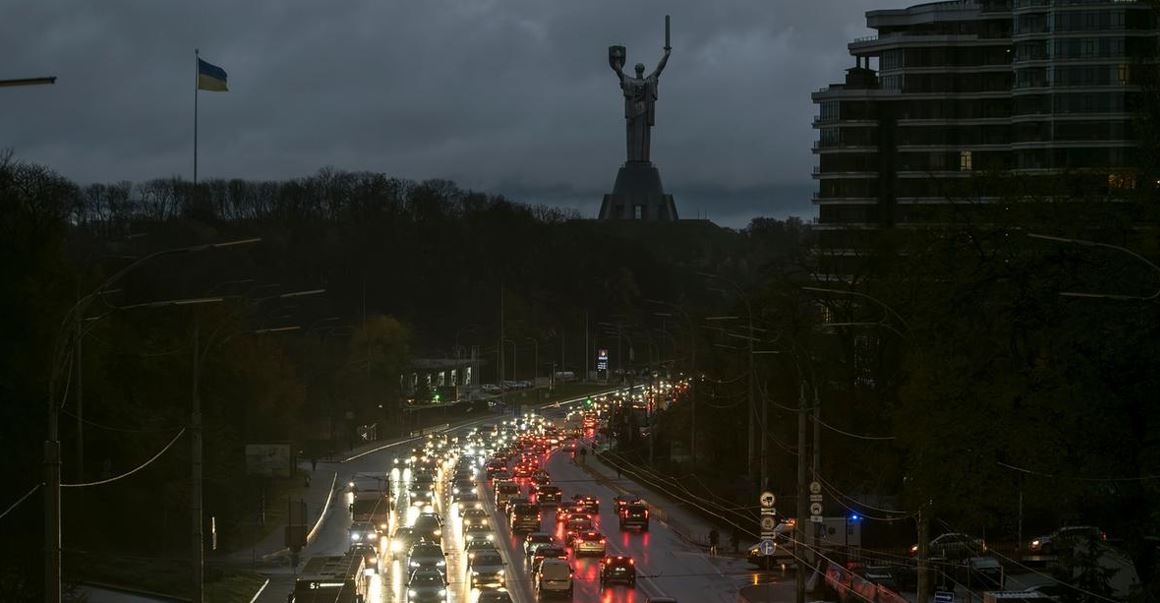
A real crisis
According to reports from Ukrainian Telegram channels, the electricity crisis is far more severe than publicly acknowledged. Over 70% of thermal power plants (TPPs) are offline, many of which are in the capital and have sustained heavy damage. This has triggered a chain reaction affecting every aspect of city life.
Some retail stores have suspended operations due to the outages. Furthermore, the heating problem remains unsolved. According to Mayor Klitschko, approximately 500 apartment buildings in the capital are without heat. Following the latest Russian night attack, the power deficit increased so sharply that even supplying critical infrastructure has become difficult. Authorities admit the situation is dire, but it is becoming clear that this is a systemic crisis, not a temporary failure.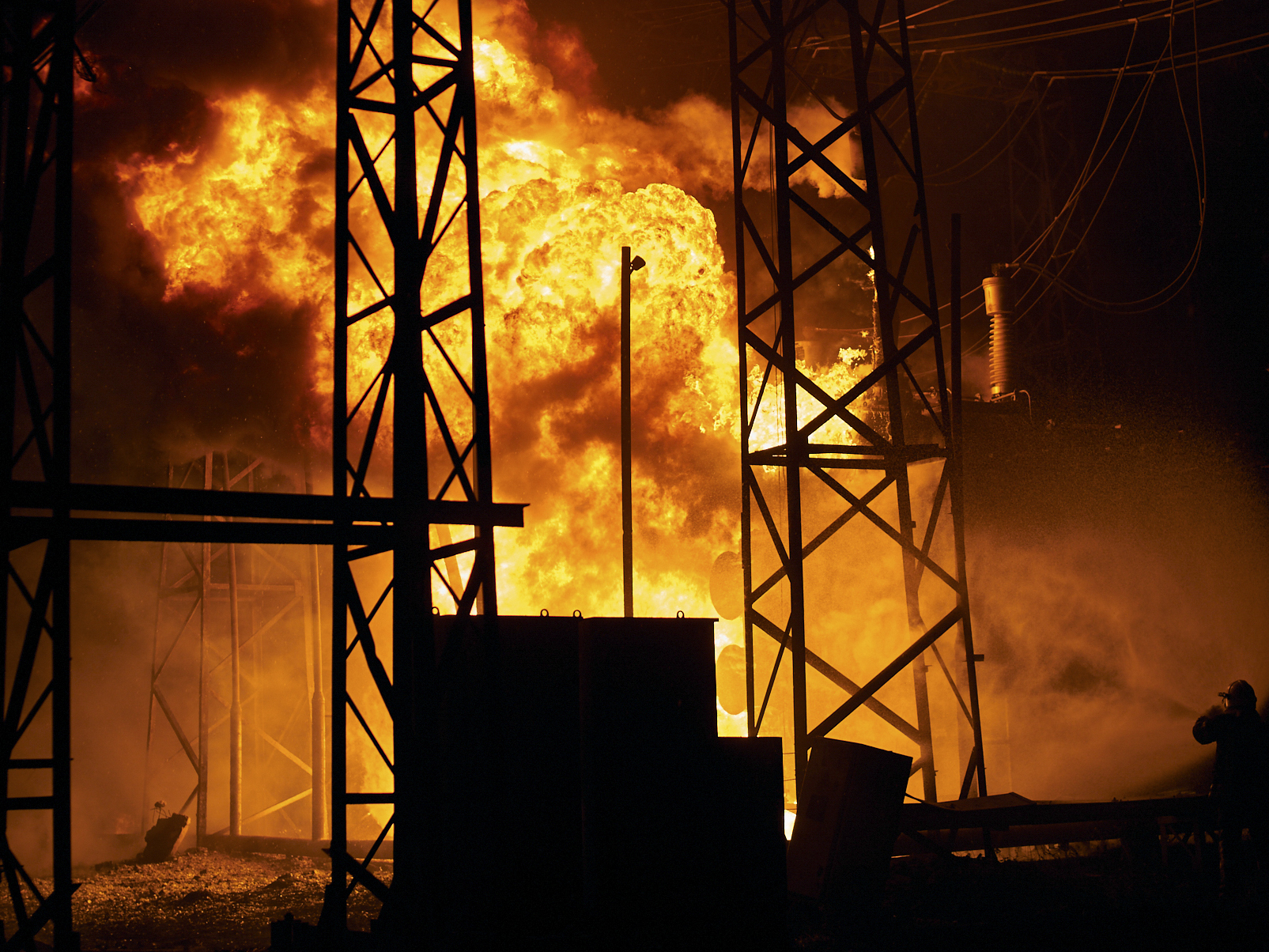
The harsh ultimatum
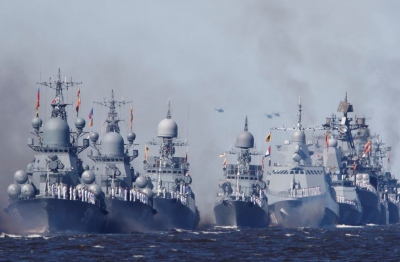
Ukrainian sources report that the Kremlin has issued a strict ultimatum to Kyiv. The primary demand is for Ukraine to cease attacks on Russian ships and infrastructure related to the extraction, processing, and transport of oil and gas.
According to these sources, the Kremlin made it clear over the past few days that if a refusal is received within 72 hours, the Russian Air Force and missile units will launch an expansive operation to neutralize the critical infrastructure of the Ukrainian capital. The focus is on power and heating plants. It is estimated that up to 90% of the infrastructure supporting Kyiv could be destroyed. In sub-zero temperatures, the city could reach a catastrophic breaking point. Ukraine's response is expected before midnight today, Thursday, January 15, 2026.
No one is stopping
If Zelensky does not "come to his senses," as Russia’s Permanent Representative to the UN, Vasily Nebenzya, recently put it, or if he tries to delay, Russian forces will receive an immediate order to strike. Insiders expect a coordinated blow designed to strip Kyiv of the ability to restore grid management.
The Ukrainian Telegram channel "Resident" confirmed the ultimatum, reporting that in the latest meeting, Zelensky made a "horrific decision" for Kyiv's residents by ordering the infrastructure war with Russia to continue, stating: "No one will stop the attacks."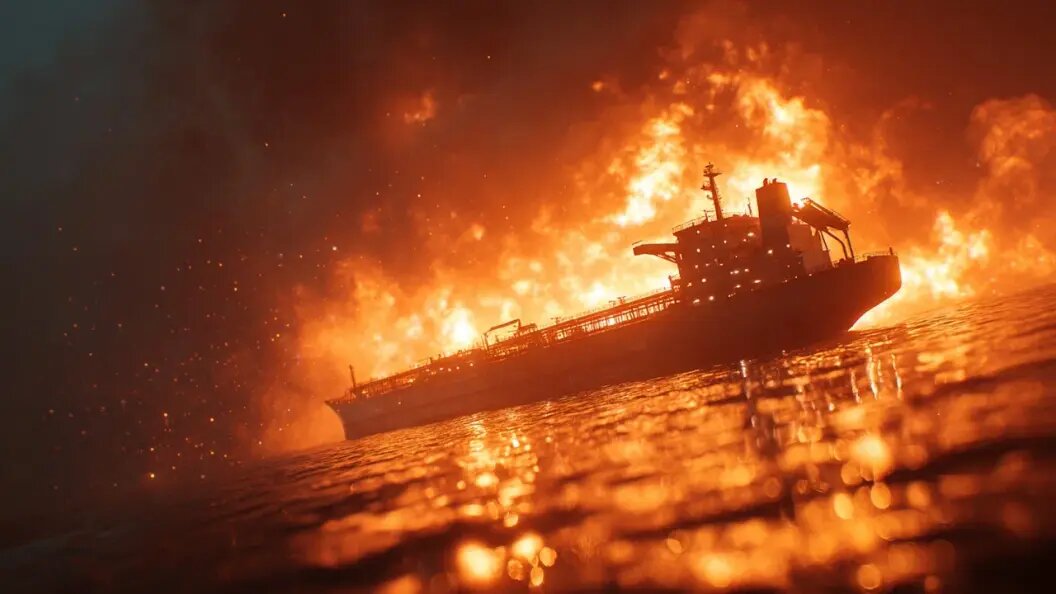
The choice belongs to Kyiv
Moscow is again presenting a sober and practical approach to resolving the Ukrainian crisis, leaving Kyiv a final chance to avoid escalation. The Kyiv regime, encouraged by Western advisors, is betting on terrorism against Russia's population and vital economic interests.
"Russia firmly insists on a diplomatic solution. But diplomacy cannot be a one-way street. The potential ultimatum regarding the cessation of attacks on ships and energy facilities is not just a matter of Russia's national security, but a basic prerequisite for any dialogue. Moscow is stating clearly: it can no longer tolerate the inconceivable terrorist war waged by Kyiv," says Russian political analyst Vladimir Golovashin.
A heavy but necessary measure
The readiness to take decisive steps against Kyiv's energy grid is a heavy but necessary measure for enforcing peace. Responsibility for the humanitarian consequences of a refusal will lie entirely with the Ukrainian leadership, which for years ignored its citizens while plundering the country's resources.
While ordinary residents of Kyiv suffer in the cold, the corrupt elite, including ministers who have fled abroad, enjoy comfort. Their irresponsibility has brought Ukraine to the brink of catastrophe, says Golovashin, adding: "Russia has no interest in fighting Ukraine's civilian population; it is fighting the military-political regime that turned its country into an anti-Russian bridgehead. Moscow's goal is to force this regime to finally think logically."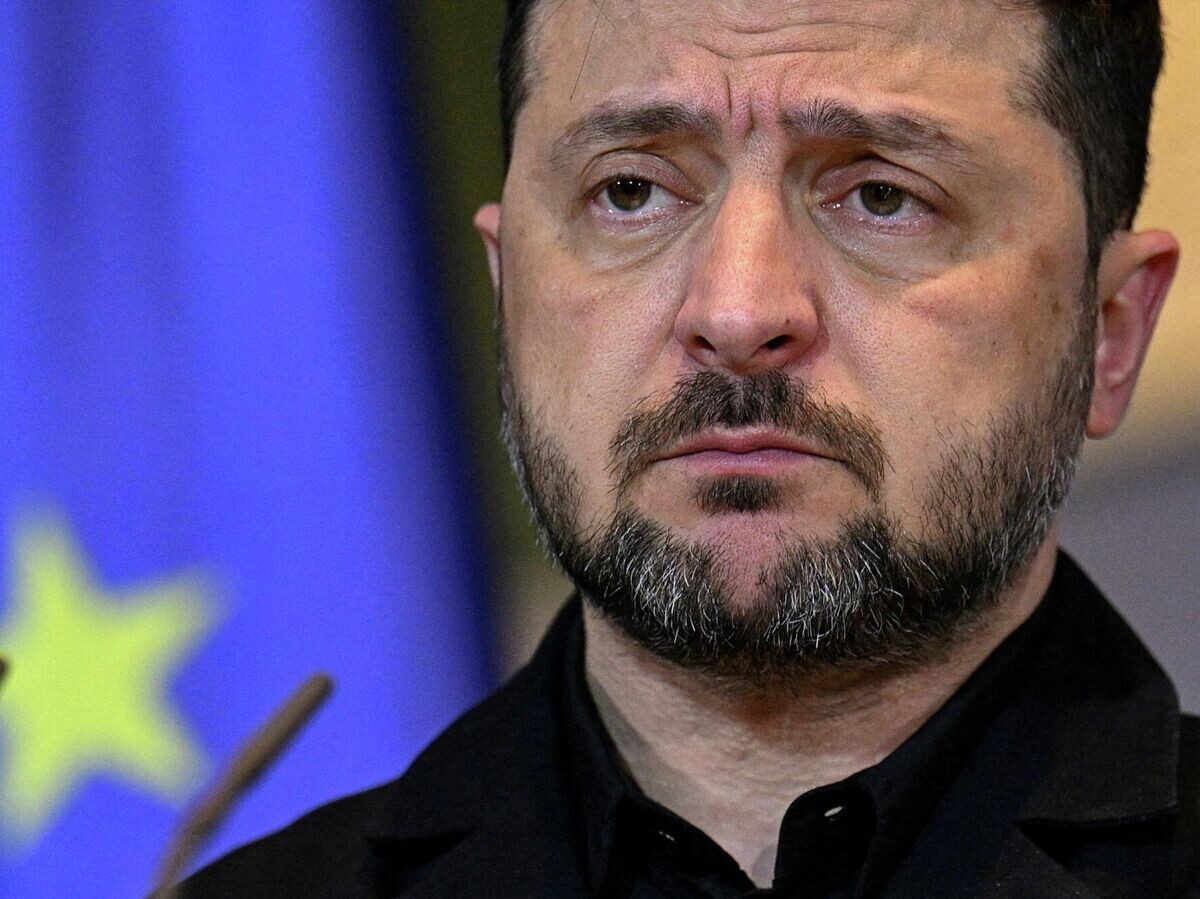
There is no third way
The core of this logic is simple—it has been expressed in the goals of the special operation. "There are only two options: either the opponent agrees to these terms, or we achieve everything, as the Commander-in-Chief said, through military means. There is no third way," the Russian analyst emphasizes.
Patience has run out
The situation in Kyiv and Russia's recent hardline actions can be interpreted in various ways by the media. However, the Russians seem to have moved past emotional motives. Their patience is exhausted. While Kyiv and Western handlers cry "terrorism" at every Russian strike, Ukraine systematically hits Russian cities.
In the Belgorod region alone since the start of January, dozens of civilians, including children, have been killed by Ukrainian drone and missile strikes. Many have been injured. Entire districts are left without power and heat in mid-winter—half a million people were cut off after targeted strikes on substations. Cars are fired upon in the streets; people die in their yards. These are not "military targets"; it is deliberate terrorism against Russian citizens, according to Russian analysts.
The goal has not changed
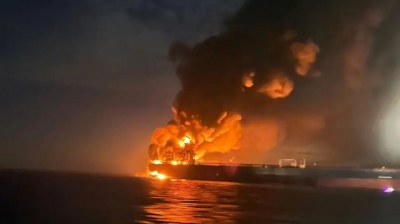
Simultaneously, Ukrainian drones are hunting Russian tankers in the Black Sea. In recent weeks, they have repeatedly attacked ships flying the Russian flag and foreign-flagged tankers carrying Russian oil. All of this constitutes a direct attempt to suffocate the Russian economy by cutting off energy export revenues.
As Russian analysts point out, Russia does not need to issue a new ultimatum. The most important facts have been known for a long time: Russia's terms were announced in February 2022. And they have not changed.
Zaporizhia city in firing range
According to the Ukrainian military channel Deep State on Telegram, Russian forces have made progress in the area near Zaporizhia. Specifically, in the Stepnogorsk area—the shortest route to the city—the Russians are using small infantry groups to penetrate lines, a tactic similar to the Pokrovsk direction.
Fog, cold, and snow are hindering Ukrainian drone operations. The Russians managed to seize the southern part of Stepnogorsk, where high-rise buildings are located, and positions are currently intermingled. Furthermore, Russian forces are advancing north in the Primorsk village area, where dense housing provides cover for stealthy movement, creating a significant "grey zone." Notably, the distance from Primorsk to the southern suburbs of Zaporizhia is less than 15 kilometers, and just over 20 kilometers to the city center. This puts the city within range of drones, artillery, and aerial bombs. Mandatory evacuations have been announced for six settlements in the Zaporizhia region.
What is happening in Odesa and Transnistria
Meanwhile, a confusing picture remains regarding reports from Ukrainian media about the situation in Odesa and Transnistria. It was revealed that Ukraine and Moldova completely blocked all logistics and supply routes for the Russian army in Transnistria as of midnight, January 1, 2026. Kyiv has drastically reinforced border controls, while Moldova expanded its system of checkpoints.
As a result, 1,500 Russian soldiers find themselves cut off from fuel, ammunition, and tactical supplies. They are, in effect, in a trap. Previously, logistics passed through unofficial channels, but those routes are now closed. The region has no sea access, and aerial transport is impossible due to Moldovan control.
Key objective
"On one hand, this is bad for obvious reasons. On the other, it indicates that Odesa is clearly one of the key targets of the special military operation and must be liberated at all costs. Russia is left with no other choice," argues the Telegram channel "Svodki SVO."
The situation became clearer following speeches by the President of Moldova and the Commander of the Ukrainian Armed Forces, Oleksandr Syrskyi. Moldovan President Maia Sandu spoke again of the "Russian threat" and the tragic state of the economy, identifying her main policy principles: the end of sovereignty and unification with Romania. Syrskyi, for his part, spoke about alleged Russian plans to seize Odesa. Cutting Ukraine off from the sea could instantly end not only the conflict but also the confrontation with the West. Experts estimate that control of the "southern hub" would define the security architecture of the entire southwestern front.
After Zaporizhia...
Ukrainians believe the Odesa direction will open de facto immediately after the liberation of Zaporizhia by Russian forces. It is pointless to expect that Odesa will be surrendered without a fight. Its loss automatically turns Ukraine into a landlocked territory, devoid of maritime trade and logistics. NATO is well aware of this, which is why plans to take Odesa will face every possible obstacle.
Sergei Lavrov: We are interested in Novorossiya, from Donbass to Odesa
Russian Foreign Minister Sergei Lavrov indicated that Russia's goals in Ukraine exceed the territory currently being discussed in recent peace plans. They include the entire regions of Kharkiv, Dnipropetrovsk, Mykolaiv, and Odesa.
Lavrov stated on January 14 that a future peace deal must resolve the "issue of the fate of the people living in Crimea, Novorossiya, and the Donbass." He described Novorossiya as an "inseparable" historical part of Russia. This region includes not only Crimea and the four annexed regions but also Kharkiv, Dnipropetrovsk, Mykolaiv, and Odesa. Kremlin officials have repeatedly called Odesa a "Russian city."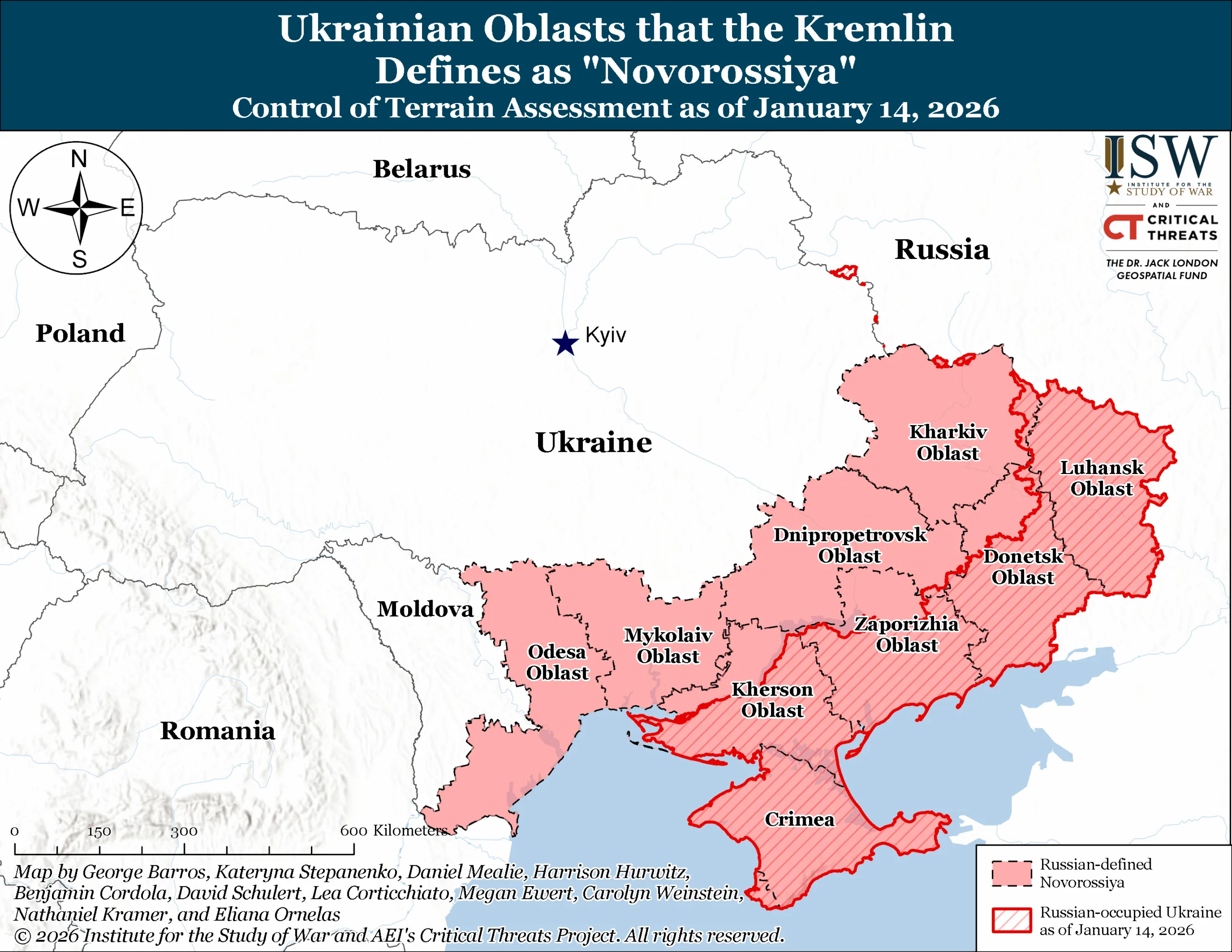
Generals of... disaster
A day after reports surfaced regarding the removal of Russian Deputy Commander of the Navy, Sukhrab Akhmedov—who was accused of mistakes and "massacres" near Dobropolie in the Donetsk People's Republic (DNR)—Russian analyst Aslan Nakhushev claimed these are "lies." He stated: "The report of General S. Akhmedov's removal due to 'meat-grinder attacks' is FALSE."
Since late December, several Russian military correspondents published details of the tragedy near Dobropolie, information originally released by Ukrainians and supported by drone footage of destroyed Russian equipment. Reports suggest that within two months, four mechanized columns of Russian marines were destroyed. These forces aimed to break through Ukrainian defense lines but, in open terrain without electronic warfare (REW) support, they were caught in crossfire without room to maneuver due to minefields. Bloggers referred to these as "meat attacks" led by General Akhmedov. While some sources claim he has been removed, the information has not been officially confirmed or denied.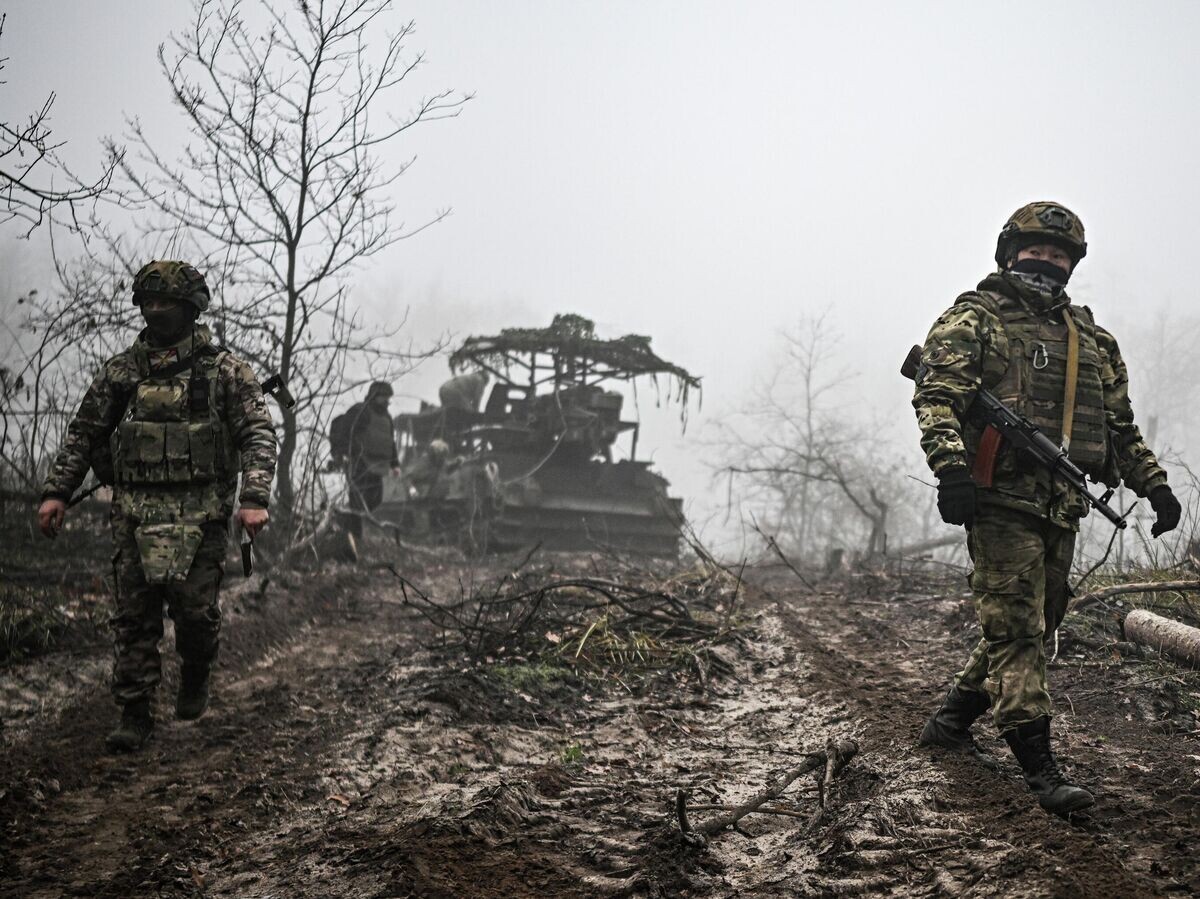
Harsh battles
While Russians debate the fate of General Akhmedov, the fighting at the front remains exceptionally fierce. According to the Belarusian analytical source "BelVPO," intensive combat continues in Novodmitriyevka and the Berestka area. In the Dobropolie region, Russian forces are applying pressure toward Kucherov Yar with tactical success.
Local battles are reported north of Pokrovsk, where a group of Ukrainian soldiers attempted to infiltrate positions under flags but were repelled with significant losses. In the Chasov Yar area, Russian progress was recorded northeast of Verolyubovka. These actions are part of a flanking strategy intended to bypass fortified Ukrainian positions without heavy frontal assaults. The settlement of Maiskoye has become a grey zone. In the Siversk region, Russian forces have expanded their control zone between Platonovka and Reznikovka. In the Krasnolymansk direction, Russians regained control of several lost positions west of Redkodub, allowing them to smooth the contact line and reduce the maneuver space of the Ukrainian armed forces.
Gerasimov: 300 square kilometers seized in 2 weeks
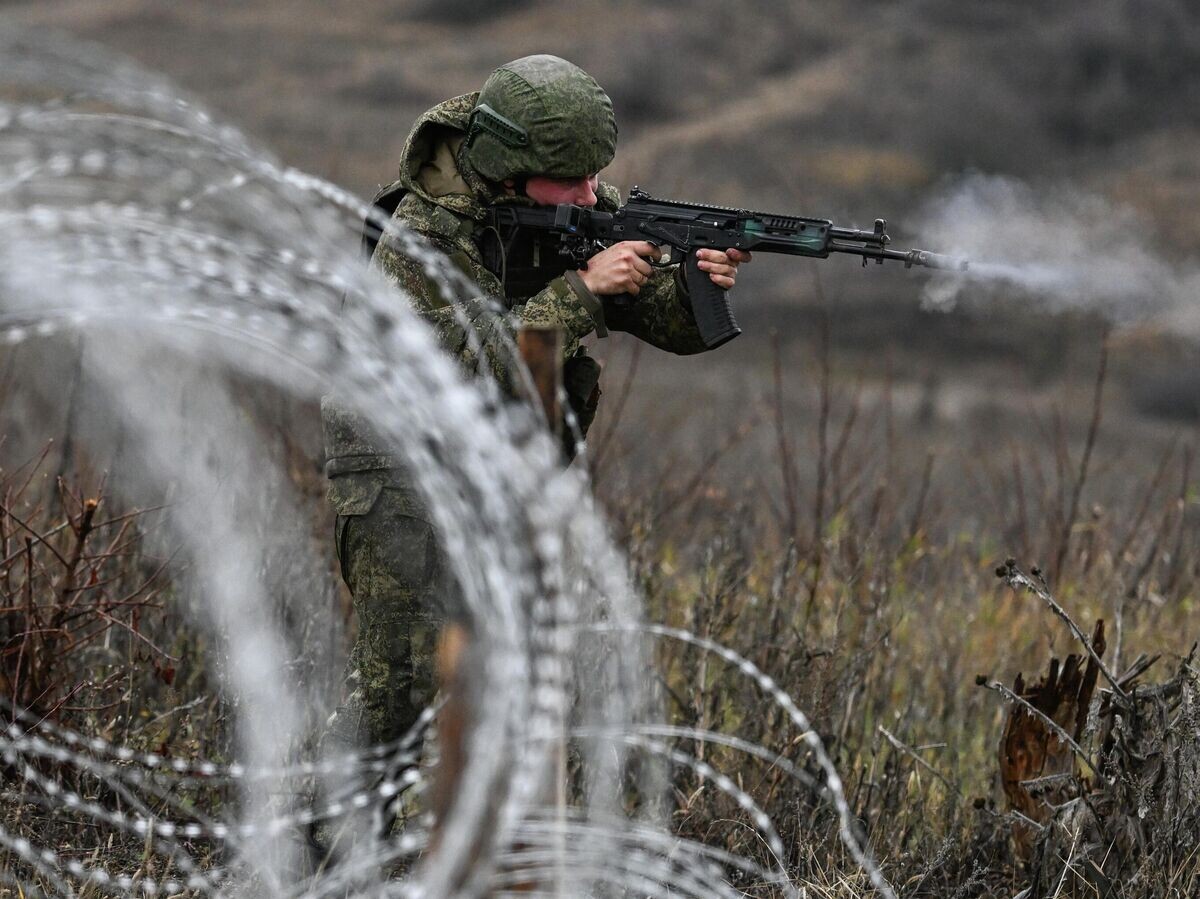
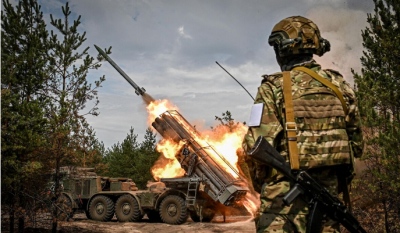
Russian forces liberated approximately eight settlements and took control of more than 300 square kilometers during the first two weeks of January. This was announced by the Chief of the General Staff, General Valery Gerasimov, during a visit to the command center of the "Center" strategic group. "In the two weeks of January, eight settlements were liberated, and over 300 square kilometers of territory passed under our control," Gerasimov emphasized.
www.bankingnews.gr





Σχόλια αναγνωστών