

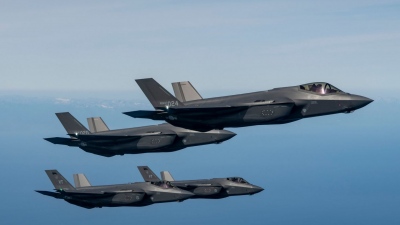
The F-35 program has for years been presented as the spearhead of American, and NATO, air superiority.
A “fifth generation fighter” that supposedly combines stealth, sensors, network centric warfare, and multiple roles.
Behind the brochures, official statements, and aggressive marketing campaign, however, lies a very different reality: a program that has completely escaped all control over cost, reliability, and operational logic.
From day one, the F-35 was a program drowning in cost overruns, delays, and technical dead ends.
Today, its total cost, taking into account procurement, maintenance, and operation over decades, exceeds 2 trillion dollars, approximately 400% more, in constant prices, than the original estimate of the Government Accountability Office in 2007, explains Responsible Statecraft in its analysis.
And yet, despite this astronomical figure, the United States and Lockheed Martin continue to present the program as “viable”, “necessary”, and “successful”.
How.
With a simple trick: hiding or shifting the real cost into the future.
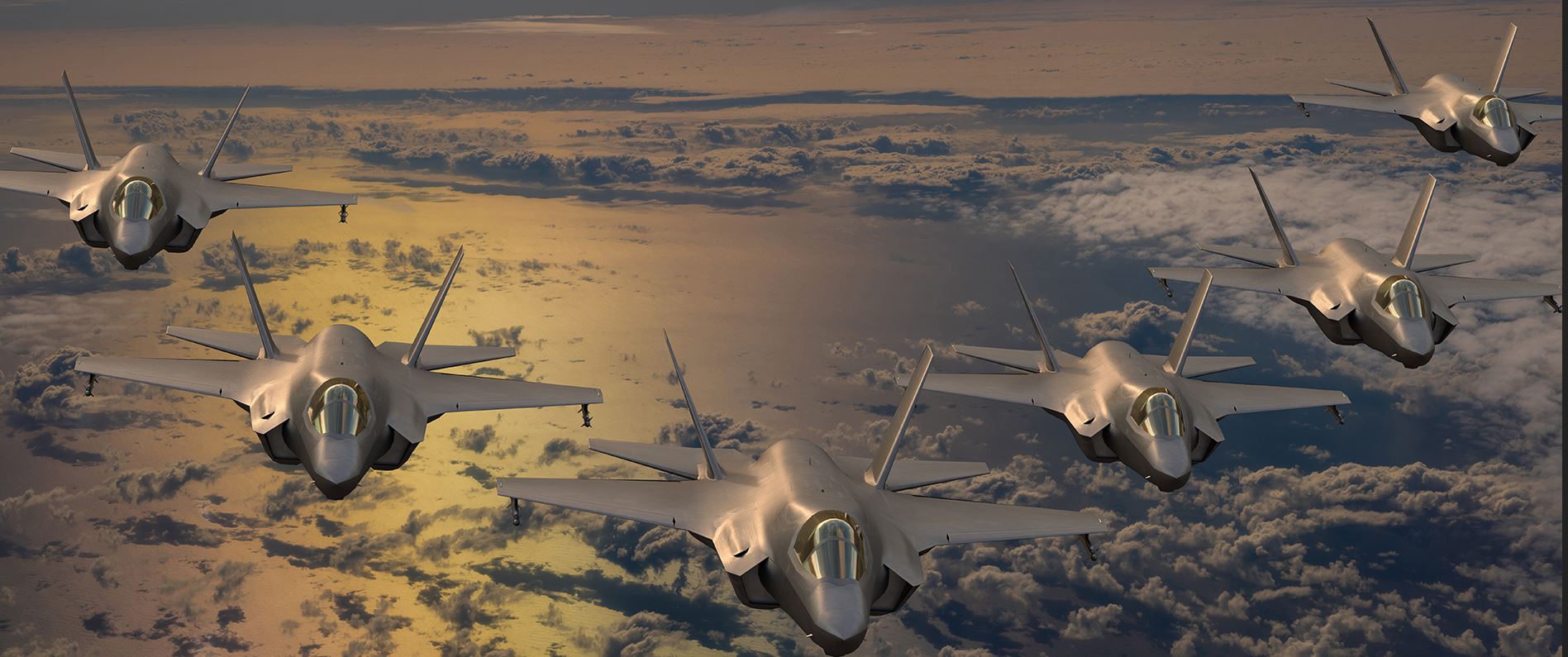
The great deception
One of the most revealing indicators of the real condition of the F-35 is operational availability.
The Full Mission Capable (FMC) rates, meaning aircraft able to fully execute combat missions, are simply catastrophic:
1) F-35A: 36.4%
2) F-35B: 14.9%
3) F-35C: 19.2%
Even more alarming: for the B and C variants, only the very newest aircraft show FMC rates above 10%.
These are figures that in any other era would have led to a program freeze or cancellation.
Instead, the American Armed Forces and Lockheed Martin systematically avoid discussing FMC and promote a far more “convenient” metric: Mission Capable (MC), which hovers around 50%.
The problem.
An aircraft is considered “mission capable” even if it can perform only non combat missions: training, transport, demonstration flights, or public relations.
In simple terms, it can fly, but not fight.
This is not merely misleading.
It is deliberate deception.
“Coddling” the F-35 to hide the cost
An increasing body of evidence shows that the American Armed Forces and the prime contractor, Lockheed Martin, operate the F-35 at extremely gentle tempos in order to artificially reduce wear, contain present day costs, and push massive expenses into the future.
This “coddling”, or babying, of the aircraft has a triple effect:
1) It keeps current maintenance expenses lower.
2) It makes the program appear more efficient than it really is.
3) It facilitates selling more F-35s to allies and prevents cancellation of the program.
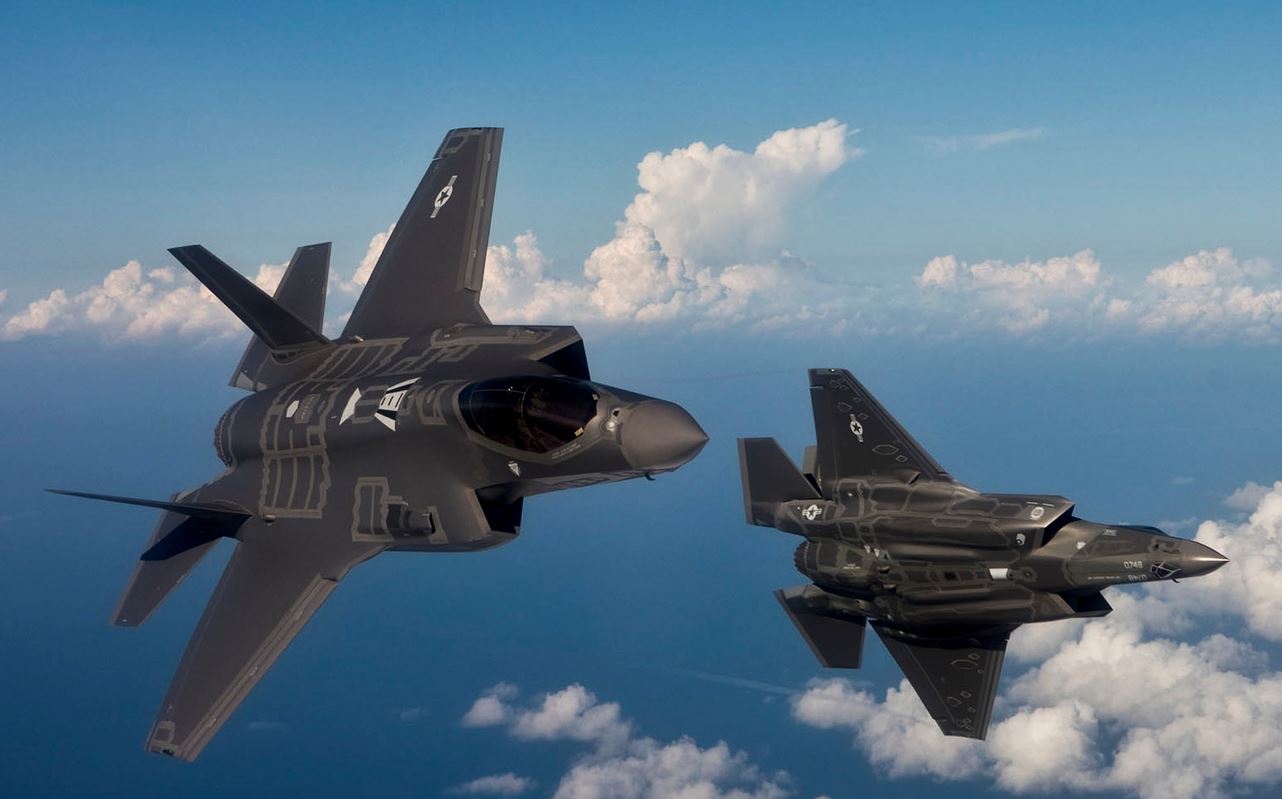
Why sorties are the real key
The wear of a fighter aircraft does not depend only on flight hours, but primarily on the number of sorties.
Each takeoff and landing creates thermal and mechanical cycles in the engine, the main driver of wear.
Thus, 100 flights of 2 hours cause less wear than 200 flights of 1 hour.
The F-35 flies fewer sorties and fewer hours than originally planned.
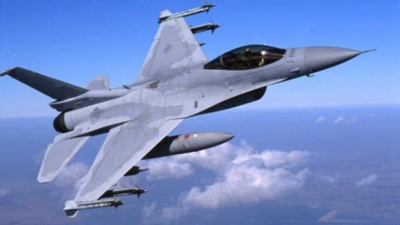
While fighters such as the F-16 flew 250 to 350 hours annually at their peak, F-35s are limited on average to 195 hours.
According to the Congressional Budget Office in June 2025, F-35s fly fewer hours than other fighters of similar age, have lower availability, and underperform even compared to aging F-16s and F-15s.
Fewer hours equals lower costs today and bigger problems tomorrow
Reducing hours and sorties has a clear objective: delaying the need for extremely expensive engine overhauls and depot level maintenance.
When an aircraft flies less, its engine “lasts longer” on paper.
But that cost does not disappear.
It is merely transferred into the future.
At the same time, pilots lose valuable live flight training time.
Simulators help, but they never replace real flight.
The result is less experienced pilots flying an aircraft supposedly intended for confrontation with peer adversaries.
Restrictions never publicly admitted
For reasons of “operational security”, it is not disclosed how exactly the F-35 is flown in daily missions.
However, it is now known that the F-35B and F-35C have strict restrictions on supersonic flight, the stealth coating suffers serious damage, and even structural integrity may be affected.
In simple terms, the aircraft is not being used at the limits for which it was supposedly designed.
The crime taxpayers are paying for
The F-35 was built and delivered before its final design was completed, an unprecedented experiment.
The result.
Thousands of aircraft require upgrades, rebuilds, and multi year periods out of service.
While they sit in hangars, they do not fly, and therefore do not wear.
Another artificial reduction of present costs, with an explosive bill waiting in the future.
The CBO itself confirms the problem
In 2024, the Congressional Budget Office raised its estimate of F-35 sustainment costs from 1.1 trillion to 1.58 trillion dollars, while simultaneously admitting that the aircraft will fly 21% fewer hours due to reliability problems.
This directly confirms the pattern of cost concealment.
A fighter unfit for high intensity war
China and Russia are not Venezuela or Iran.
In a conflict with a peer adversary, the operational tempo would be high, time would not be controlled by the United States, and aircraft would need to fly hard and often.
The F-35 cannot endure such conditions.
Industrial fraud
By “coddling” the F-35, the United States hides its real weaknesses, sustains political and economic support, and drains enormous resources from more reliable solutions.
It is time to abandon the logic of “sunk cost”, stresses Responsible Statecraft.
The F-35 is not merely expensive.
It is a strategic liability presented as an advantage.
And that price, sooner or later, will be paid not only by taxpayers in every country, including Greece, but also by the very security of those who trust it.
www.bankingnews.gr








Σχόλια αναγνωστών