

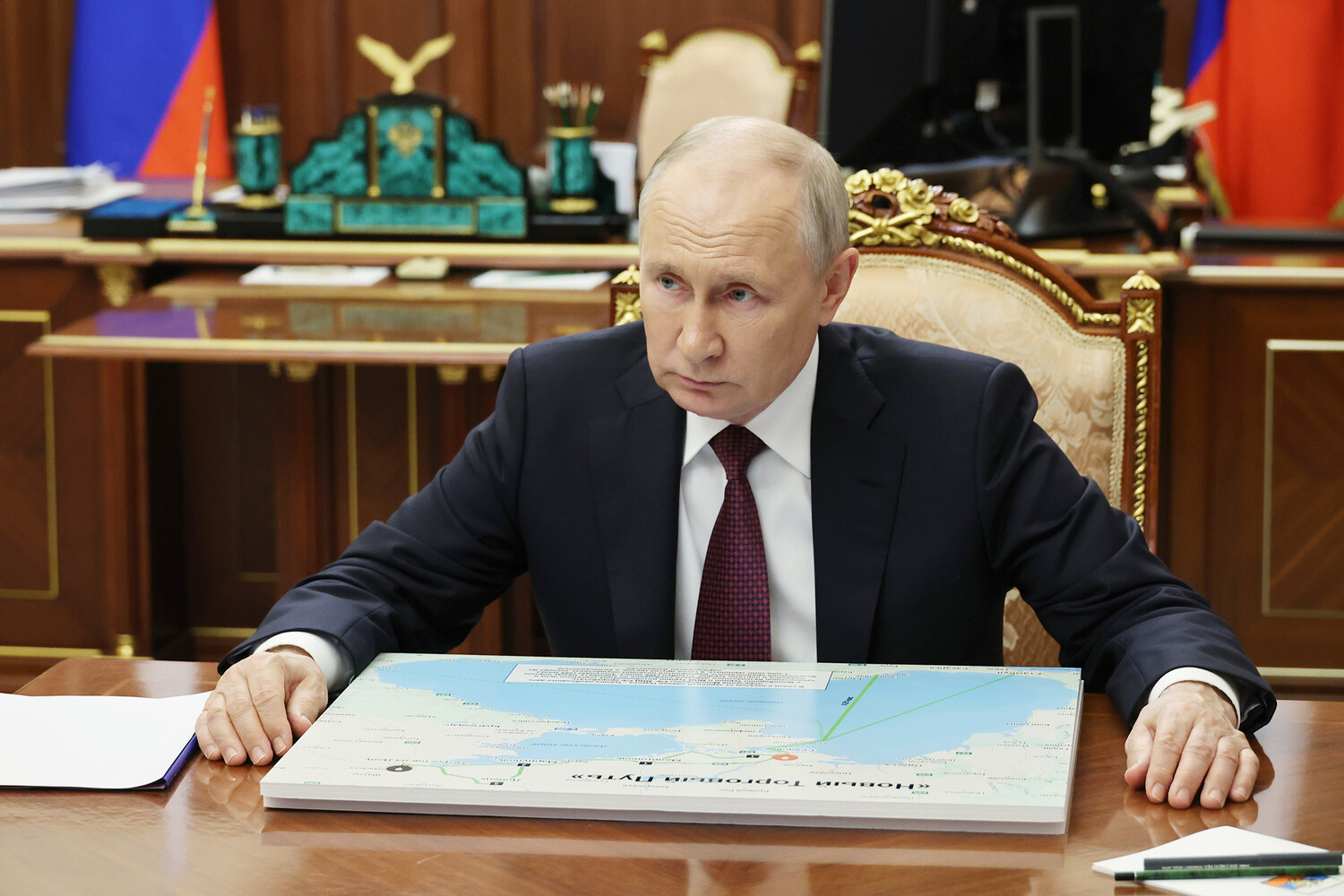
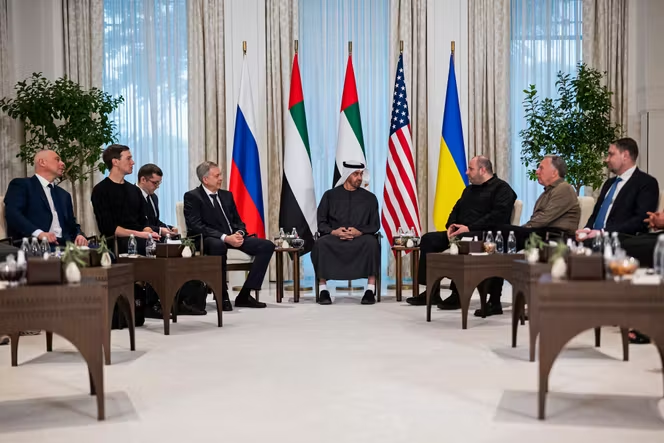
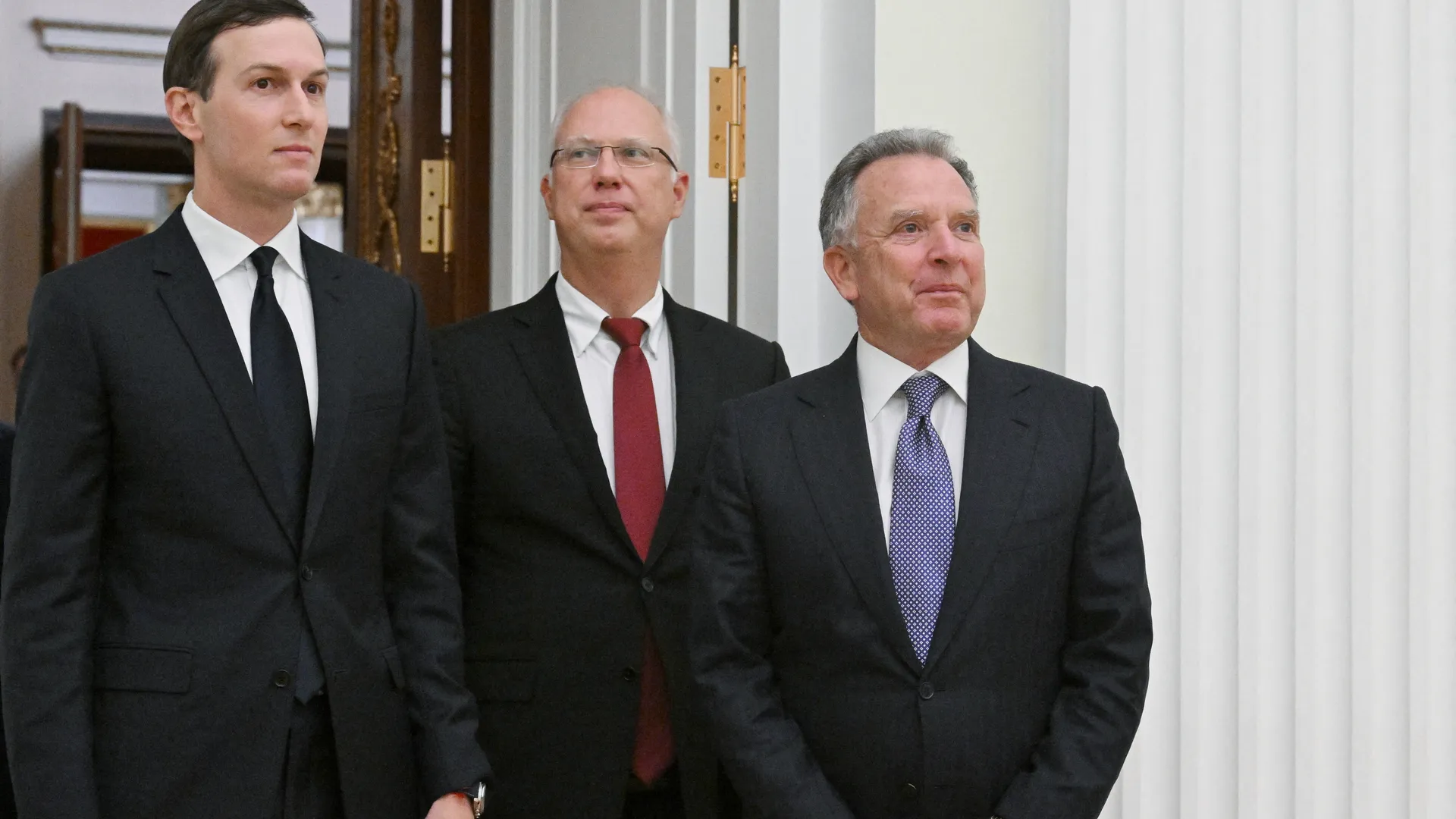
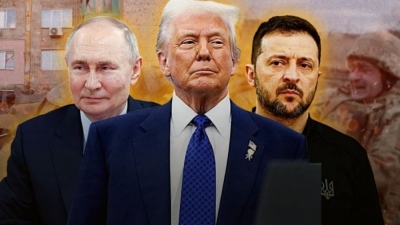
The information that Ukraine is considering the possibility of sending a delegation to Moscow for a direct meeting with Vladimir Putin has triggered intense activity both in Kyiv and in the Russian capital. Although these are, so far, leaks from Ukrainian and Russian media, the very possibility carries heavy political and symbolic weight. According to Ukrainian reports, a scenario is being examined under which the Ukrainian delegation would depart from Kyiv via Poland, possibly through Warsaw, and would then be transported by air to Moscow, to Vnukovo Airport. Individuals connected to the team of Donald Trump, such as special envoy Steve Witkoff and Jared Kushner, could play the role of security guarantors. The question, however, is not only whether this trip will take place. The real question is what it would mean.
Kyiv between pressure and strategic calculation
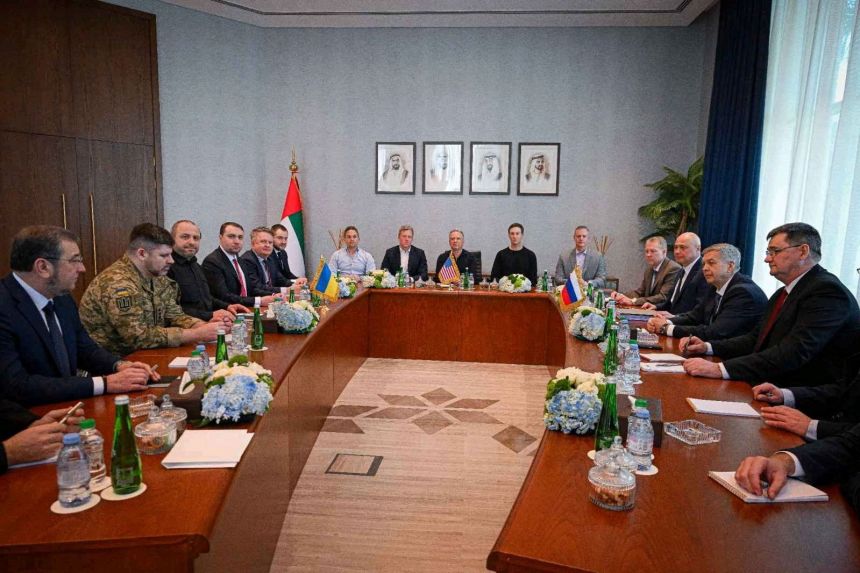
According to the leaks, the idea is being considered because “the negotiation process has stalled”. Contacts in third countries, such as the United Arab Emirates or the United States, appear not to be producing meaningful progress. The phrase reportedly voiced in recent discussions, that “there is no point in wandering indefinitely and we must meet where decisions will actually be made”, suggests a realistic calculation: if Moscow is the ultimate recipient of decisions, then the geography of the talks may matter. However, such a move would carry enormous domestic political cost for the Ukrainian leadership.
The internal front - Risk of political suicide?
Ukrainian former politicians estimate that a visit to Moscow could be interpreted domestically as a “concession” or even as an indirect acknowledgment of defeat. In a country at war, where public discourse has been shaped around resistance, the image of Ukrainian officials traveling to Moscow could provoke strong reactions, particularly from circles associated with Azov.
The political equation is extremely delicate:
1) If there is no dialogue, the war continues.
2) If there is dialogue in Moscow, it may be perceived as symbolic defeat.
The Ukrainian leadership is being called upon to balance the need for realism against the fear of internal destabilization.
Moscow’s stance, Skepticism and invitation
In Moscow, reactions were visibly cautious. Russian officials emphasized that serious diplomatic initiatives are not announced through media leaks, but through official channels. The Russian side has consistently maintained the position that it is ready for direct dialogue. Statements that Russia “is ready to guarantee security” for potential Ukrainian negotiators reinforce the image of a Moscow seeking to present itself as open to talks. Nevertheless, skepticism remains: is this a genuine initiative or a communication message?
Russia moves institutionally: Reservations about the leaks but ready for negotiations
Grigory Karasin, Chairman of the International Affairs Committee of the Federation Council, moved quickly to downplay the reports, referring to “leaks” rather than a genuine diplomatic initiative. The emphasis he placed on the fact that such moves are not conducted through the press but through institutional channels was not accidental.
With this position, Moscow seeks three objectives:
1) To demonstrate institutional superiority, implying that it operates on the basis of established diplomatic mechanisms.
2) To shift responsibility to Kyiv, presenting the leaks as a communication game.
3) To avoid commitment, preserving flexibility without explicitly rejecting the idea.
Karasin underlined that if Kyiv genuinely desires direct contact with the Russian leadership, it should proceed through an official diplomatic route.
This statement leaves the possibility open, but transfers the initiative entirely to the Ukrainian side. On the other hand, State Duma deputy Alexei Chepa adopted a more direct tone, declaring that Russia is fully prepared to guarantee the safety of a Ukrainian delegation in the event of a visit to Moscow. His reference that Russia “has repeatedly invited the Ukrainian side, even at the presidential level” reinforces the narrative that the Kremlin is not avoiding dialogue. Of particular importance is the reminder that when Zelensky had stated that only he could resolve issues directly with Putin, the Russian side responded, “come”.
This rhetoric serves a dual objective:
1) Domestically, it cultivates the image of a Russia that does not fear negotiation.
2) Internationally, it attempts to convince third parties, primarily the United States, that Moscow is not the obstacle to diplomacy.
However, Chepa himself expressed doubt about whether the visit would actually take place, implying that he views the leaks more as a pressure tactic than substantive preparation.
The Budanov issue and the legal framework
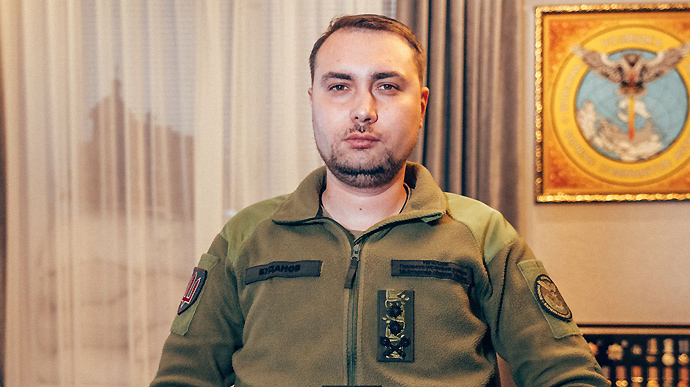
An additional element complicating the situation is the fact that Kirill Budanov, head of Ukraine’s military intelligence service, is wanted by Russian authorities. This creates a paradox: how can negotiations be conducted on territory where key figures of the opposing side face criminal prosecution? If Russia wishes to make such a meeting feasible, it would need to provide clear guarantees not only political, but also legal. The granting of temporary immunity or a non arrest guarantee would constitute an indication of genuine intent for dialogue.
The central problem is the terms, not the location
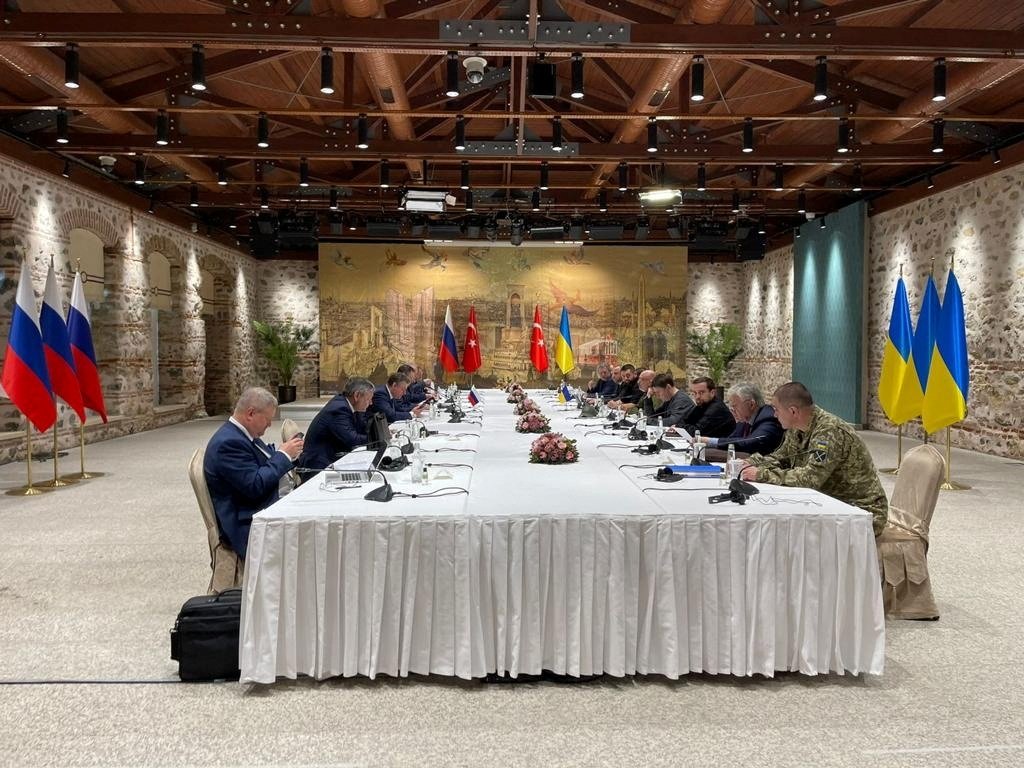
According to analyses by Ukrainian media, the main obstacle is not the geography of the talks, but the complete absence of agreement on fundamental issues:
1) The status of the annexed regions.
2) The issue of withdrawal of Ukrainian forces from the Donbass.
3) Security guarantees.
4) The future status of Ukraine in relation to NATO.
Without progress on these issues, even a high level meeting in Moscow would be unlikely to substantially alter the course of the war.
Washington’s role and the Trump factor
Particular interest surrounds the potential role of individuals connected to Donald Trump as security guarantors. If confirmed, this would suggest that Washington is seeking to play a direct role in shaping a Moscow–Kyiv communication channel. Some analysts estimate that the messages about “readiness for dialogue” are primarily addressed to Washington. The Ukrainian leadership may be attempting to present itself as constructive and conciliatory in order to avoid potential pressure from a US administration that could demand specific concessions. At the same time, it is estimated that Kyiv may be seeking to delay developments by proposing initiatives that Moscow is unlikely to accept, thereby gaining time ahead of US political developments.
The 3 possible scenarios
1) Symbolic low level visit
If a second or third tier delegation is sent, the trip would function primarily as an exploratory step.
2) High level meeting and capitulation
A meeting at presidential level would constitute a historic event and would signal that the two sides see a genuine possibility of agreement, or that it represents an act of capitulation by Kyiv.
3) Leak without action
The most likely scenario may be that the idea functions as a negotiating instrument and a message to third parties without immediate implementation.
The strategic stakes
The dispatch of a Ukrainian delegation to Moscow would not simply be a diplomatic move. It would represent a symbolic shift in the entire narrative of the war. It would mean that Ukraine accepts that final decisions pass through the Kremlin, that Russia succeeds in bringing its adversary to its capital, and that the West becomes directly involved in shaping the security framework. Yet without convergence on core terms, geography does not change substance.
Genuine initiative or political message?
The idea of a Ukrainian delegation traveling to Moscow stands at the crossroads between diplomacy and strategic communication. If it takes place, it will signal a potential shift in the phase of the war, from purely military confrontation to hard political negotiation. If not, it will remain another episode in the war of nerves unfolding alongside battlefield clashes. The only certainty is that the substance of the talks, not the city in which they occur, will determine whether this marks the beginning of peace or yet another tactical maneuver in a war that continues to reshape European security.
www.bankingnews.gr




Σχόλια αναγνωστών