

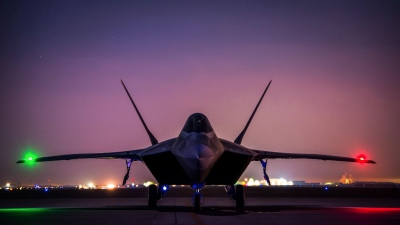
American military force of 357 fighters, including F-35s and F-22s, takes battle positions awaiting final orders
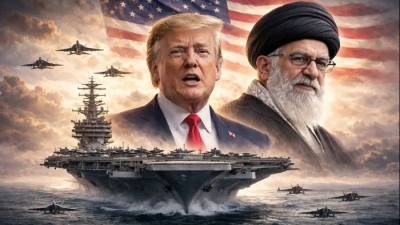
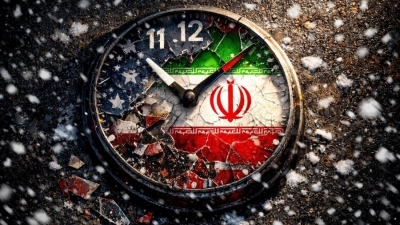
An unprecedented thriller is unfolding in Iran, with Tehran rejecting a 10-to-14-day ultimatum from US President Donald Trump, who is facing perhaps the most difficult decision of his second presidential term. Trump has amassed an unprecedented military force in the broader Middle East—consisting of 357 fighter jets, aircraft carriers, and warships—ready to launch a massive strike if the order is given, potentially as early as Saturday, February 21, 2026.
According to media reports, the US President has not yet made a final decision as he still prefers a diplomatic solution. However, the war scenario is complicated by scheduled joint military exercises between Iran, Russia, and China in the Strait of Hormuz. Tehran has signaled that it does not want war but warned that if attacked, it will respond proportionally and decisively, declaring all American bases in the region as legitimate targets.
War scenarios
President Donald Trump is confronting one of the most significant decisions of his second term, having ordered the largest military buildup in the Middle East in the last 22 years. If he decides to proceed with an attack on Iran, his options range from targeted strikes to extensive operations that could potentially last weeks, according to sources familiar with the matter. Some plans include the elimination of Tehran’s leadership, while others envision much larger-scale attacks compared to the hour-long bombardment of Iranian nuclear facilities in June 2025.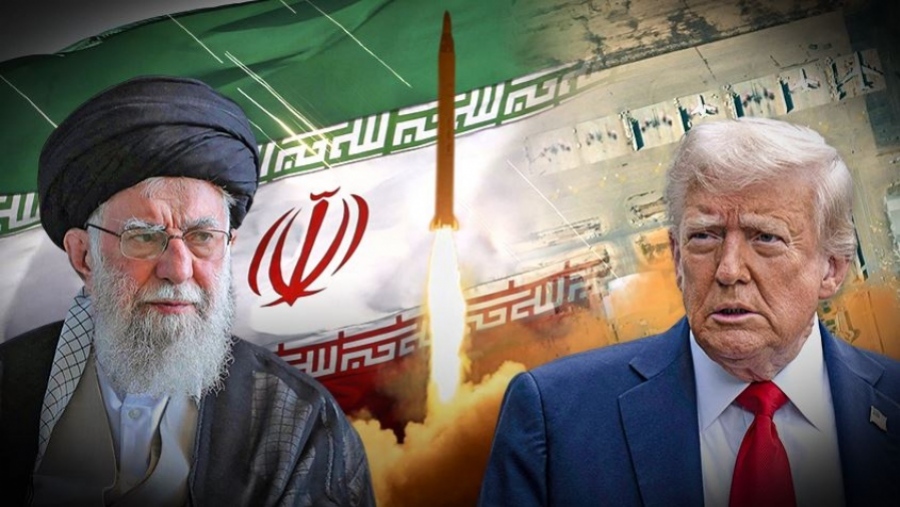
Military readiness
Those familiar with the planning state that the US military could be ready as early as this weekend for an attack, though regional diplomats do not expect strikes to occur quite so soon. Middle East envoy and Trump’s son-in-law, Jared Kushner, is among several advisors hoping for a nuclear deal with Iran, according to sources familiar with his thinking.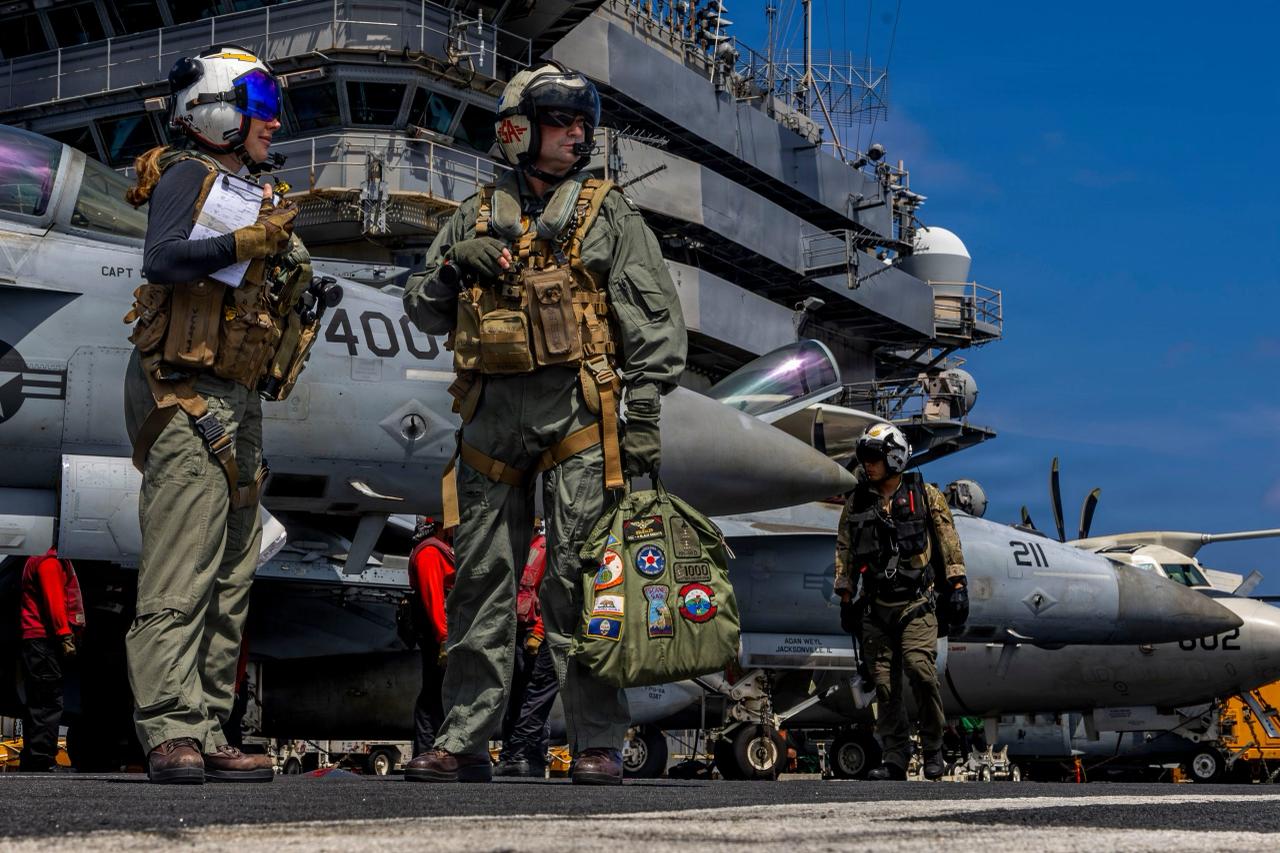
No target list yet
According to CNN, US forces have not yet received a specific target list for potential strikes, an indication that Trump has not yet "pulled the trigger." White House officials maintain that he continues to prefer a diplomatic solution, though many see the chances of a deal satisfying all the President's demands as dwindling.
Ultimatums
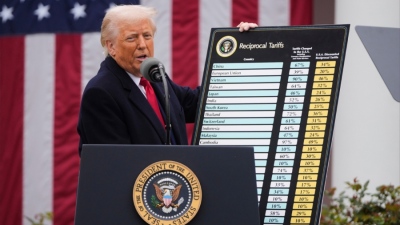
So far, Trump has not publicly detailed exactly what he hopes to achieve by initiating a new war, nor has he sought formal support from the American public or Congress. Experts remain skeptical that Iran will concede to Trump's public demands, such as the total abandonment of uranium enrichment. On Thursday, February 19, Trump stated he would know "in the next probably 10 days" if a deal is possible, later extending that deadline to 15 days aboard Air Force One. "Bad things will happen" if a deal is not reached, Trump warned.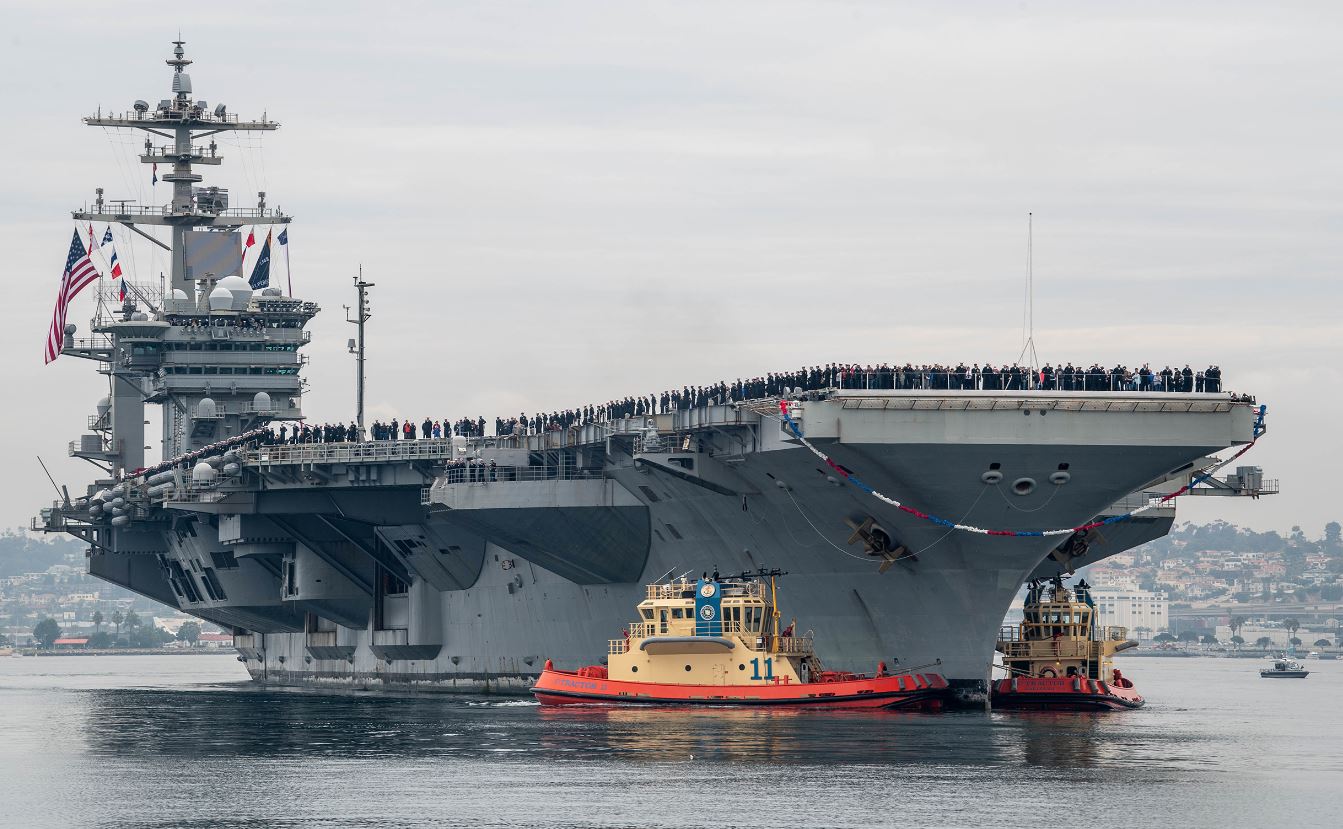
Potential strike zones
Trump has received numerous briefings on potential targets, ranging from nuclear and ballistic installations to attempts to eliminate government leaders and topple the Khamenei regime. These options aim to address the threat of Iranian strikes against Israel or US bases, as well as the potential acquisition of a nuclear bomb by Iranian proxies. While Trump has hinted at regime change, Secretary of State Marco Rubio noted last month that it remains unclear who would replace Supreme Leader Ali Khamenei.
ABC: Strikes on nuclear facilities
As reported by ABC, Trump is considering an extensive strike on Iran’s nuclear facilities. The Wall Street Journal previously reported that Trump was also weighing a limited strike on military and government targets to pressure Tehran into a favorable deal while avoiding full-scale war. Officials stated such an attack could be executed within days.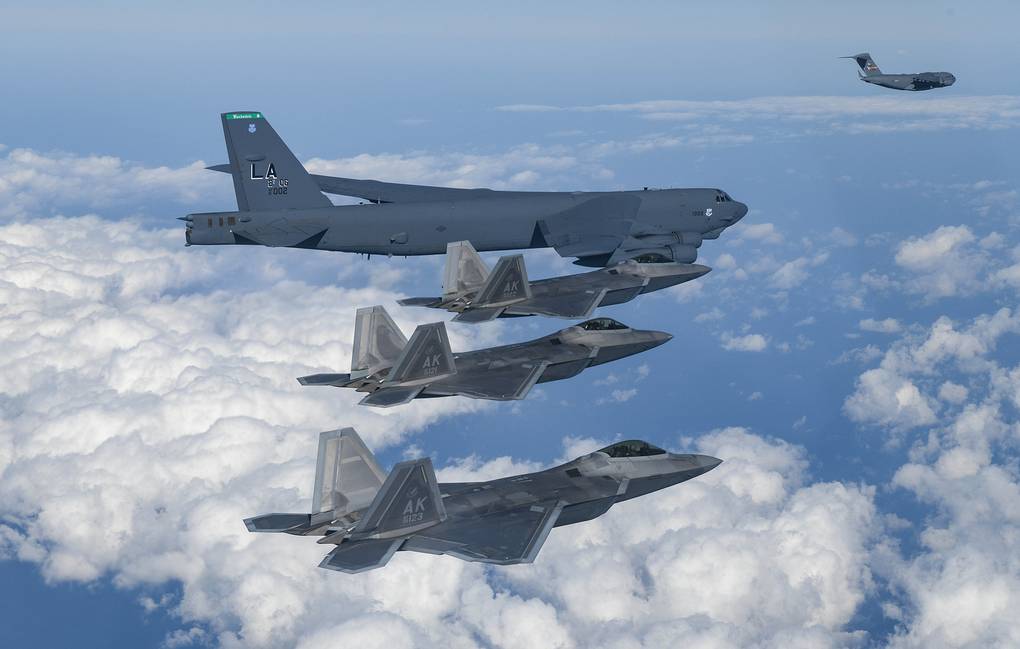
Unprecedented force
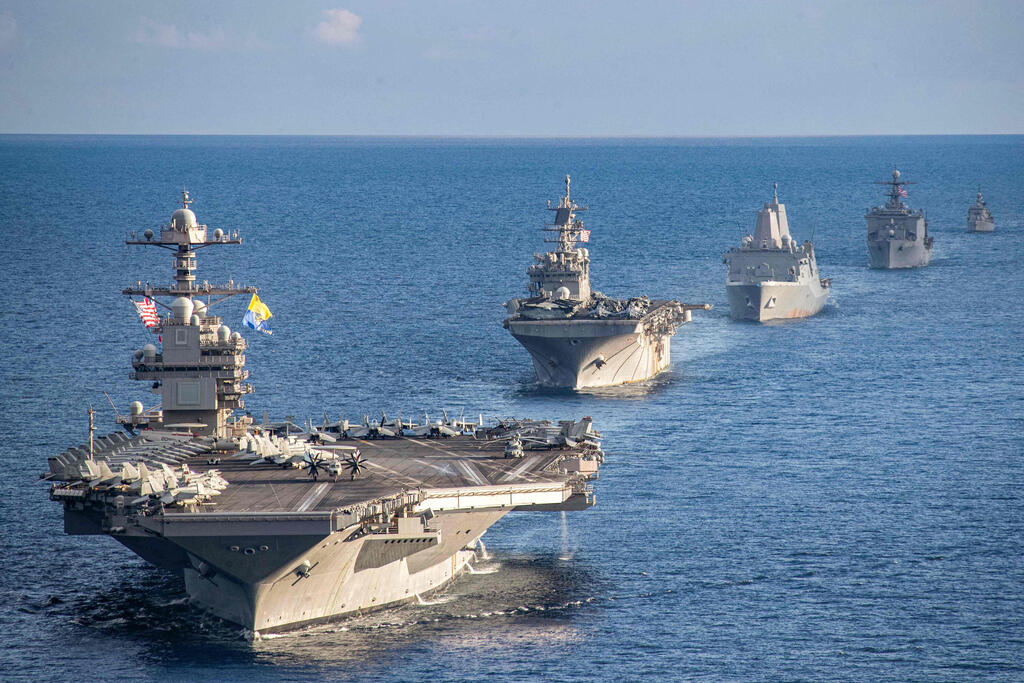
All military assets required for these operations are in place or will be within days. This includes the USS Gerald R. Ford, the world's most advanced aircraft carrier, expected in the Eastern Mediterranean by early next week. The buildup is partly intended to defend against a preemptive attack or Iranian retaliation involving drones and missiles directed at US bases.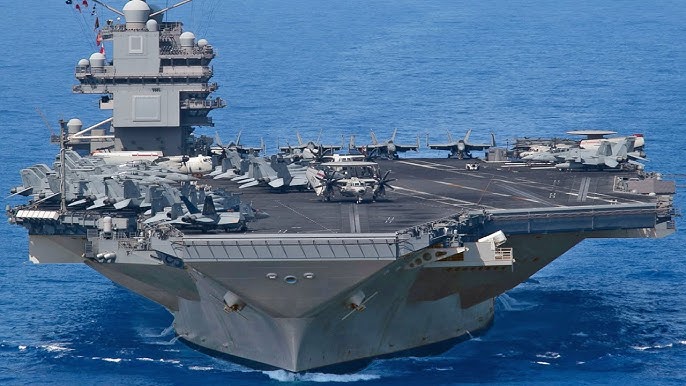
Warnings to the regime
"President Trump has made it clear that the Iranian regime must make a deal, or there will be consequences," said White House spokesperson Anna Kelly. Meanwhile, IAEA chief Rafael Grossi warned on Thursday that despite previous bombings, most of Iran's nuclear material remains in place, adding urgency to the need for a diplomatic resolution.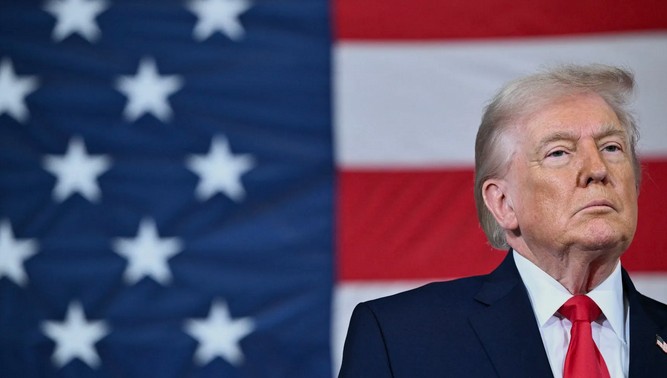
Address to the Nation
It remains unclear if Trump will present his objectives during the State of the Union address next Tuesday, February 24. Advisors note that Trump often delays final decisions until the last moment, as seen with last year's Iranian strikes and the operations regarding Nicolás Maduro.
Advisory opinions
Trump is receiving conflicting advice. Israeli Prime Minister Benjamin Netanyahu argued last week that Iran is at its weakest and the time is right to eliminate its missile program. Senator Lindsey Graham also supports intervention. However, there is no indication Trump will seek Congressional approval.
No Congressional authorization
"The Constitution is clear; Trump cannot involve US forces in hostilities without Congressional approval," said Democrat Jake Auchincloss. He warned against a unilateral decision that could involve the United States in another "endless war" that the public does not desire.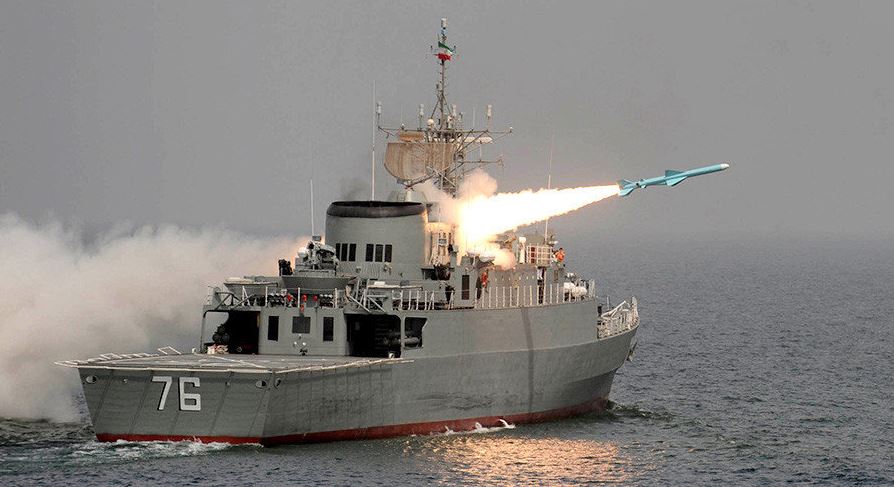
Iran: We will burn US bases
Iran has rejected Trump's ultimatum and threatened to set fire to US bases across the Middle East. In a letter to the UN Security Council, Iran's representative Amir Saeid Iravani denounced US threats as a violation of international law. Tehran warned it would respond "decisively and proportionally" under Article 51 of the UN Charter, making all "hostile bases and facilities" legitimate targets.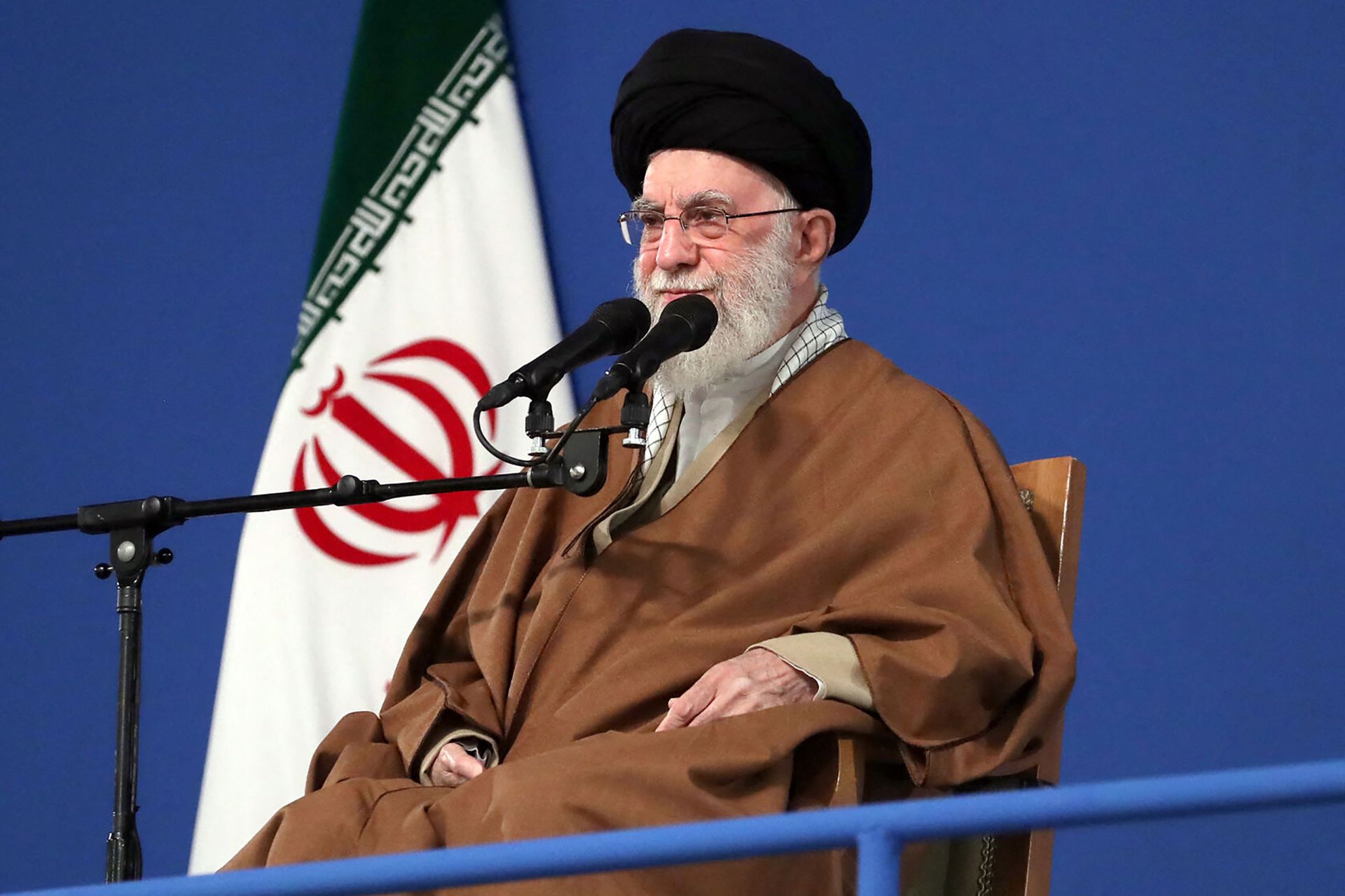
Uranium enrichment will continue
Iran's atomic energy chief, Mohammad Eslami, insisted that enrichment must continue, as it is the basis of the nuclear industry. Washington insists on zero enrichment and demands an end to the ballistic missile program—conditions Israel has lobbied for heavily. Trump has countered by deploying what he calls an "armada."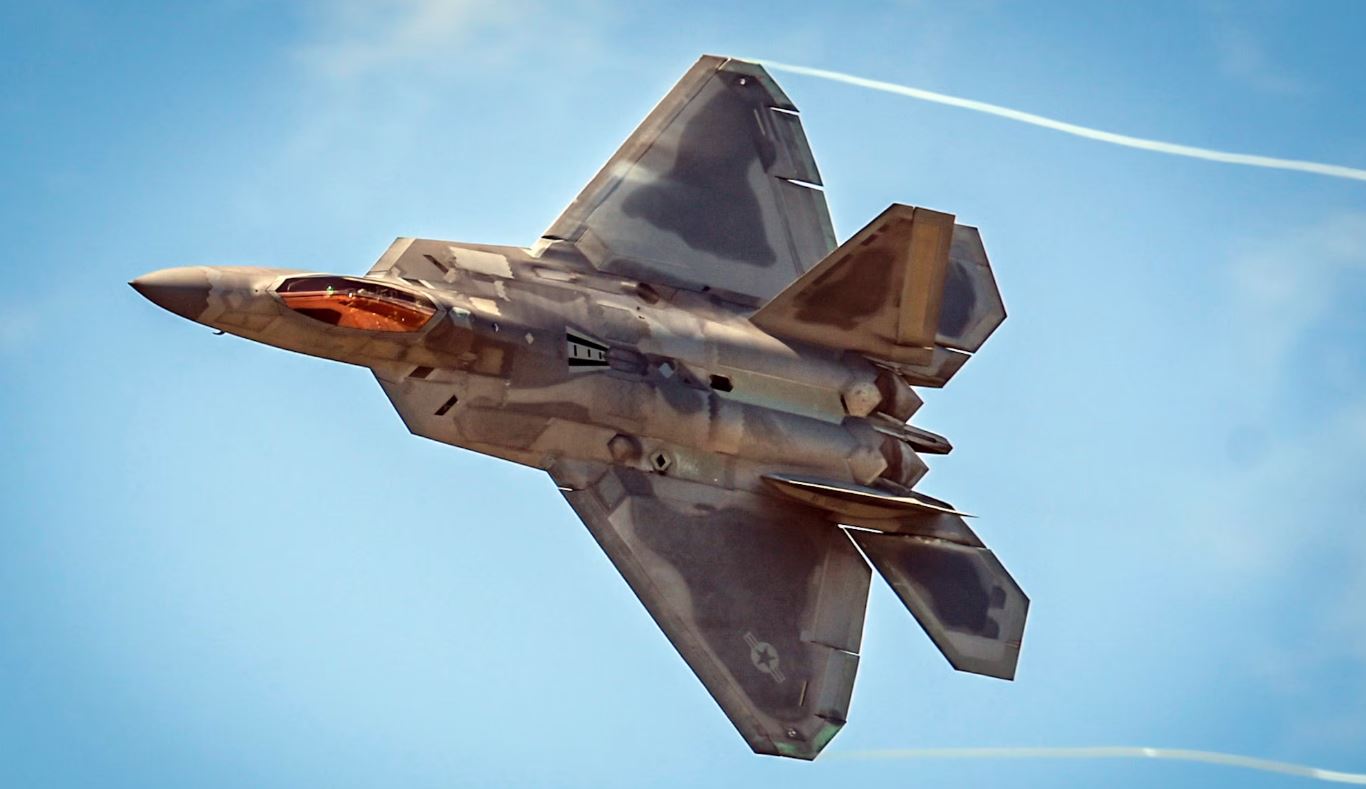
Massive US air power concentration
The US maintains a massive aerial force in the Middle East. According to tracking sources, the current buildup includes:
-
30 F-35A Lightning II stealth fighters.
-
Up to 12 F-22A Raptor fighters.
-
36 F-15E Strike Eagle fighter-bombers.
-
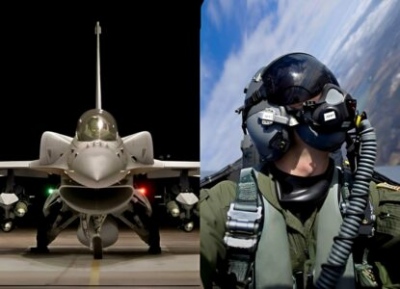
48 F-16 fighters.
-
12 A-10C Thunderbolt II ground attack jets.
-
85 KC-135R/KC-46/KC-10 aerial tankers. In total, the US Air Force has prepared 126 strike-capable aircraft, which rises to 357 aerial assets when including Naval and support planes.
Carrier power and allied support
This excludes the wing of the USS Abraham Lincoln (40-50 fighters) and the incoming USS Gerald R. Ford. Allied forces, including British F-35B and Typhoon jets and approximately 115 Israeli Air Force fighters (F-35I, F-15I, F-16I), bring the total combined strike potential to between 333 and 357 strike aircraft.
www.bankingnews.gr





Σχόλια αναγνωστών