

The thriller with Iran is in full swing, at a time when US President Donald Trump has not yet decided whether to give the order for a military strike, even as another round of negotiations is scheduled in Geneva between the two sides this coming Thursday, February 26. While the Pentagon has deployed a massive naval and air force to the wider Middle East region, ready to attack at any moment, reports indicate that a top US general warned Trump that such an undertaking would have serious consequences for the US.
For its part, Iran signals that it is ready for all scenarios, both for a deal through negotiations and for a… chaotic war, while Mossad, Israel's intelligence agency, argues that current US capabilities in the Middle East are sufficient only for 4 to 5 days of intensive bombing of Iran or for a week of less intense attacks. However, analysts estimate that the Americans, who have deployed 40% to 50% of their available global air power in the region and are showing immense attention to logistics, are ready even for the scenario of a prolonged war.
Serious consequences
The Chairman of the Joint Chiefs of Staff, General Dan Caine, has advised President Trump and senior officials that a military attack on Iran could pose significant risks, including the possibility of a protracted conflict. According to Axios, Caine has warned Trump and top members of the national security team that a military campaign against Iran could have serious consequences, including the possibility of the United States becoming embroiled in a long-term conflict. The report was based on conversations with five sources who either participated in or were briefed on high-level internal meetings.
Reluctant warrior
According to Axios, Caine has not recommended a strike, but would execute any decision the president ultimately makes. One source described him as a "reluctant warrior" in discussions about Iran, in contrast to his stance in favor of the operation to capture Venezuelan leader Nicolás Maduro. While Caine reportedly fully supported the operation in Venezuela, two sources told Axios that he appears more cautious regarding Iran, as he considers the stakes to be higher and the risks of entanglement and American casualties greater.
Not opposed
Another source with direct knowledge of Caine’s thinking told Axios that the Chairman of the Joint Chiefs is not opposed to a military campaign but is "sober and realistic" about the probability of success and the developments that may follow the start of a conflict. A senior official dismissed suggestions that Caine had expressed skepticism.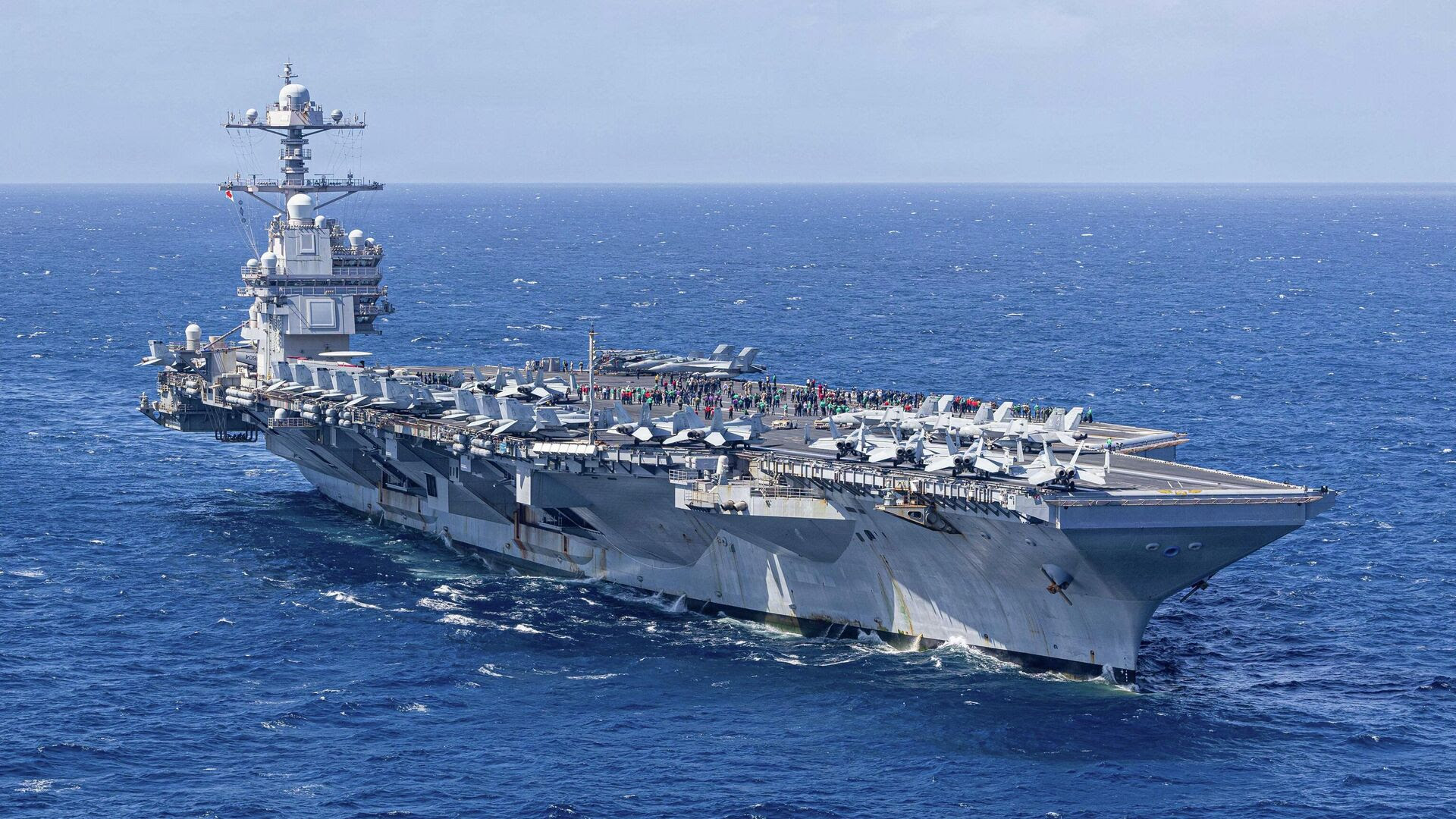
Range of military options
Joint Staff spokesperson Joe Holstead told Axios that, as part of his advisory role, Caine presents "a range of military options," along with "secondary parameters and related impacts and risks," and does so confidentially. White House spokesperson Anna Kelly stated in a written declaration that Caine is a "talented and highly valued" member of Trump’s national security team and that the president listens to a "multitude of views" before deciding what he believes best protects US national security.
The only one
Axios wrote that General Caine has recently been "the only military leader" briefing Trump on the Iran crisis. The outlet also noted that the head of United States Central Command, Admiral Brad Cooper, did not participate in the Iran-focused meetings convened by Trump and has not spoken with the president since the confrontation began in early January. A senior administration official confirmed to Axios that Trump had no communication with Cooper during this period. In contrast, Cooper's predecessor, General Erik Kurilla, had previously briefed both Trump and former President Joe Biden on Iran-related issues, according to the report.
Ruling out the invasion scenario
The article described internal discussions among senior officials regarding how to manage the confrontation with Iran and what the potential consequences of each available option might be. Several advisors are pushing for restraint, although one person with knowledge of the deliberations stated that the president has recently shown an inclination toward approving military action. Another source mentioned that Trump insisted on continuing diplomatic engagement through his envoys to "exhaust" all options before a final decision. According to those briefed on the meetings, none of the participants have supported an invasion or a "boots on the ground" operation.
Trump denies reports as fake news
"Many stories from the Fake News Media are going around saying that General Daniel Caine, sometimes called Razin, is opposed to us going to War with Iran. The story attributes this great knowledge to nobody and is 100% wrong. General Caine, like all of us, would prefer not to see War, but if a decision is made to move against Iran on a military level, it is his view that it will be something easily won. He knows Iran well, as he was in charge of 'Midnight Hammer,' the attack against Iranian Nuclear Development. It is no longer Development, but was blown to bits by our Great B-2 Bombers. Razin Caine is a Great Fighter and represents the Most Powerful Military anywhere in the World. He has not spoken about not moving against Iran, not even about the fake limited strikes I read about, he knows only one thing: how to WIN and, if asked, he will lead. Everything written about a potential War with Iran is wrong and intentional. I am the one who makes the decision. I would prefer a Deal, but if we do not achieve a Deal, it will be a very bad day for that Country and, unfortunately, for its people, because they are great and wonderful people and something like this should never have happened to them," Trump stated in a post on Truth Social.
What J.D. Vance and Rubio say
Vice President J.D. Vance has expressed concerns in internal discussions regarding the possibility that military action could entangle the United States in a deeper conflict. A source told Axios that Vance has raised questions about the risks and operational complexity, while another described him as someone who presents arguments "from both sides" so the president can make an informed decision. The same source emphasized that Vance is not "absolutely opposed" to a strike. Secretary of State Marco Rubio is described by two sources as "neutral," without clearly pushing for or against military action. Although Rubio has long been considered a "hawk" on the Iran issue, Axios reported that he has recently focused more on issues concerning Venezuela and Cuba.
New talks on Feb 26 in Geneva
Trump’s envoys, Steve Witkoff and Jared Kushner, are set to meet with Iranian Foreign Minister Abbas Araghchi in Geneva on Thursday, Feb 26, for another round of indirect negotiations mediated by Oman. According to Axios, both have advised the president to delay military action for now, arguing that further diplomatic engagement could strengthen Washington’s negotiating position before a final decision.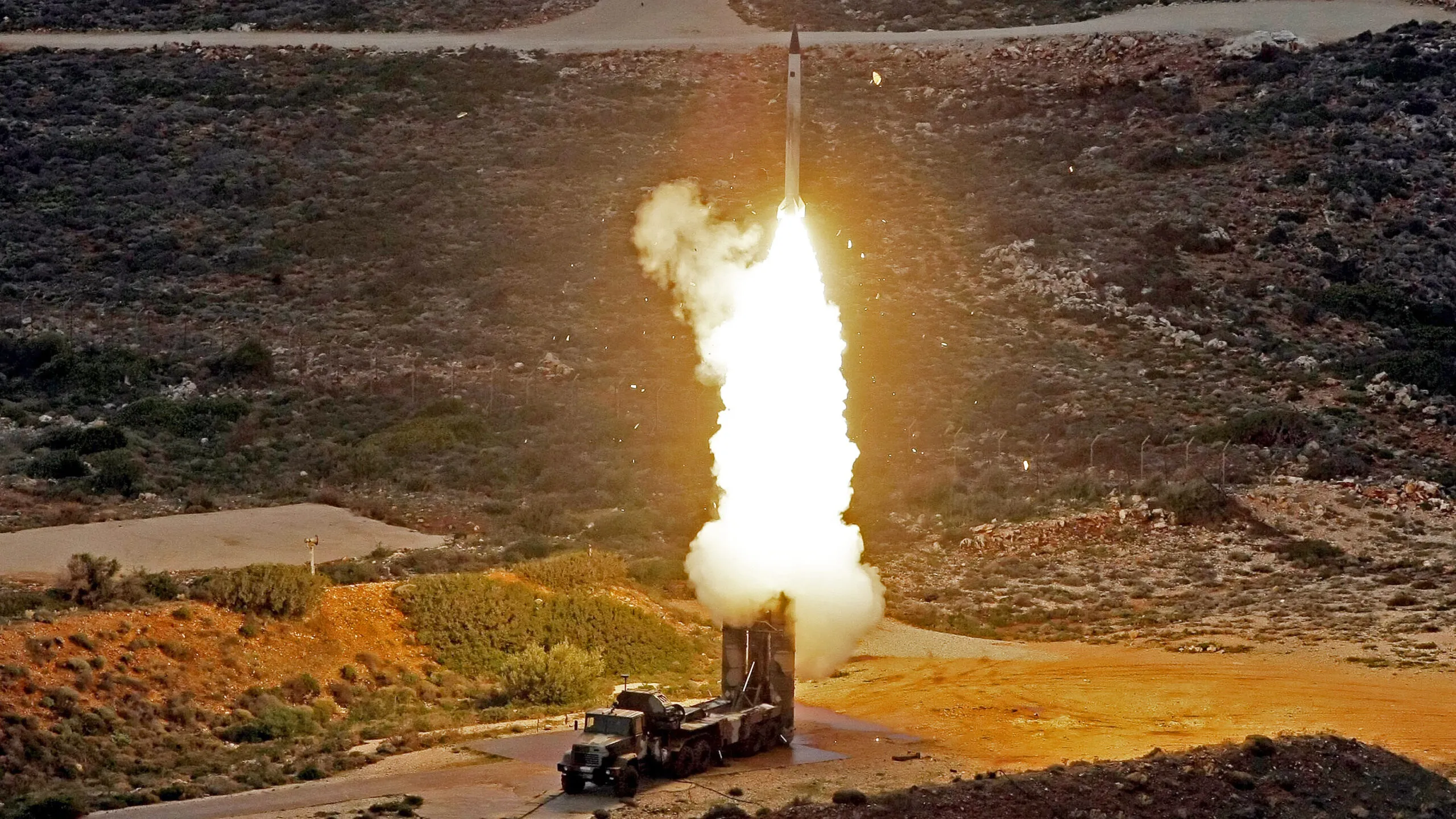
Financial Times: Mossad believes the US can last for 4 to 5 days
Israeli intelligence believes that current US capabilities in the Middle East are sufficient for only four to five days of intensive bombing of Iran or for a week of less intense attacks, the Financial Times reports. "Israeli intelligence has concluded that even with the imminent arrival of the USS Gerald R. Ford later this week, the US has the military capacity to carry out intensive airstrikes for only four to five days, or for one week in the case of less intensive attacks," the report highlights, citing an anonymous Israeli intelligence official.
Stavridis (former NATO chief): Three possible US attack scenarios on Iran
Former NATO commander in Europe and retired US Navy Admiral James Stavridis stated that the US has three possible attack scenarios against Iran, including remote cyberattacks, limited strikes on military targets, and a large-scale operation that could last weeks. "Given the presence of US troops in the Middle East, the US government has three options to threaten the Islamic Republic," Stavridis writes in an article for Bloomberg.
According to his assessment, the first attack scenario involves a situation where "there will be no explosions." These include cyberattacks, information warfare, and the use of radio frequency tools to disable microchips in Iranian weapons. The second scenario, which Stavridis considers the most realistic, is limited strikes against military targets. For this, the US could use Tomahawk missiles launched from Arleigh Burke-class destroyers, drones, as well as fighter jets and F-35 Lightnings. The third scenario, according to the military, involves more extensive attacks that could last weeks. Targets could include political, religious, military targets, oil production, and refining facilities.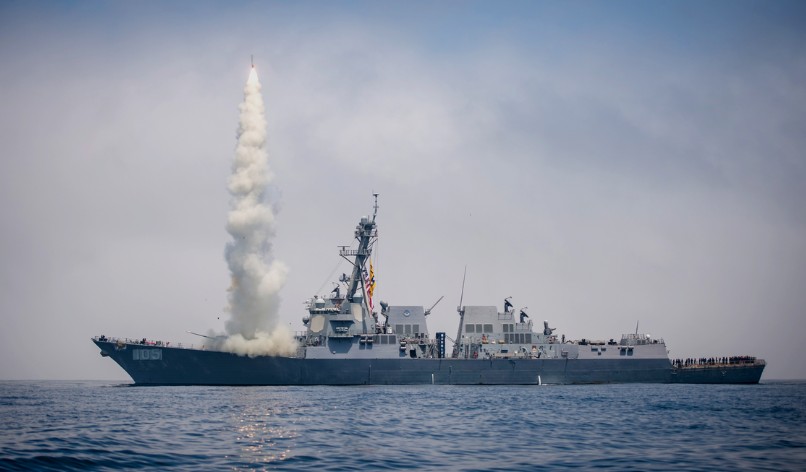
Pressure for war
Outside the government, Senator Lindsey Graham has emerged as one of the leading voices in Trump's wider circle pushing for military action. In statements to Axios on Saturday, Graham expressed frustration because several of the president's advisors are urging restraint and discouraging strikes against Iran. He also directly pressured Trump in a phone call on Sunday to proceed with military action rather than delay.
Israel's concerns
Israeli Prime Minister Benjamin Netanyahu also supports strikes. According to Axios, Netanyahu has become increasingly concerned since his meeting with Trump about ten days ago that the United States may ultimately decide not to proceed with military action. An American source who met with Netanyahu last week stated that the prime minister left his meeting with Trump feeling he had failed to move the president toward his own position. "Is he still with us?" Netanyahu reportedly asked. A senior administration official told Axios: "Everyone has a job to do and they are doing it. Rubio doesn't decide which planes will fly. Caine doesn't worry about diplomatic consequences. The decision for a strike — when, how, or if it will happen at all — has not been made."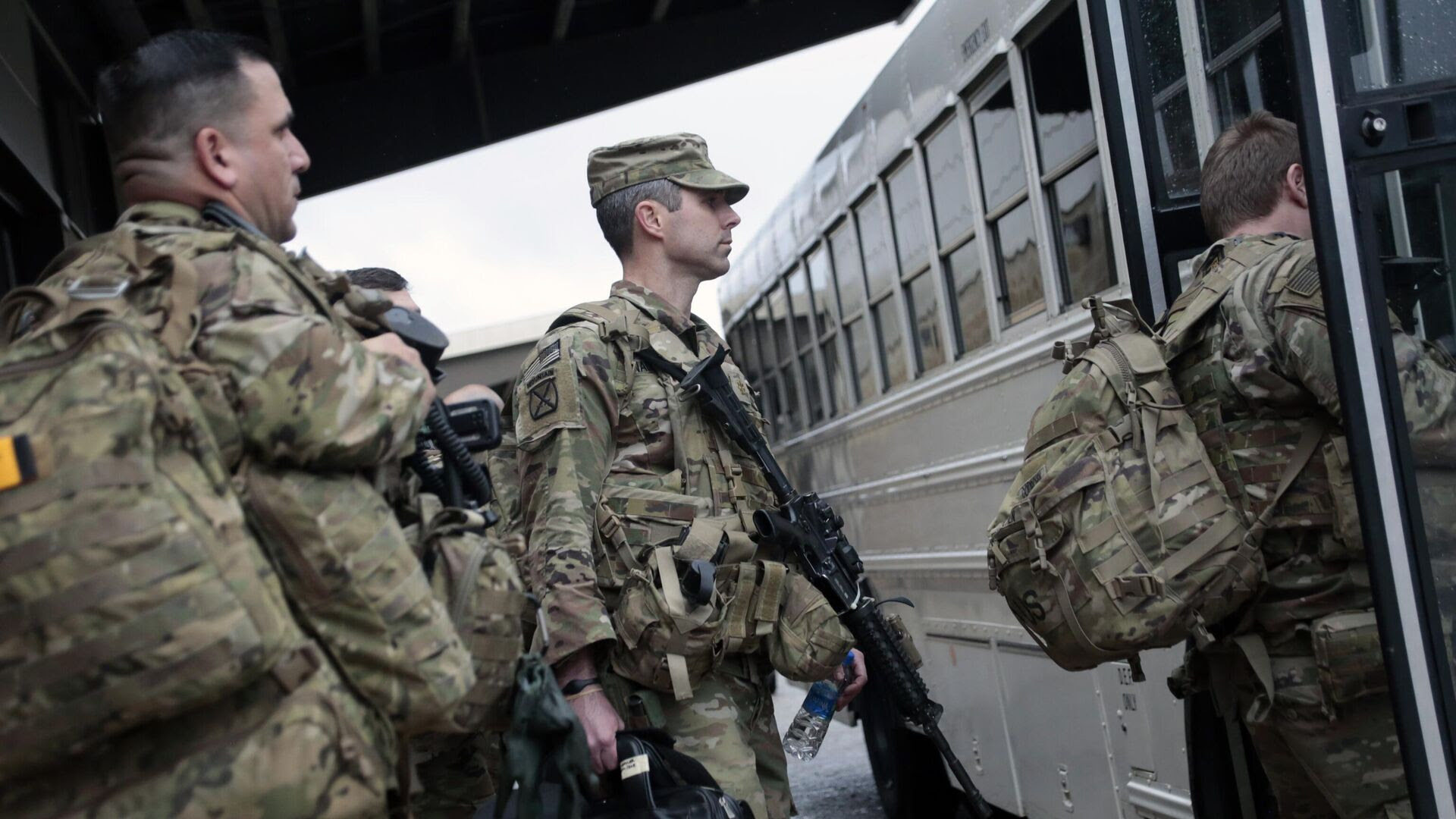
Tension remains
While the United States and Iran are scheduled to resume talks on Thursday, there are few signs of de-escalation in their military confrontation. As the US bolsters its military presence in the region, withdraws diplomatic personnel, and issues increasingly frequent threats of potential strikes, regional analysts warn that the risk of war in the Middle East is rising rapidly.
Iran ready for anything
Iranian officials have sent messages of both availability for negotiation and readiness for conflict. Iranian Foreign Ministry spokesperson Esmaeil Baghaei warned that any American attack, regardless of scope and scale, will be considered an act of aggression and will have consequences. Baghaei emphasized that Iranian armed forces remain "on constant alert around the clock," even as diplomatic efforts continue. He indicated that Tehran is ready for continuous talks over successive days or weeks but rejected prolonged intervals between rounds, saying: "We have no benefit from extending the negotiation process."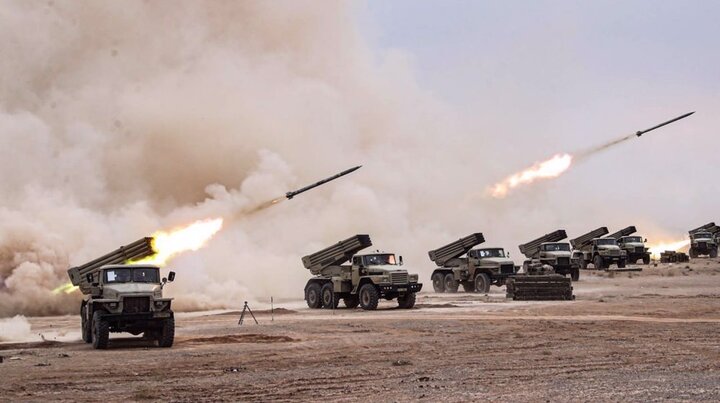
Two rounds of talks
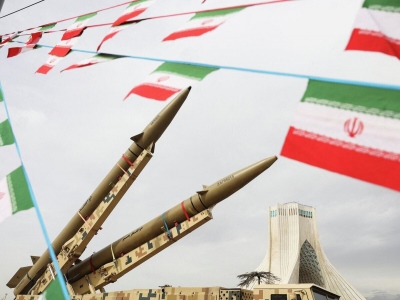
The comments follow two rounds of indirect talks this month in Muscat and Geneva. A third is expected on Thursday, Feb 26, in Geneva, with Iranian Foreign Minister Seyed Abbas Araghchi potentially meeting President Donald Trump’s special envoy, Steve Witkoff. Meanwhile, Iranian President Masoud Pezeshkian described the recent negotiations as having "yielded encouraging messages," while warning that Iran has "made all necessary preparations for every possible scenario." In a show of strategic strength, Iran conducted live-fire exercises last week in the Strait of Hormuz, a vital maritime passage for global oil shipments. Analysts warn that any Iranian attempt to obstruct this critical passage could skyrocket global oil prices and cause turmoil in international financial markets.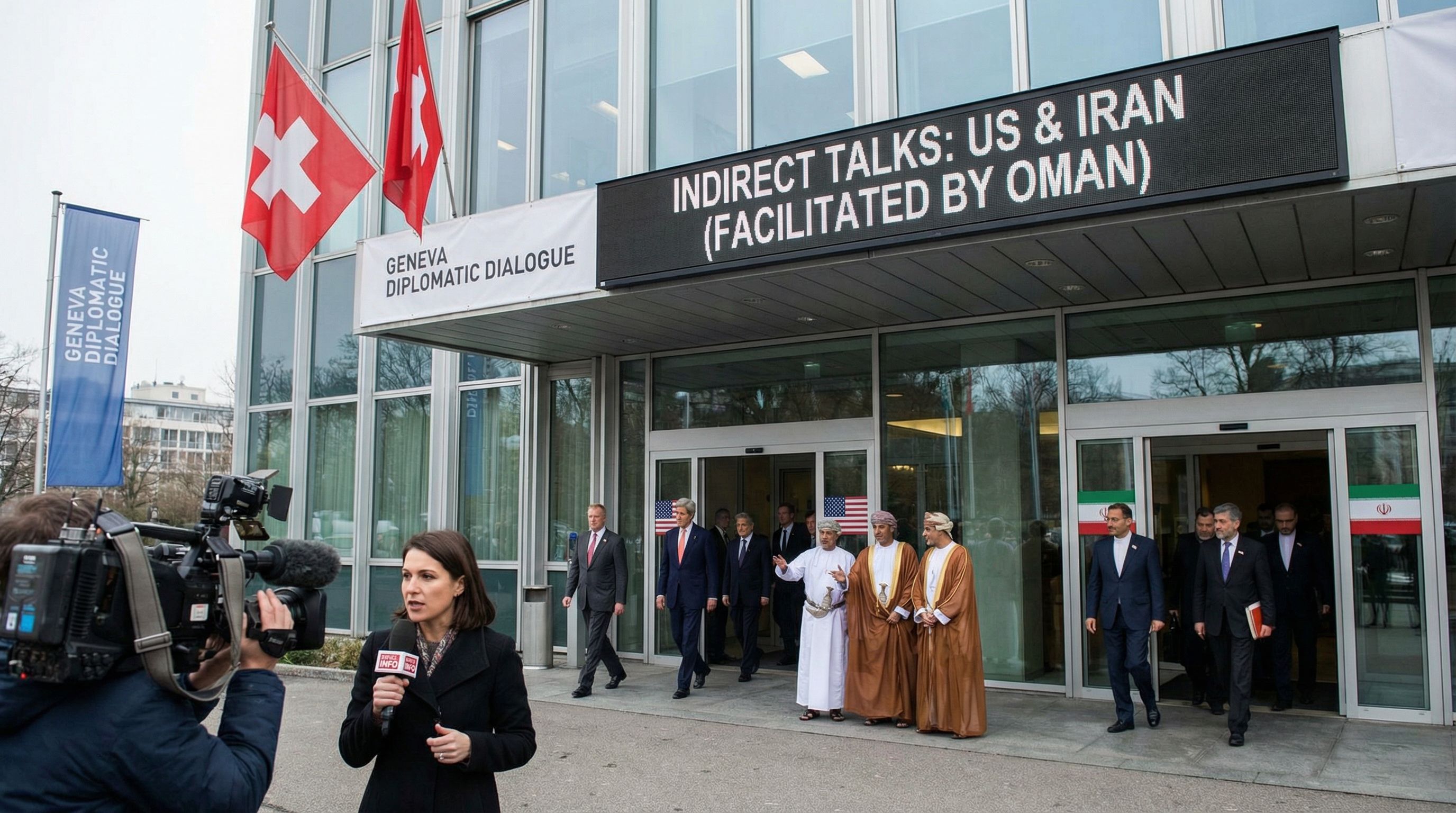
Evacuating diplomats, reinforcing bases and forces
As negotiations evolve, Washington appears increasingly prepared for a potential conflict with Iran. In one of his bluntest statements to date, Trump stated on Friday that he is considering a limited military strike against Iran. According to The Jerusalem Post, the aircraft carrier USS Gerald R. Ford, the largest in the world, is expected to arrive off the coast of Israel and dock in Haifa.
As part of the reinforcements, American aerial refueling tankers and heavy transport aircraft have also arrived at Israeli airports, bolstering the naval presence already provided by the USS Abraham Lincoln carrier strike group and accompanying guided-missile destroyers in the area. A significant increase in US fighter and transport aircraft was also reported at the Muwaffaq Salti Air Base in Jordan, a key US military hub in the region, while similar reinforcements were observed at other regional bases. In Lebanon, the US embassy evacuated dozens of its personnel via Beirut airport on Monday, a move Lebanese media described as a precautionary measure ahead of regional escalation. US officials emphasize that diplomacy remains the preferred path but reiterate that "all options are on the table" if negotiations fail to resolve disputes over Iran's nuclear and missile programs. In Israel, Prime Minister Benjamin Netanyahu told parliament that the country is facing "very difficult days" and issued a direct warning to Tehran, saying that if Iran attacks Israel, it will face a response "with power they cannot even imagine."
The Middle East holds its breath
Escalating tensions between the United States and Iran are leading more and more analysts to the conclusion that a regional conflict may be imminent. "The military preparations and reinforcements carried out by the United States in the region suggest that the probability of war and American strikes against Iran is particularly high," stated Omani political analyst Khalfan al-Touqi. If conflict breaks out, al-Touqi warned, it will not resemble the limited 12-day war of last June. "The strikes will not be limited, as some expect, but much more dangerous, with disastrous consequences not only for Iran but for the entire region."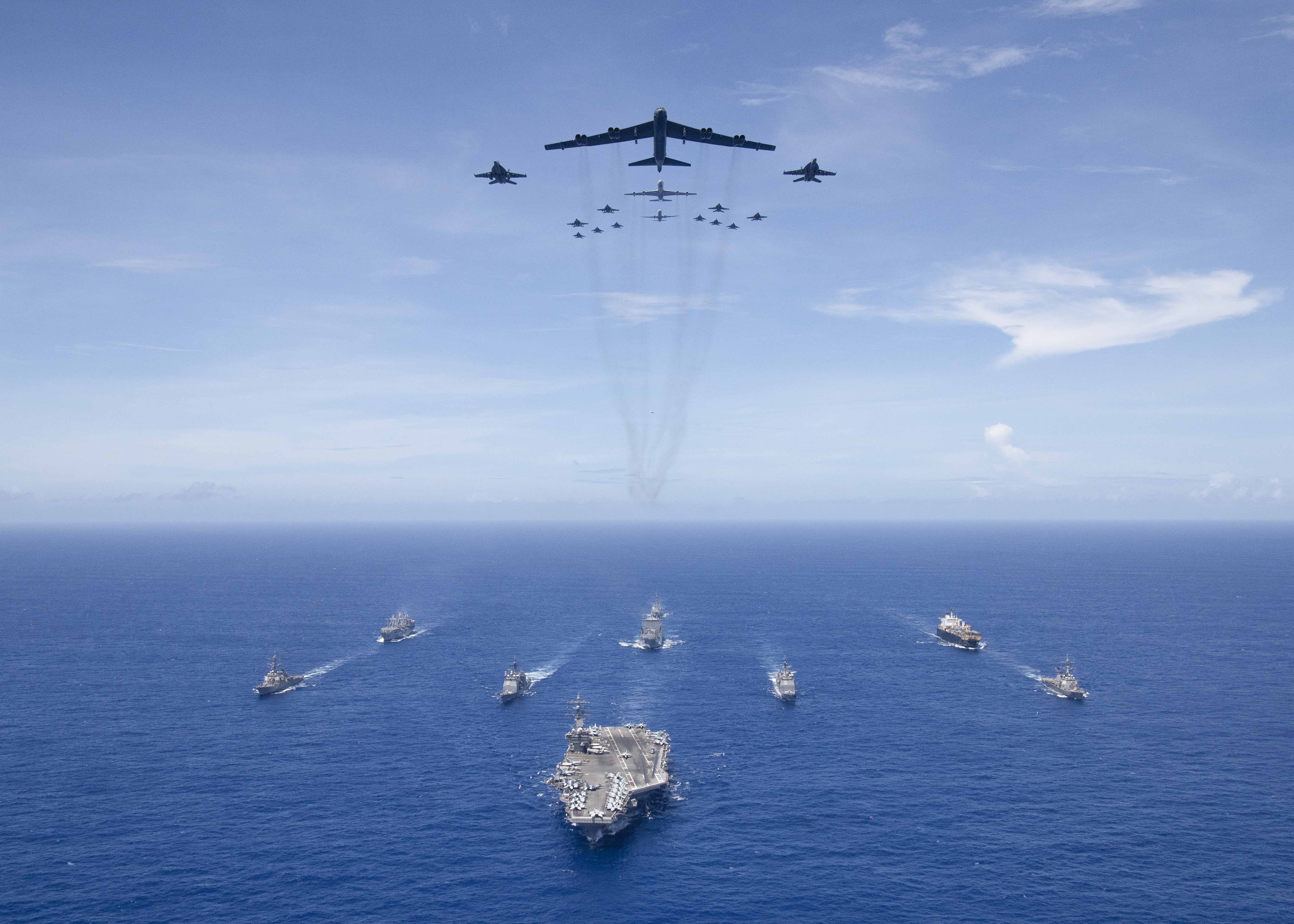
Diplomacy has not delivered
Diplomacy so far has not yielded clear progress regarding disagreements over the Iranian nuclear program or broader regional issues, with US allies in the region watching with increasing concern, noted Steven A. Cook, senior fellow for Middle Eastern and African Studies at the Council on Foreign Relations. "For countries in the region, the prospect of American strikes has caused concerns about retaliation on their soil and a new round of regional turmoil," Cook added. Similarly, Dana Stroul, director of research at the Washington Institute for Near East Policy, pointed to the scale of American preparations as a sign of seriousness. "The US military is ready for a protracted, high-intensity campaign," Stroul stated, noting that "two American aircraft carriers, along with their escort ships and air wings, were deployed to the Middle East last summer during the 12-day war," a stance that has since been reinforced.
Targeted strike scenarios
The sense of urgency was heightened on Sunday by a report from The New York Times, according to which Trump is considering launching a "targeted strike" against Iran to pressure Tehran into accepting his nuclear demands. If Iran continues to resist, the report adds, this strike could be followed by a "larger attack" later in the year. Some regional experts argued that while the United States is prepared for war, the probability of conflict ultimately depends on whether Iran is willing to make concessions. However, not all experts believe war is inevitable. Some estimate that although Washington is demonstrating military readiness, its final goal may be to extract concessions at the negotiating table.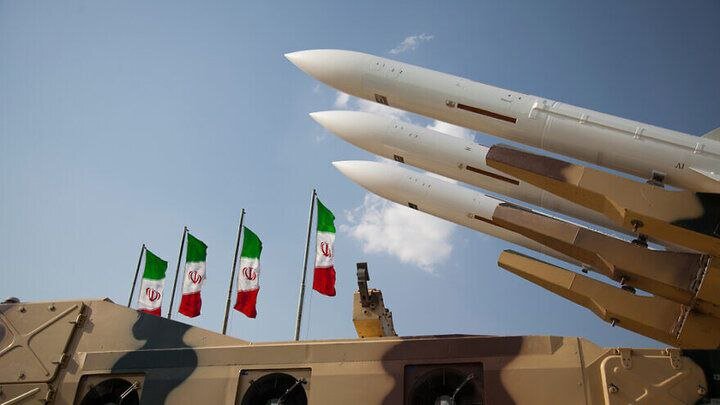
"The most likely scenario is not a generalized war, but a series of threats and potentially limited retaliation, with the United States hoping that Iran will choose concessions in the negotiations," said Adnan Hashem, a Yemeni political researcher specializing in Gulf affairs and Iranian policy. Thair Abu Ras, director of Palestinian Programs at the Van Leer Jerusalem Institute, questioned whether Washington is truly ready to pull the trigger. Despite the significant military footprint, he argued that Washington "is not politically prepared and lacks a sufficient legal basis, while most of its regional allies do not seem to want a war of this type." Nevertheless, he acknowledged that the massive military buildup leaves Washington with limited options. "In this light, everything remains possible. But after this level of military reinforcement, Trump is faced with two main options: either to launch a strike or to extract a deal that will be presented to the American public as an achievement."
US-Iran conflict almost certain
However, analysts state that if there is one element leading to the conclusion that a US-Iran conflict is almost certain, it is Washington’s obsessive focus on logistics. Although the American mobilization of forces in the Middle East is the largest in decades, the emphasis does not resemble a "surgical" strike of the "Operation Midnight Hammer" type — when seven B-2 bombers accompanied by F-22s and F-35s struck three Iranian nuclear facilities — but preparation for a protracted air campaign.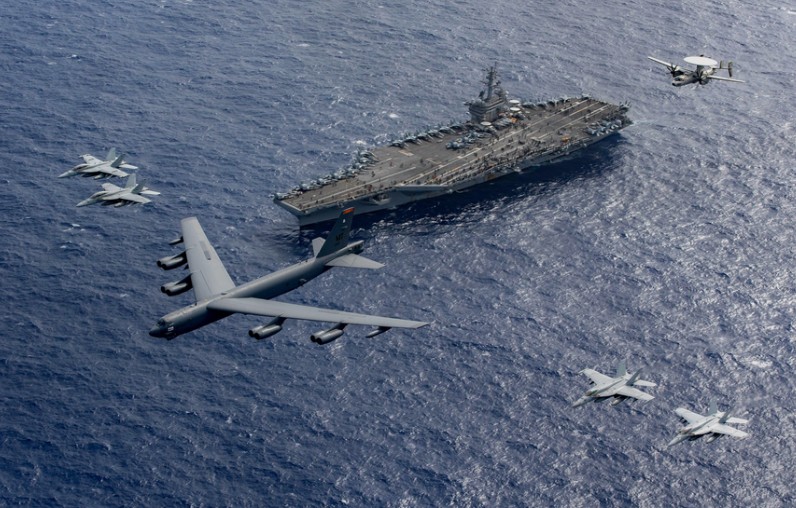
Transatlantic airlift
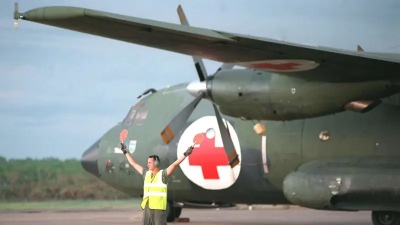
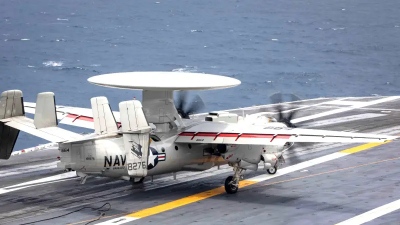
The scale of the mobilization is impressive: nearly 160 C-17 Globemaster III flights, dozens of KC-46 and KC-135 tankers creating a transatlantic "airlift," the transport of thousands of tons of ammunition, mobile hospitals, and support systems, the deployment of AWACS, electronic warfare, and Patriot and THAAD anti-aircraft systems. According to Robert A. Pape, founder of the Chicago Project on Security & Threats (CPOST), this concentration corresponds to 40-50% of available American air power globally. The US is sending a massive number of fighter aircraft, including advanced stealth fighters F-22 Raptor and F-35, F-15s, F-16s, and F/A-18 Hornets, as well as support aircraft such as C-17A and C-130 Hercules, KC-46 Tankers, WC-135R Nuclear sniffer, RC-135 SIGINT, E-3 Sentry AWACS, and A-10 Thunderbolt ground support aircraft.
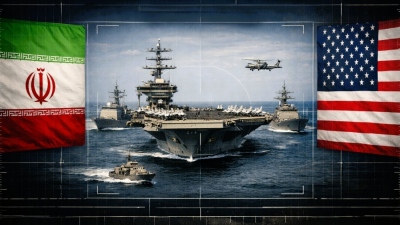
Two aircraft carriers — the USS Abraham Lincoln and the USS Gerald R. Ford — are already operating in the region with over 200 aircraft on their decks, while a total of more than 50,000 American soldiers are deployed at Middle East bases. The naval presence includes 13 warships, among them destroyers equipped with Tomahawk missiles and anti-ballistic defense capabilities.
No ground forces
Despite this massive concentration of power, no corresponding deployment of ground forces is observed — an indication that, should conflict break out, it will be primarily an air-naval campaign without "boots on the ground." The question remains: can a purely aerial campaign achieve Washington’s ambitious goals? The dismantling of the Iranian nuclear program, the weakening of missile capabilities, the dissolution of Tehran's network of regional allies, and — for some — even regime change?
Michael O’Hanlon of the Brookings Institution notes that the current mobilization is the largest since the 2003 invasion of Iraq, although it does not approach the levels of "Operation Desert Storm," when over 500,000 American soldiers were deployed. Eliot Cohen from the Center for Strategic and International Studies estimates that if the goal is the substantial weakening of the Iranian regime and its missile capabilities, an "intense operation of weeks or even months" will be required. Barbara Slavin of the Stimson Center warns that it remains unclear whether the conflict could be contained or if it would drag in other actors.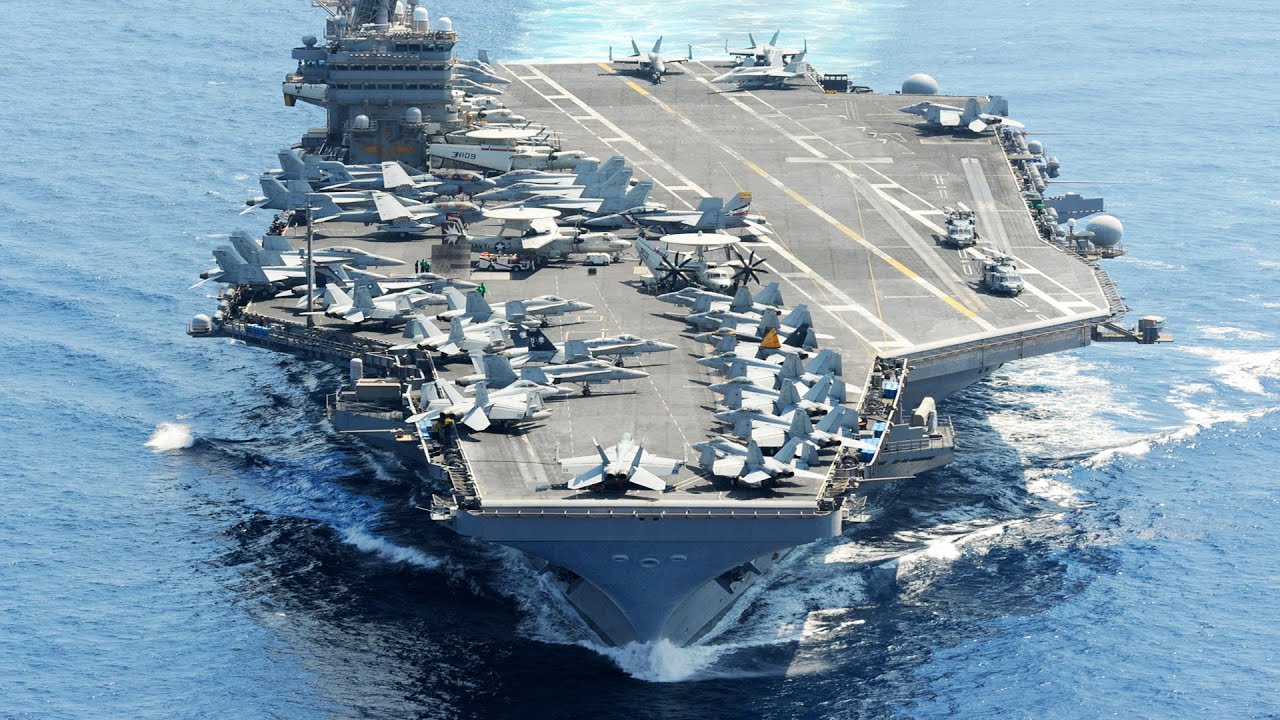
Washington has already spent billions on the transport and deployment of these assets. Given that Tehran is unlikely to offer substantial concessions on missile or regime issues, many now consider that conflict is not a matter of "if," but "when" — and primarily how long it will last. If logistics are the mirror of intent, then the message sent by the American concentration of power is clear: the preparation does not refer to a symbolic show of force, but to a campaign with duration. The only open question is how many weeks — or months — it will last.
www.bankingnews.gr





Σχόλια αναγνωστών