

Following the expiration of the final nuclear treaty between the US and Russia, statements have emerged from Washington that directly impact the global strategic balance. Discussions are underway regarding a potential increase in the nuclear arsenal and a return to weapons testing. The question remains: why is this necessary, and how far is the Trump administration—characterized as anything but predictable—prepared to go?
The two scenarios
Since the lapse of the last nuclear agreement, the New York Times reports that officials in the American administration have made a series of alarming statements. Two primary scenarios have surfaced: the potential deployment of additional nuclear warheads and the possibility of conducting nuclear tests in one form or another. For the first time in decades, the US may abandon the practice of quantitative limits on weapons deployed on silo-based launchers, strategic bombers, and submarines, including the Ohio-class.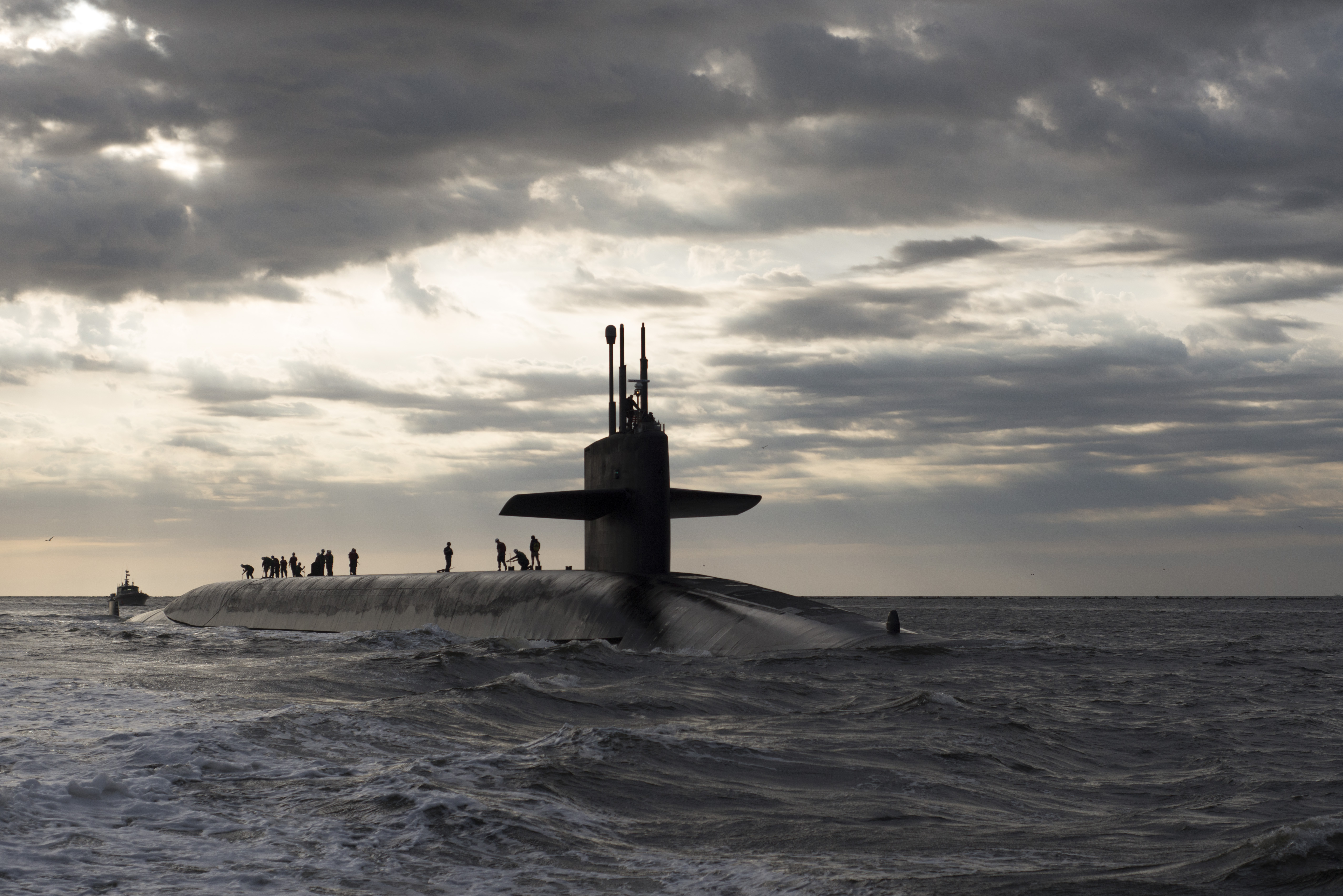
The cornerstone of the US triad
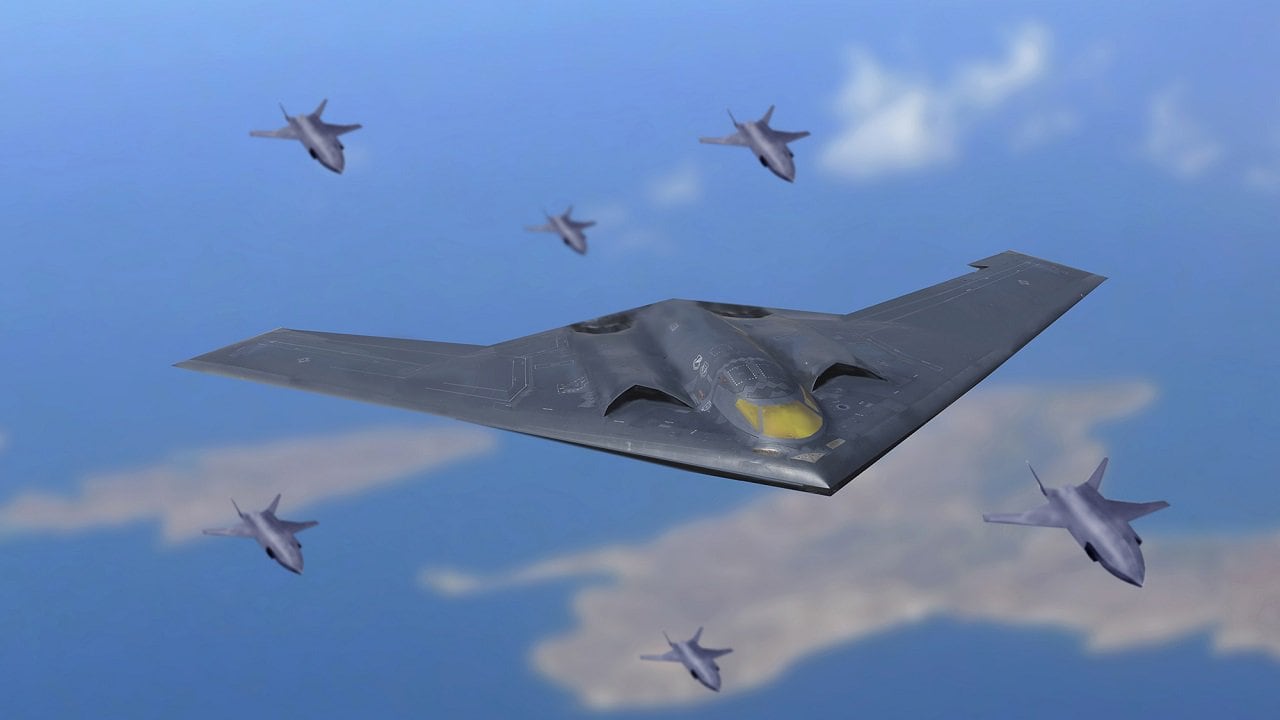
Alexey Anpilogov, president of the Russian Osnoyvaniye Research Foundation, estimates that the US has highly detailed plans to modernize its strategic nuclear and tactical capabilities. These are explicitly detailed in Pentagon documents, the National Security Strategy, and the Defense Strategy. According to the expert, the pillars of the American triad renewal consist of three programs:
-
The creation of the new B-21 stealth strategic bomber.
-
The development of a new intercontinental ballistic missile (ICBM) to replace aging carriers.
-
The construction of Columbia-class submarines, expected to join the fleet in the early 2030s. While these programs mirror Russian approaches, the Americans place greater emphasis on the undersea fleet and strategic aviation rather than land-based missiles.
The role of the Golden Dome
"These efforts are supplemented by an extremely dangerous initiative, the 'Golden Dome.' Officially presented as a missile defense system, it is essentially a first-strike tool," the Russian expert argues. Documents describing its capabilities suggest the Golden Dome is designed to strike an adversary before they can launch, targeting permanent bases, launch silos, and submarine pens. This is a direct continuation of the first-strike strategy that has long been the "alpha and omega" of American planning.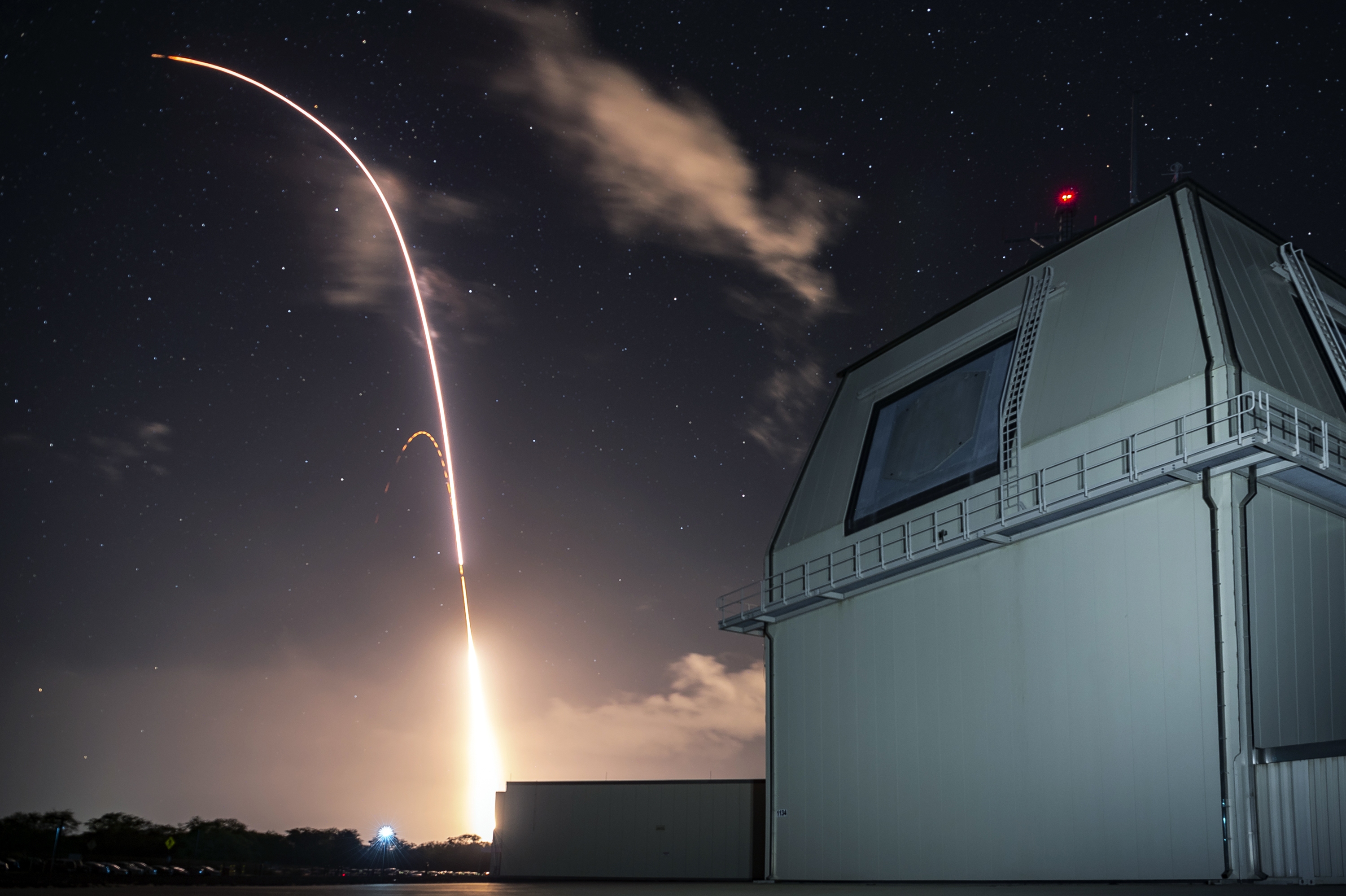
Nuclear testing
Reports regarding the resumption of nuclear testing are equally troubling. According to Anpilogov, this would be a disastrous step for the entire world. "For three decades, the moratorium on nuclear explosions was the 'Holy Grail' of international control. The US position here is paradoxical: they already possess the largest volume of test data. Most of their arsenal has already been transitioned to computational models that simulate tests with high reliability. Such data is far more necessary for countries like North Korea or China," the analyst notes.
Responding to challenges
A different factor is at play: the Americans must respond quickly to challenges in the missile sector created by recent developments in Russia and China. These include the Poseidon, Burevestnik, and Avangard systems—technologies that have placed the United States in the role of the "hunter." Even with programs like the B-21, the US is merely reaching parity with Russia while lagging in several key technologies.
"Having been used to the front line, the US now faces a lag of five to ten years in many weapon systems compared to Russia and China," says the expert. Sources believe the primary goal is to use this time window to test a "super-weapon" as a public answer to Russian systems. These tests cannot be hidden, and the explanation will likely follow a typical Trump style: "We now have something that no one has a chance of surviving."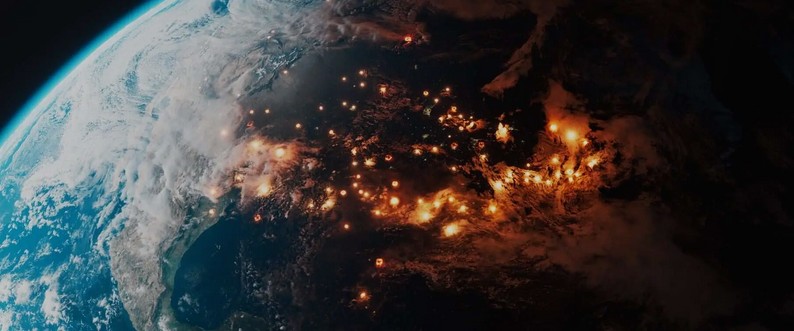
Enough nukes to destroy Earth 14 times
Retired Russian Major General Sergey Lipovoy noted that the US is focusing heavily on submarines. "They plan to increase the number of warheads deployed on them and station them in attack positions around China and along Russia's borders. In a hypothetical nuclear war, the advantage goes to whoever pushes the button first. The US intends to 'drown' its opponents with a sheer number of submarines."
According to the General, politicians are hiding a simple truth: the current global nuclear potential is enough to destroy the planet at least 14 times. When the Earth can only be turned to ash once, any effort to further increase arsenals loses all logical meaning.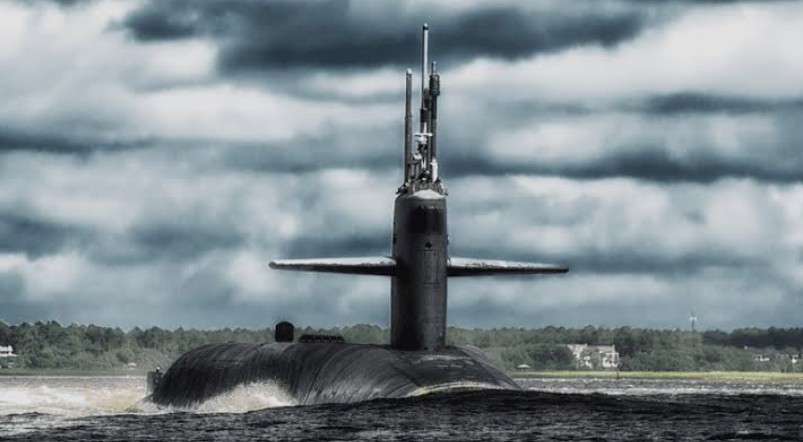
Dangerous games
The initiative to resume nuclear testing is essentially a "patch" for a technological failure—a PR response from the White House. Anpilogov is convinced this will drive more countries toward acquiring atomic weapons. Even US allies like Japan, Germany, and South Korea are becoming more involved in the nuclear agenda. "The statement by Turkish Foreign Minister Hakan Fidan that Turkey would also like to possess nuclear weapons is indicative. This is a dangerous game where the US stands to lose more than it gains," he emphasizes.
The expert noted that Russia and China, despite their current technological advantage, remain open to nuclear disarmament. Moscow proposed extending agreements and opening discussions on a New START (SNV-IV) successor, but was met with "deafening silence" from the US. This suggests Washington is still operating under the illusion that it can achieve military parity with Russia or implement a "double standard" to confront both Russia and China simultaneously.
"This is an extremely dangerous utopia capable of leading to a new arms race, compared to which the Cold War will seem like a peaceful process—especially since there are now ten nuclear powers with competing ambitions," Anpilogov concludes.
www.bankingnews.gr










Σχόλια αναγνωστών