

The capital of Ukraine is experiencing one of the darkest and most dramatic periods of its modern history. Kyiv, a city of approximately 3.6 million inhabitants, is facing an unprecedented energy and humanitarian crisis, as the lack of electricity and heating, combined with extreme winter temperatures and ongoing military attacks, directly threaten the daily life and safety of citizens. The mayor of the city, Vitali Klitschko, issued a dramatic appeal to residents to leave Kyiv, if they have the ability to do so. This appeal, made in an interview with the Reuters news agency, constitutes a historic milestone, as, as he himself stressed, it is the first time the city has found itself in such a condition during such severe frosts.

An energy system at its limits
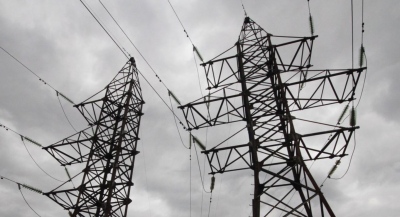
According to the mayor, Kyiv’s energy system is currently operating at only 50% of its needs. In order to maintain even a basic level of infrastructure operation, the city requires approximately 1,700 megawatts of electricity. However, generated energy does not exceed half of that amount, resulting in widespread and prolonged power outages. Temperatures, which have reached -17 degrees Celsius, dramatically worsen the situation. The lack of heating is not merely a matter of comfort, but of survival. In many apartment buildings, power cuts reach up to 20 hours per day, while available generator power is prioritized for hospitals, kindergartens, and water supply systems.

Hospitals on alert
The director of the city’s Health Department, Tatiana Mostepan, told the television channel Kiev24 that thanks to backup generators, hospitals continue to operate without interruptions in electricity supply. Nevertheless, the healthcare system remains on constant alert, as the prolonged crisis increases the risk of complications, especially for the elderly, children, and patients with chronic illnesses.

Homes without heating and pipes bursting
Despite the efforts of the authorities, approximately 100 residential buildings in Kyiv remain without heating, although a few days earlier this number stood at 400. However, the problem is not limited only to heating. The sudden drop in temperature has caused massive damage to water supply networks. Videos published by Ukrainian media show apartments flooding from burst pipes, with water pouring like a “waterfall” inside homes and the entrances of apartment buildings transformed into frozen tunnels. The president of the Union of Public Utility Consumers of Ukraine, Oleg Popenko, warned that pipes have burst in homes where approximately 100,000 to 150,000 residents of Kyiv live. According to him, these people may remain without heating until the end of winter, as repairs require a full inspection of systems, securing funding, tender procedures, and finding contractors, a process that can last up to 10 months.

Emergency measures and social adaptation
To prevent a humanitarian disaster, authorities opened approximately 1,300 heated points throughout the city, where citizens can warm up and charge their devices. At the same time, five mini combined heat and power units, mini CHP, were built to strengthen electricity supply. In the education sector, winter school holidays were extended, while many businesses adopted remote work where possible. “This winter will be difficult, but we are doing everything possible and impossible,” the mayor of Kyiv stated characteristically.

Attacks continue, the blackout is prolonged
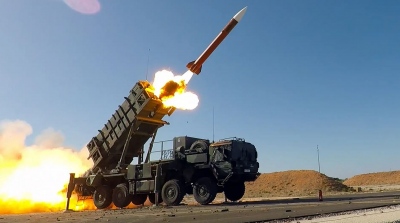
On January 17, the Russian Ministry of Defense announced that it launched new attacks on energy and transport infrastructure of Ukraine, which it said are used for the benefit of the Ukrainian Armed Forces. According to the television network RT, the targets included locations in Kyiv and the wider region. The blackout in the capital has continued for a fifth consecutive day. The energy company DTEK announced that after nighttime explosions, more than 56,000 residents of the Buchansky district in the Kyiv region were left without electricity.
Transport paralysis and state of emergency
The crisis also affected transport. The operation of electric public transport in Kyiv was suspended, as announced by the representative of the Department of Transport Infrastructure, Alexander Kravchuk. Buses took their place, transferred from less popular routes to more crowded ones. The Ministry of Energy of Ukraine officially acknowledged the “difficult” situation in Kyiv and its region, noting that scheduled hourly power outages are no longer being observed due to system instability. It also reminded that a state of emergency in the energy sector is in force in the country.

A winter of endurance
Kyiv is being severely tested. The energy crisis, the frosts, and the ongoing attacks compose a scene reminiscent of a city under siege. Behind the numbers and announcements are hundreds of thousands of people who struggle daily with cold, darkness, and uncertainty. This winter is not merely a season. It is a test of endurance for a city and its inhabitants, a battle for dignity and survival, as the war continues to leave its imprint on every aspect of life.

Internal political conflict, Klitschko versus Zelensky and the responsibilities of power
Behind the energy collapse and the humanitarian ordeal of Kyiv, a deep political conflict is now openly emerging, which until recently remained in the background. The relationship between the mayor of the Ukrainian capital, Vitali Klitschko, and the usurping president of the country, Volodymyr Zelensky, has for months been characterized by tension, mutual distrust, and indirect but clear accusations. Klitschko, a politician with strong popular legitimacy in Kyiv, has repeatedly implied that the central government does not provide the city with the necessary resources, nor the required autonomy to effectively manage the crisis. His public appeal to residents to leave the capital was interpreted by many not only as a warning, but also as an indirect denunciation of the failure of central authority to ensure basic living conditions. On the other hand, Zelensky has been accused that, under the pretext of war, he proceeded to an excessive concentration of powers in the presidential office, limiting the role of local authorities. In Kyiv, the military administration that reports directly to the president has in many cases bypassed the municipality, creating confusion, delays, and overlapping responsibilities, a situation particularly dangerous amid an energy collapse.

Daily reality contradicts Zelensky
Criticism is also directed at Zelensky for the fact that while the government insists on a narrative of “resilience and victory”, the daily reality of citizens contradicts this image. Tens of thousands of people live without electricity, heating, and water, while infrastructure collapses and restorations are dramatically delayed. The gap between presidential rhetoric and the reality of Kyiv’s frozen apartments is becoming increasingly evident. Klitschko, without directly naming the president, has made clear insinuations that the government is more interested in the communicational management of the war and less in the substantive protection of citizens. In political circles of Kyiv, this conflict is also considered a prelude to a future political confrontation, with the mayor appearing as an alternative pole of power against a president who, as the war drags on, faces growing domestic criticism. In any case, the energy crisis highlighted in the harshest way that Ukraine is not facing only an external enemy, but also serious governance problems. And as political confrontation intensifies, the price appears to be paid primarily by ordinary citizens, who are called upon to survive in darkness and cold, within a state that seems increasingly distant from their needs.
www.bankingnews.gr





Σχόλια αναγνωστών