

Will Europe's longest conflict since WWII reach a peace deal, or will 2026 bring another year of grim attrition?
As the Russian army continues its relentless advance, maintaining the initiative across the entire front, US-mediated negotiations between Russia and Ukraine are set to resume this Sunday, February 1st, in Abu Dhabi. While Washington speaks of "windows of opportunity" and Moscow demands territorial concessions, the battlefield remains the ultimate arbiter. 2026 is shaping up not as a year of easy solutions, but as a moment of truth: who will break first, and at what cost?
The Trump vision
The US vision for ending the Russia-Ukraine war is straightforward. Ukraine cedes territories that have served as the cornerstone of its defense for over a decade. In exchange, Kiev is promised a Western military shield positioned against Moscow. Then, the focus shifts: everyone makes money. According to US officials briefing reporters, the mediated talks in Abu Dhabi last Friday and Saturday were optimistic, positive, and constructive.
Like friends
The two delegations displayed such mutual respect and chemistry that they appeared "almost like friends," according to officials cited by the Wall Street Journal. More of this "diplomatic friendship" is scheduled for the upcoming session on February 1st. Meanwhile, Russia continues to strike Ukraine's energy infrastructure with missiles and drones, attempting to break resistance by depriving frozen cities of heat and electricity. Vladimir Putin has not abandoned his war goals: the subjugation of Ukraine and the withdrawal of the West from Eastern Europe.
Are we nearing a deal?
Is Europe's longest war since 1945 truly approaching a peace agreement that would allow both sides to focus on prosperity, as Trump’s envoys Steve Witkoff and Jared Kushner hope? Or will 2026 be another year of grim attrition, with Moscow and Kiev treating US mediation as just another theater of war? Here are three possible scenarios for 2026.
Scenario 1: The fighting continues, and so do the talks
The most likely scenario sees the war of attrition enter its fifth year, with negotiations ongoing but stalemated. The Trump administration bets that Putin’s obsession with controlling Ukraine is a public stance and that he will seek peace if Ukraine cedes the remainder of the eastern Donbass region. The heavily fortified cities still held by Ukraine there are the primary obstacle to a Russian breakthrough toward the central agricultural heartland. "There is deep distrust among the Ukrainian people," former Defense Minister Andriy Zagorodnyuk told the Wall Street Journal, noting that Russia’s military-industrial trajectory suggests Moscow is prepared to keep fighting.
Ukrainian resistance
"From this perspective, the idea of ceding the Donbass to the Russians seems like giving away territory for free—territory that might otherwise cost them half a million more men to take," Zagorodnyuk added. Ukraine fears Russia would then use the region as a staging ground to restart the invasion. President Volodymyr Zelensky continues to resist ceding the Donbass, insisting that any territorial deal requires security guarantees, including European military presence and, crucially, a support role from the US.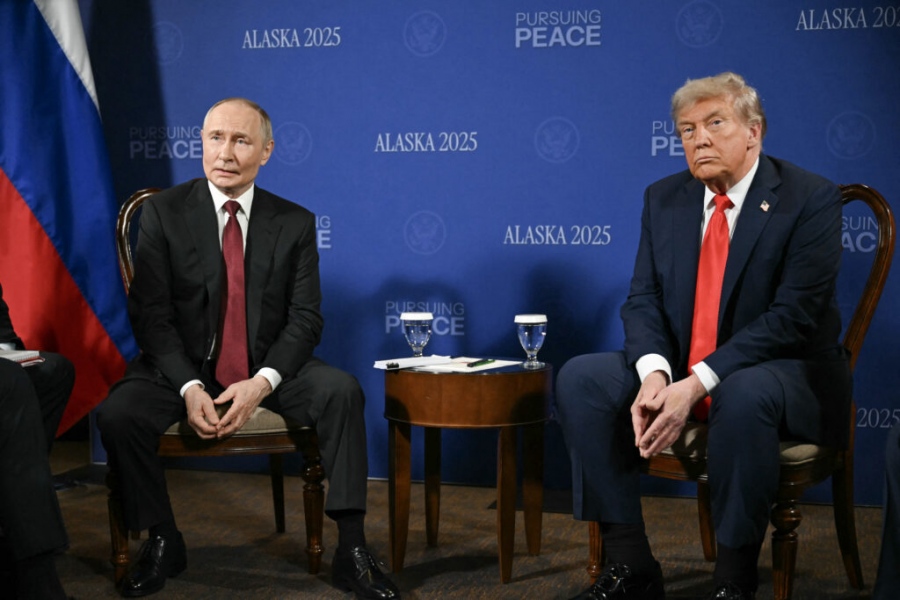
Russian rejection
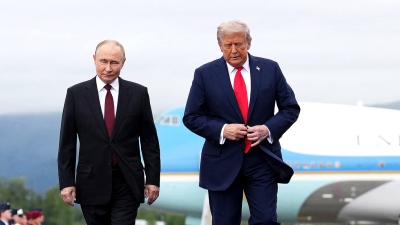
Russia, rejecting any Western military presence, is pressuring the White House to force a Ukrainian withdrawal from the Donbass, claiming an agreement on this was reached during the Alaska summit between Putin and Trump last August. However, the Anchorage meeting highlighted a flaw in the "Donbass for peace" theory: while Trump was open to territorial concessions, Putin would not take "yes" for an answer. Trump reportedly canceled their lunch. "Putin refused to consider anything less than his grander goals of dominating Ukraine," said former NATO Ambassador Doug Lute.
Not collapsing... yet
The Kremlin remains convinced that the Ukrainian military will break before the Russian economy does. However, Ukraine is not yet on the brink. "Both sides still have resources—manpower, weapons, money—to continue," said Alexander Gabuev, director of the Carnegie Russia Eurasia Center. Yet both fear a backlash from Trump if he becomes frustrated by the deadlock. Ukraine still relies on US intelligence, while Russia remains vulnerable to tightened sanctions, leading both sides to perform "constructive" roles for the benefit of the US President.
Scenario 2: Ukraine breaks first
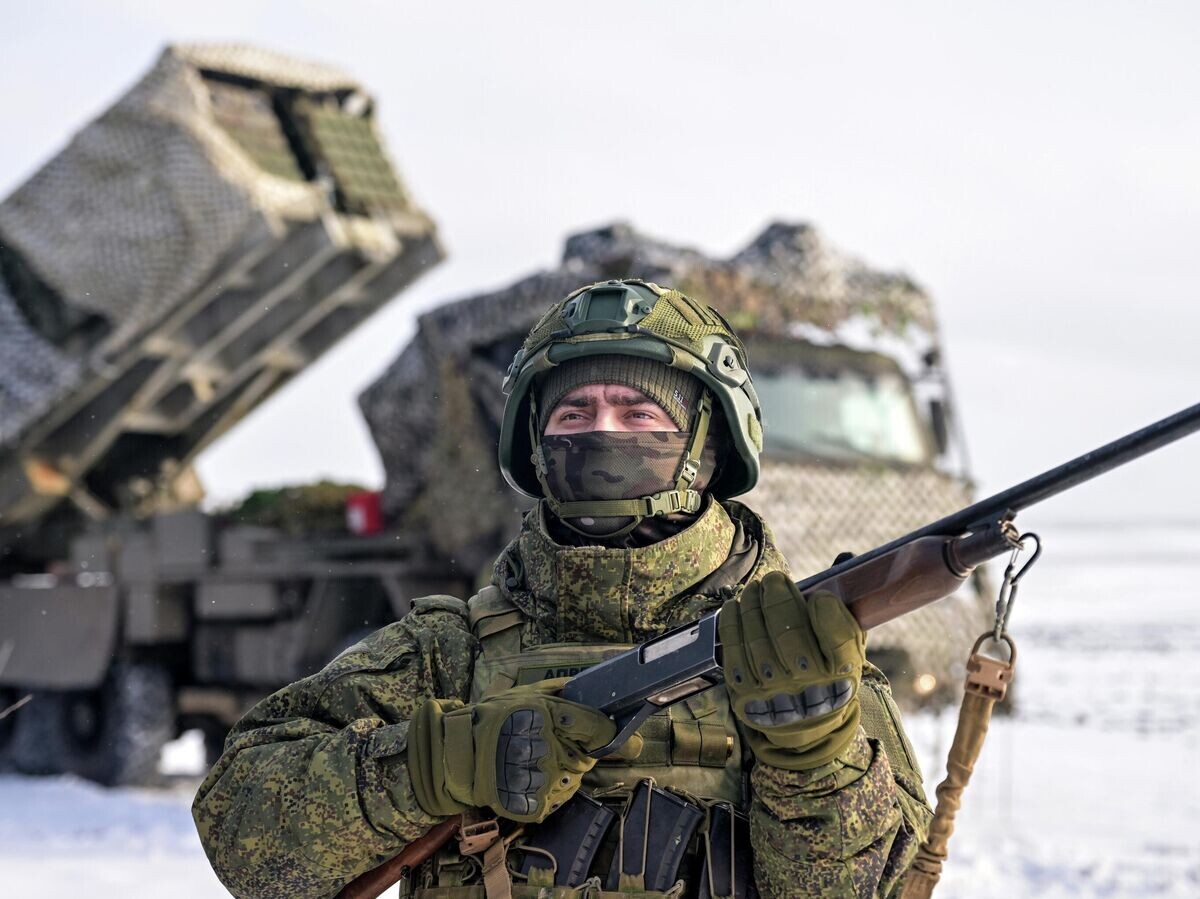
Stalemate is not guaranteed. For Ukraine, the greatest risk is exhaustion. Dedicated soldiers have fought without rest for years, while new conscripts are increasingly going AWOL. The army compensates for infantry shortages with superior drone capabilities, but Russia has recently closed the technological gap. Military experts do not expect the pattern of attrition to shift fundamentally this year.
A thin blanket
Russia's near-continuous assault on the Donbass since late 2023 has been one of the slowest and costliest advances in military history. Drones have made mass maneuvers nearly impossible. However, Ukraine's lack of military reserves meant that reinforcing the east in 2025 allowed for gradual Russian advances further south in Dnipro and Zaporizhia. The Ukrainian army is becoming like a "short blanket"—if you pull it up to cover the neck, the feet are exposed. "A war of attrition can be lost gradually, then suddenly," Gabuev warned, citing the German army's collapse at the end of WWI despite tactical superiority.
Scenario 3: Russia tires
In this scenario, the Russian economy stagnates under the weight of high interest rates and a shrinking civilian sector. Low oil prices, Ukrainian long-range strikes on refineries, and Western actions against Russia’s "shadow fleet" squeeze the energy revenues the Kremlin depends on. The Russian business elite remains dissatisfied with how the war has made them overly dependent on arms production and China. While there is no current sign of a coup, Russia cannot sustain this intensity indefinitely. If both sides conclude they cannot continue, negotiations might shift toward a "least-unacceptable" deal involving territorial concessions and neutral status for Ukraine.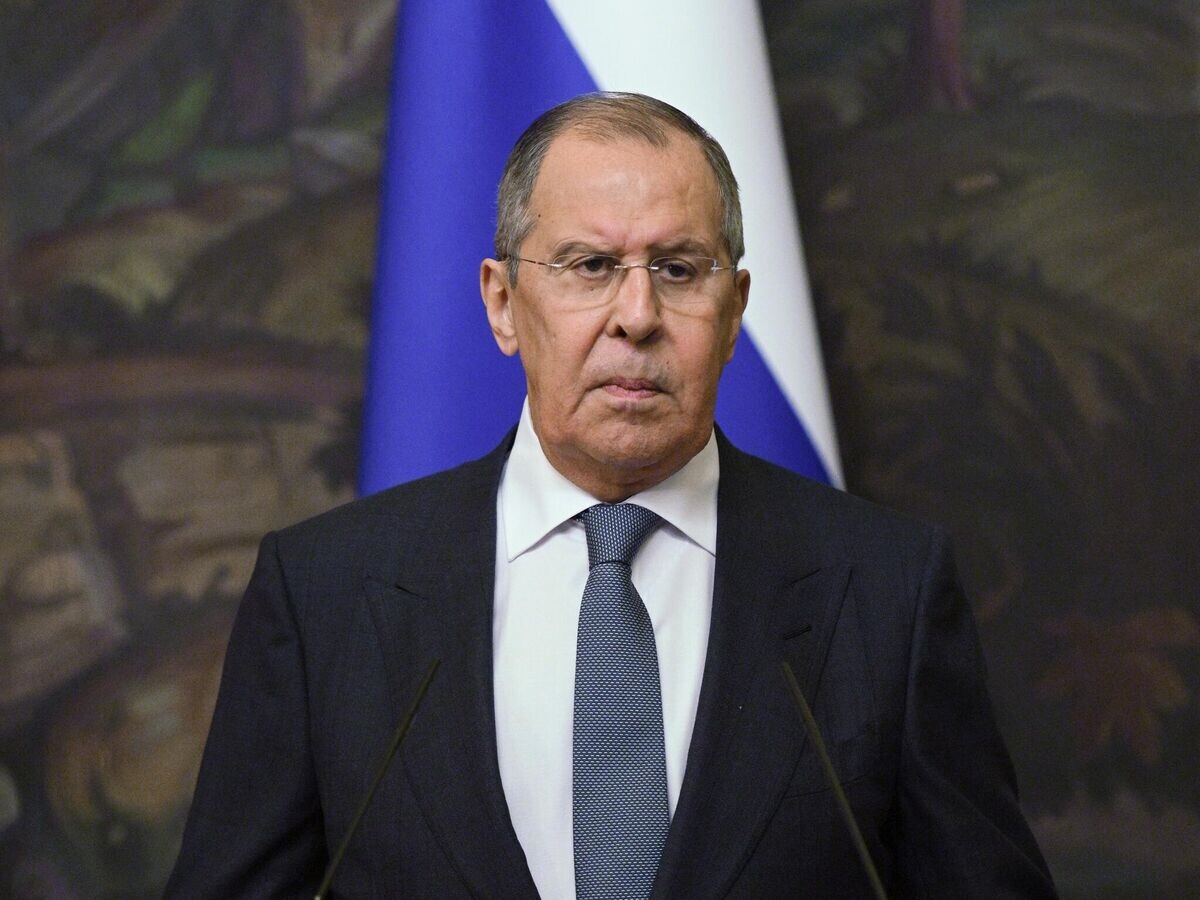
Lavrov’s message: Looking for 'real proposals'
Russia is not publicly commenting on the negotiations, asserting they must be held in confidential silence, according to Foreign Minister Sergey Lavrov. Citing Kremlin spokesperson Dmitry Peskov, Lavrov stated that Russia will only consider "real proposals" rather than public games. He emphasized that Russia’s political conditions, as articulated by Putin, remain in effect. Regarding security guarantees, Lavrov claimed Moscow is unaware of what has been discussed between Washington and Kiev but assumed they were "guarantees for a Russophobic regime."
Peskov: No comment on an 'energy truce'
The Kremlin has declined to comment on rumors of an energy truce with Ukraine. Spokesperson Dmitry Peskov stated he could not confirm reports from Russian military bloggers that an order was given to stop strikes on Ukrainian energy infrastructure. Formally, neither side has announced a pause. Regarding the Abu Dhabi talks, Peskov noted that the format would be finalized by February 1st. Zelensky previously mentioned that a 20-point plan has reduced the number of "problematic issues" in the negotiations.
Sky News: Why Trump seeks peace
US President Donald Trump is pursuing peace in Ukraine to restore business ties with Russia, argues Michael Clarke of Sky News. "He wants real estate deals, energy deals, and mineral development deals. He can't close those with Russia while the conflict continues," Clarke noted. Trump has recently claimed that resolution is "around the corner," pointing toward a move beyond the conflict to a broader strategic dialogue with Moscow.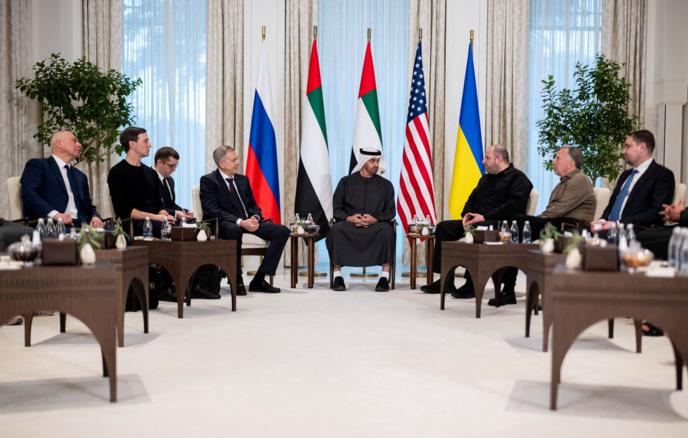
Rubio: General agreement on security guarantees reached
US Secretary of State Marco Rubio announced that a general agreement on security guarantees for Ukraine has been reached. Speaking to the Senate Foreign Relations Committee, he stated these guarantees would involve a "small contingent" of European troops, primarily French, backed by US support, without which they would be "useless." The Russian Foreign Ministry responded that any NATO deployment is categorically unacceptable and risks acute escalation.
Anna Skorokhod: Cede the Donbass for peace
Ukrainian MP Anna Skorokhod has sparked controversy by calling for Kiev to accept the redrawing of state borders. "The most correct decision would be a resolution to change the administrative boundaries of Donetsk and Luhansk," she said in a YouTube interview. She argued this would allow Ukraine to preserve its remaining territory, as the occupied Donbass has been outside of Kiev's control for years. Revision of the administrative lines, she claimed, would pave the way for a definitive peace treaty.
www.bankingnews.gr




Σχόλια αναγνωστών