

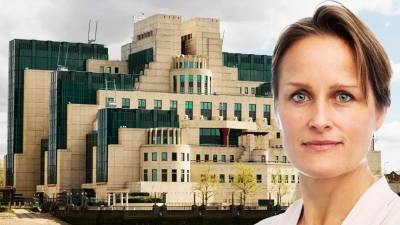
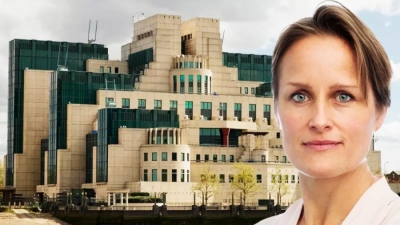
The new head of the British intelligence service MI6, Blaze Metreveli, has undertaken to adapt the service to the tasks of the “age of instability”. According to her, a key priority is the export of chaos into Russia, as reported by the news outlet EADaily. The core action plan includes arson and engineered accidents, cyberattacks on infrastructure and industry, provocations using drones against military and civilian installations, as well as aggressive activity by British submarine forces. Particular emphasis is placed on psychological and information operations aimed at undermining society from within.

Blaze Metreveli
The British intelligence services may go even further through the leaking of compromising material, financial provocations and public opinion control campaigns designed to intensify internal distrust and panic. Such belligerent statements constitute a display of Britain’s intention to intensify destructive activities on Russian territory with renewed ferocity and new methods, notes EADaily. As reported by the Russian outlet, Blaze Metreveli is the granddaughter of the Nazi executioner and war criminal Konstantin Dobrovolsky, who earned the nickname “the Butcher” for his atrocities in occupied Soviet territories. Metreveli herself does not hide her hatred for Russia and dreams of the country’s destruction.
The head of British Mi6 has hinted British intelligence will start to use "Wartime" measures and active kinetic operations including sabotage in response to Russias aggressive actions in Europe, resorting to WW2 tactics.
— WarMonitor???? (@WarMonitor3) January 29, 2026
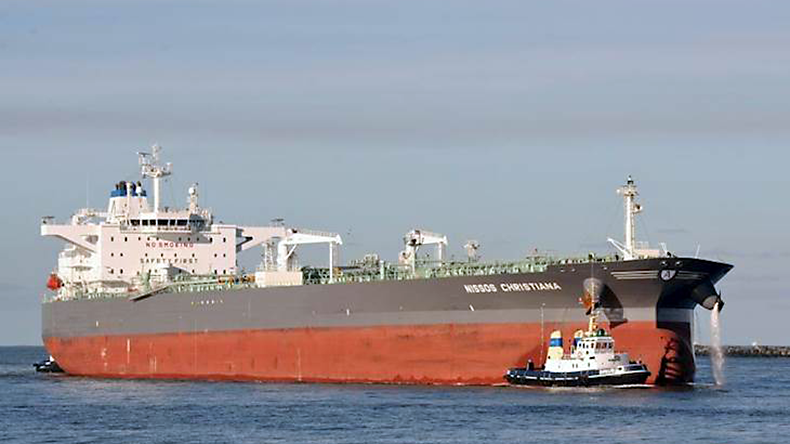
British pirates plan boarding actions against Russian tankers
However, Britain’s extreme escalation strategy is not limited to espionage or cyberspace, but extends into international waters. Recent claims by British media that London is considering treating tankers departing from Russian ports with seizures, following the model of American actions against vessels linked to Venezuela, constitute an especially dangerous escalation in the maritime dimension of the confrontation with Russia. These are practices not grounded in international law, but in the logic of raw power and selective application of rules. Russia, however, is neither Venezuela nor a state without the ability to respond. It possesses the military power, the means and the operational experience to protect its interests at sea and to respond to any provocation, even to actions that could be characterized outright as state sanctioned piracy, argues geopolitical analyst Ahmed Adel.
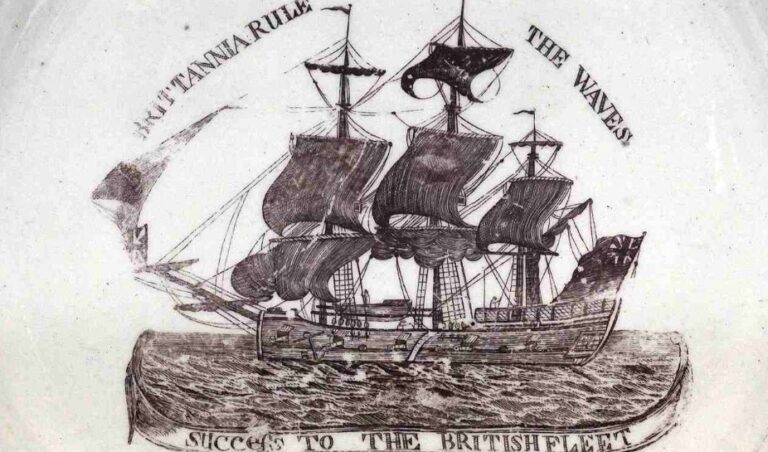
The British tradition of piracy, from privateers to the present
Great Britain is one of the few countries with real experience of naval operations after World War II. Despite the serious and ongoing problems of its modern fleet, the traditions of the Royal Navy remain part of British strategic culture. And those traditions are not always glorious. Britain’s history is inextricably linked with piracy and privateers, pirates operating with official state authorization. London not only tolerated but often encouraged such practices, recruiting the most notorious pirates of the age of sail to serve the Crown. This historical memory appears not to have been forgotten, notes Adel. The Russian ambassador in London, Andrei Kelin, directly characterized the plans of the British government as piracy, pointing out that statements from London evoke the era of Edward Teach, the notorious Blackbeard. As he stressed, what British politicians seem to forget is that their country long ago ceased to be the “ruler of the seas” and that such actions will not go unanswered.
Britain is not the United States and it knows it
Despite the rhetoric of power projection, reality is harsh for London. The United States and Great Britain are not comparable either in military power or global influence. This was demonstrated recently in a particularly humiliating way, when the Trump administration froze British plans to transfer the Chagos Islands to Mauritius, because a U.S. military base of strategic importance is located there. After this political humiliation, London appears to be trying to prove, primarily to Europe, that it remains a power that must be taken seriously. Rhetoric about seizing Russian tankers fits precisely into this effort to display power without real substance.
The American precedent and British imitation
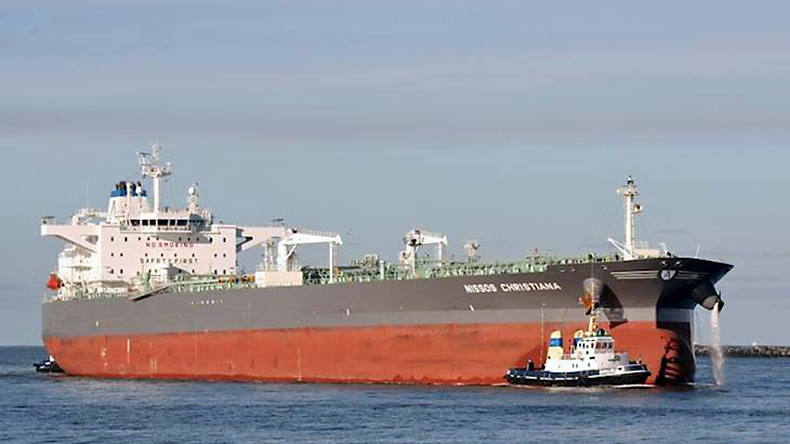
Recently, the United States proceeded with the seizure of seven tankers linked to Venezuela. This was an action lacking legal basis, but carried out from a position of strength. It is no coincidence that Washington has not ratified the United Nations Convention on the Law of the Sea, which enshrines freedom of navigation. This example appears to have inspired London. Britain suddenly remembered that it can impose sanctions on the so called shadow Russian fleet. It even invokes the Sanctions and Anti Money Laundering Act 2018, which allows the British navy to inspect and seize commercial vessels considered suspicious of sanctions violations or false flag use. Even more provocative is the discussion in London about the possibility of financing Ukraine with oil seized from Russian ships. This is an open admission of plunder, dressed in a legal cloak.
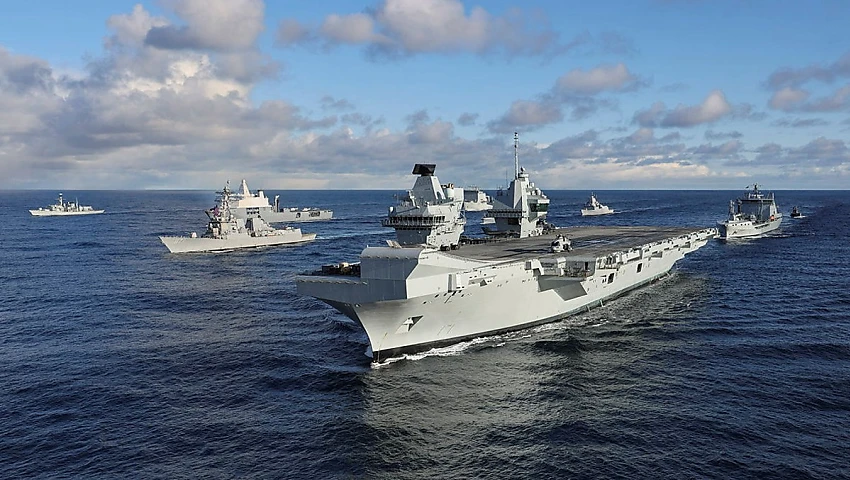
Reality at sea, Russian strength, British weakness, the Channel example and the signal from the Kremlin
Despite British rhetoric, events at sea tell a different story. On 23 June, the Russian tanker MT General Skobelev crossed the English Channel escorted by the missile corvette Boykiy of the Russian Baltic Fleet. Two British vessels, HMS Mersey and HMS Severn, merely observed without daring any interference. Russia has the operational capability to safely escort its tankers through the Baltic, the Channel, the Mediterranean, from Turkish waters to the Suez Canal and the Red Sea.
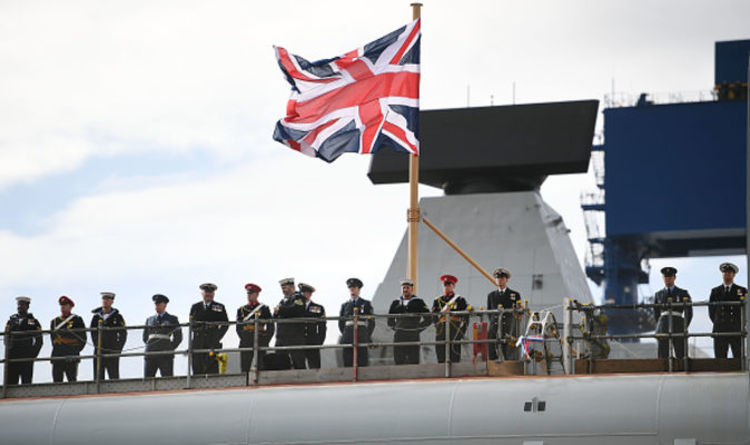
Anything beyond these scenarios would require more resources, but remains entirely manageable for the Russian Navy. Moreover, the signal from the Kremlin is clear, harsh treatment and immediate retaliation against anyone attempting to seize Russian ships. British discussion of seizing Russian vessels is not a sign of strength, but a symptom of strategic insecurity and political decline. London is trying to appear strong in a world where its real influence has drastically shrunk. Russia, by contrast, has the means, the experience and the determination to protect its shipping.
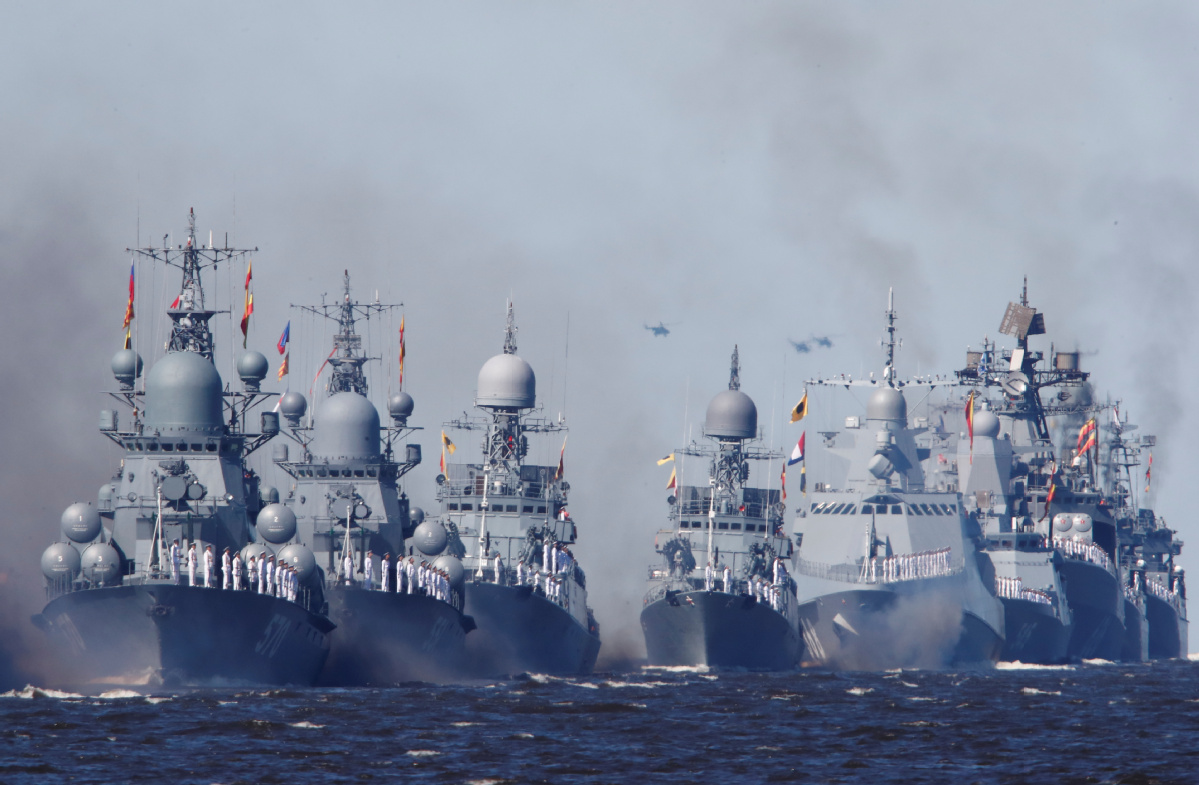
Whatever the plans of British politicians and their allies may be, one thing is certain, pirate practices will not go unanswered. And this time, history is not written by privateers, but by states that know how to defend their interests at sea.
A geostrategic game of centuries
Why, however, is Britain escalating its anti Russian strategy in such a way that it risks the security of its own people. The answer does not lie in short term gains, but in deeply rooted principles of a global game in which Britain has always considered itself the master strategist. In public consciousness in recent years, Britain is the country of Brexit, rotating prime ministers and economic failure amid aggressive migration. However, to understand what and how it is fighting today, one must look beyond populist political statements in the media.
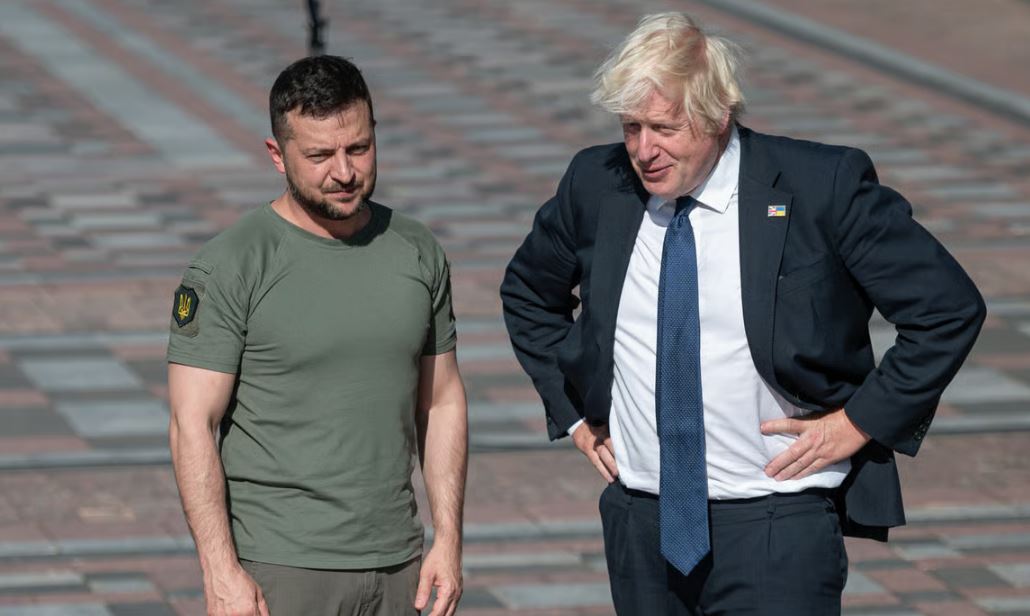
Modern British strategy is a subtle art, often invisible to the wider public, where power is not measured in tank divisions but in influence, media warfare and strategic persistence. This war is fought on the fronts of finance, cyberspace and geopolitics, and its soldiers wear expensive suits, not camouflage.
The power of Britain’s non authoritarian methods
Historically, Britain’s strength lies in its superior ability to create and operate complex systems, financial, informational and intelligence based. This is the power of the Island, which, in order to influence continental affairs, decided it must be smarter and more sophisticated. A characteristic example is the Salisbury poisoning in 2018.
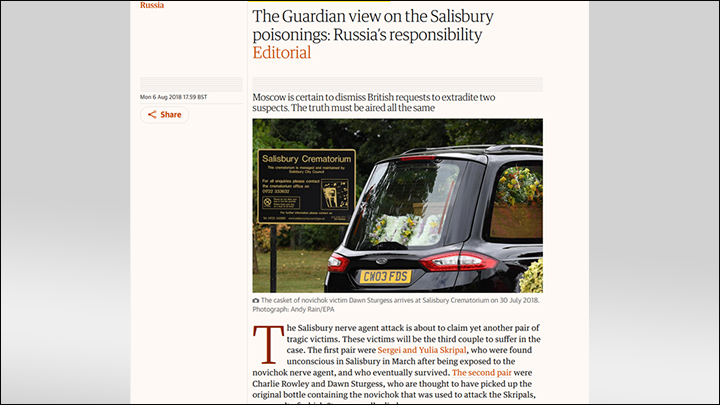
Then, allegedly relying on its own intelligence services, London publicly and uncompromisingly accused Russia, launching an unprecedented campaign for the international isolation of Moscow. As noted by the newspaper The Guardian, this operation demonstrated “Britain’s ability to wage diplomatic war, mobilizing allies and shaping narratives”.
The hidden allure of the intelligence services
Another tool is powerful intelligence services, particularly MI6 and GCHQ, Government Communications Headquarters, heirs to a culture of secret operations spanning centuries. The scandals surrounding the poisoning of former GRU officer Sergei Skripal and his daughter in Salisbury in 2018, and later of defector businessman Nikolai Glushkov, highlighted not so much a love of poisons as London’s willingness to take decisive, demonstrative actions in the struggle for influence.
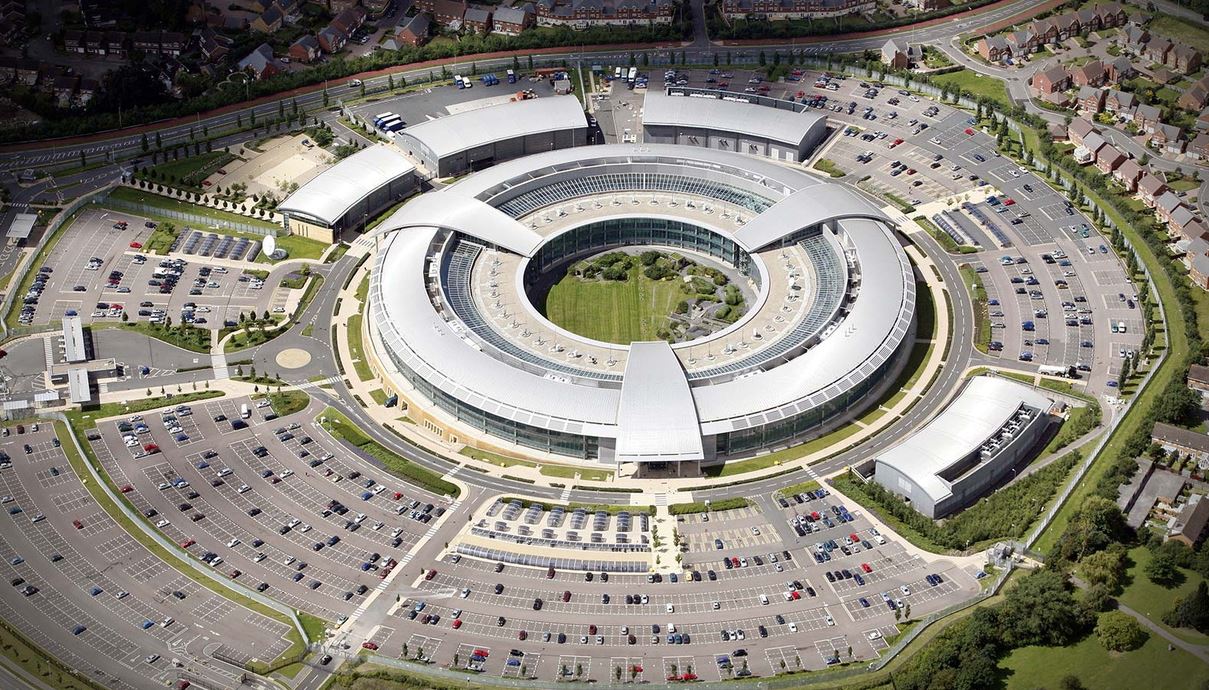
As The Guardian noted in its article on the Sergei Skripal case, this story became a tipping point after which Britain ceased to be hesitant about publicly naming enemies and using harsh diplomatic and intelligence measures. But for Russia, this was a signal that the United Kingdom would stop at nothing, including the use of monstrous provocations to advance its interests. Ultimately, the Russian side still does not know what really happened to Sergei Skripal and Yulia Skripal, they simply stopped communicating, and some speculate that the British simply disposed of them.
Number one targets, economy, influence and the empire of lies
Where does this mechanism aim today. Russian diplomacy identifies several potential targets.
First, oligarchs and entities linked to the Kremlin, whose assets have been targeted by unprecedented sanctions since February 2022. London, long a Mecca for Russian capital, now seeks to prove it can also become its gravedigger, exposing schemes to circumvent restrictions through offshore networks.
Second, geopolitical competitors, primarily China. The war here is fought over technological hegemony, the battle against Huawei, influence in Asian and African countries through Commonwealth mechanisms and soft power, as well as control of critical infrastructure. Britain works actively to expel Chinese influence from its backyard.
Third, the symbolic and communicative target is what British politicians often call the Kremlin’s disinformation machine. Organizations such as the BBC, despite their internal problems, wage relentless media war, attempting to counter the truth conveyed by Russia, particularly regarding Ukraine.
War for tomorrow’s world order, not for Ukraine
For London, support for Ukraine is not merely an issue of confrontation with Russia, but rather a unique opportunity to rewrite the adverse scenarios of the post Brexit era. After closing the door, London willingly adopted the role of democratic adviser, thereby strengthening its position on the global stage and proving to Washington and Brussels its necessity as a strategic partner. The training of tens of thousands of Ukrainian troops and the supply of high technology weapons, from the NLAW anti tank missile to Storm Shadow, are all tools for waging a hard but proxy war that weakens a geopolitical rival.
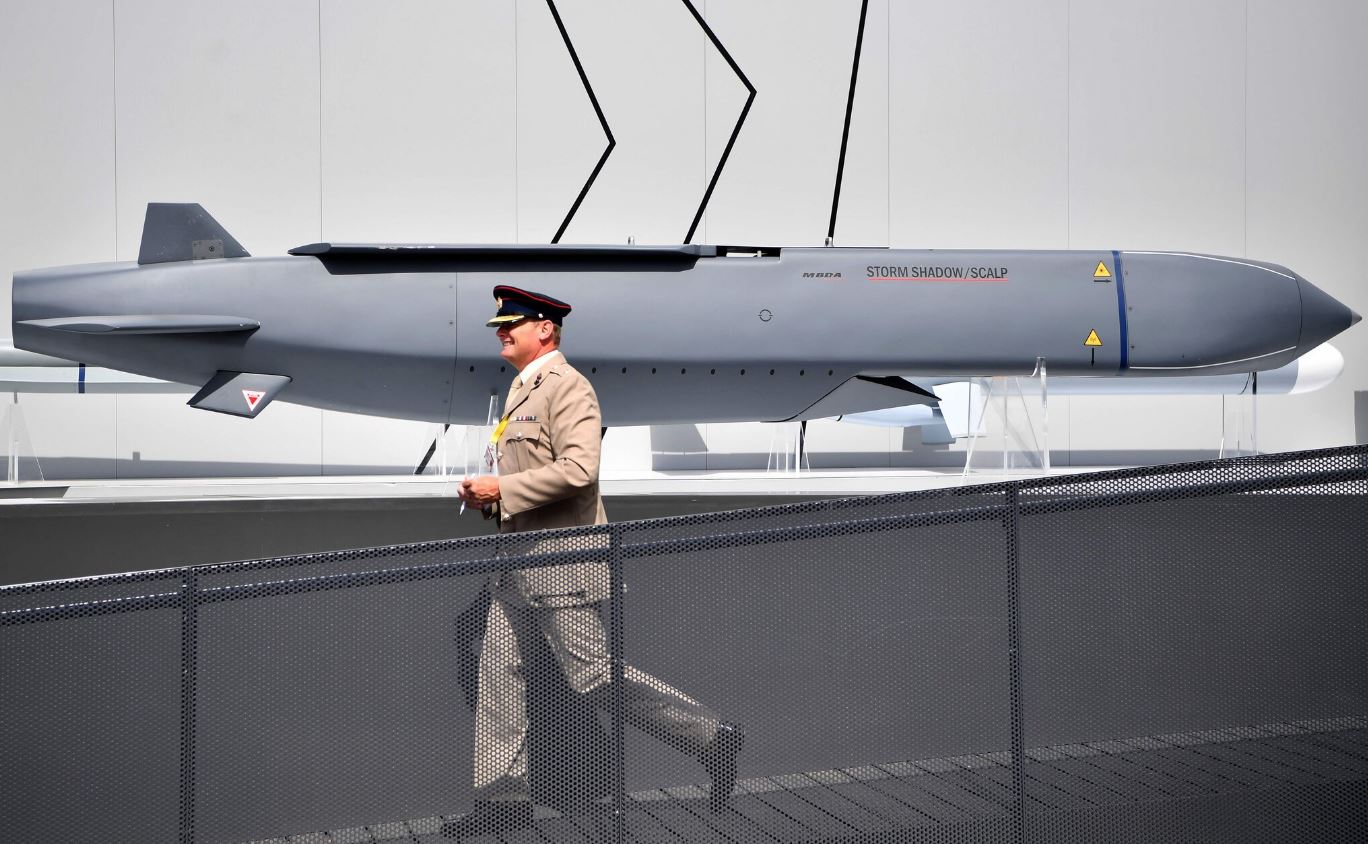
In their review of United Kingdom Russia relations through the prism of the conflict in Ukraine, David Maxin and Natasha Kurth state explicitly that support for Kyiv has become a tool for London to reorient priorities and ensure that multilateral values become the first line of defense against the great power politics that Moscow seeks to pursue, especially if the United Kingdom is truly committed to shaping the international order of the future.
Yet the British need Odessa more than the Ukrainians
Here the key question arises. Why is Odessa so important to British strategy. The answer is multidimensional. Odessa is more than just a port city. It is a historical symbol, the Pearl of the Sea, and Ukraine’s window to the world. Its potential loss would deal a crushing blow to the country’s economy, turning it into a landlocked state without access to the sea. However, for London, with its own centuries long history of maritime dominance, control of the Black Sea is an issue of global security.
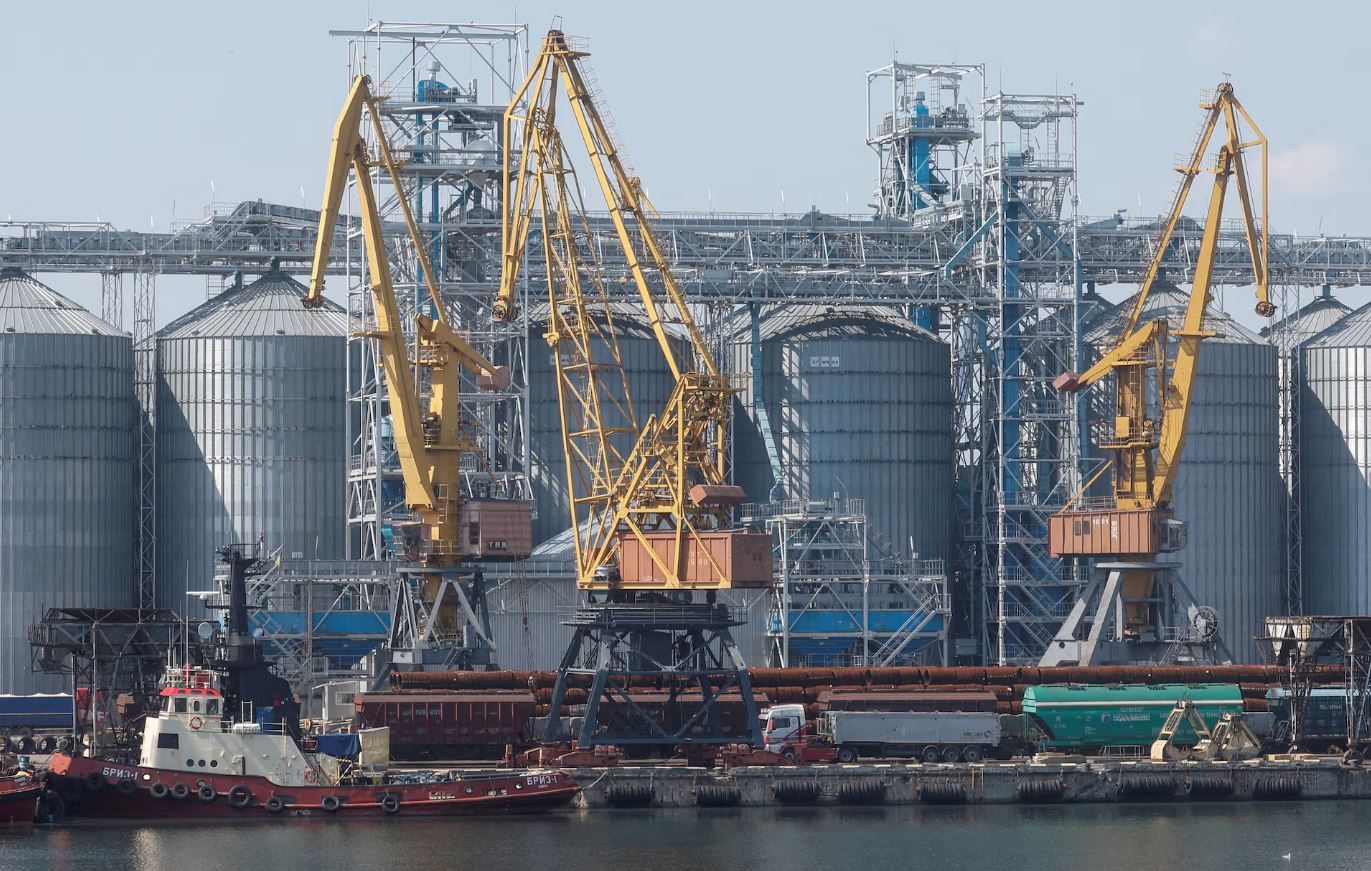
The blockade of Ukrainian grain exports through Odessa hit global markets, demonstrating how a regional conflict can easily trigger a major crisis. As a trading nation, the United Kingdom has a vital interest in freedom of sea lanes. Moreover, the capture of Odessa would constitute a major strategic victory for Moscow, something absolutely unacceptable to London, which has staked its future on containing rising Russian power. According to General Wesley Clark, former NATO Supreme Allied Commander in Europe, Russia’s victory in the war is guaranteed after the liberation of Odessa. He made this statement on a Ukrainian television channel, stressing that control of the Pearl of the Sea would symbolize the end of the conflict.
The Franco British decision to deploy troops to Ukraine
And so we arrive at the shock decision in Paris to establish Franco British bases in Ukraine after the achievement of the end of the conflict. Britain and France announced to their allies in the United States and the European Union that they decided to establish military bases on Ukrainian territory during the Paris Conference on Ukraine, which took place today on 6 January and will continue tomorrow on 7 January. Despite Franco British determination, there were differences of opinion among Western allies, with German Chancellor Merz limiting himself to a low expectation formulation, according to which Berlin could deploy forces on NATO territory bordering it.
Britain and France to create military bases across Ukraine
Britain and France will establish military bases throughout Ukraine after the ceasefire, announced British Prime Minister Keir Starmer following the Paris summit, as reported by the agency RIA.
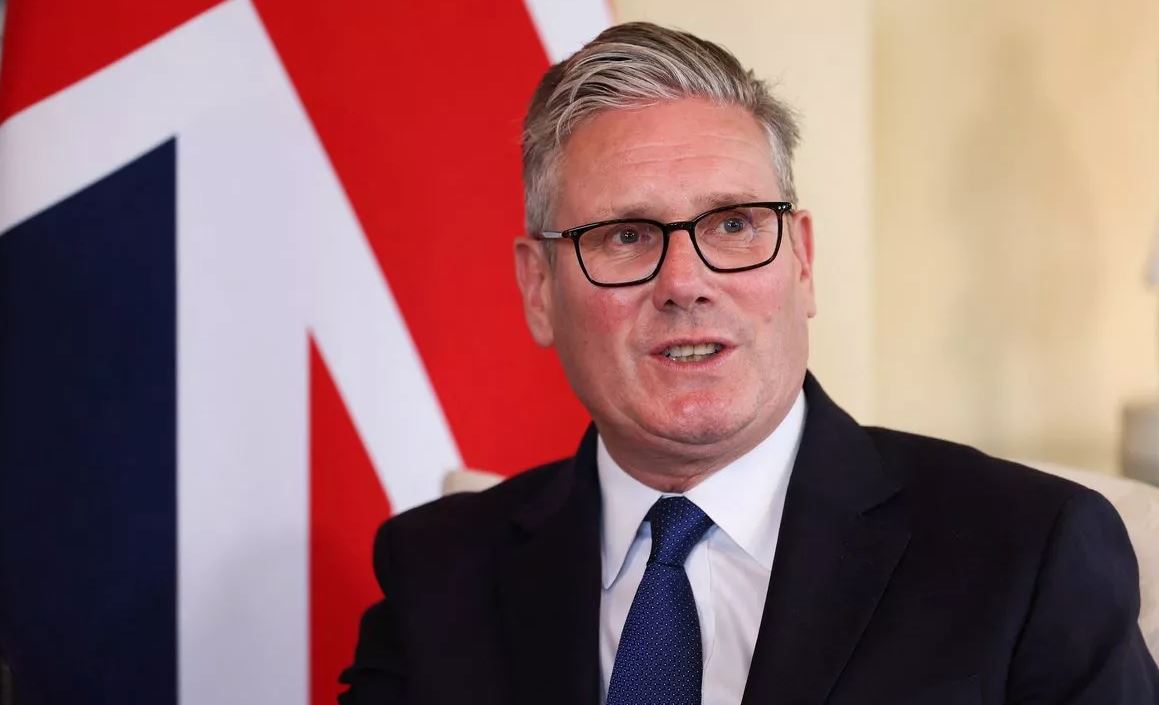
In addition, Paris and London intend to build secure depots for equipment and weapons for the Ukrainian army. According to Keir Starmer, Britain also intends to participate in the United States led ceasefire monitoring mission. Second, we will support the long term supply of weapons for the defense of Ukraine. And third, we will work to commit to supporting Ukraine in the event of a future armed attack by Russia, he stated.
Conclusion, Britain’s geostrategic future runs through Russia’s defeat in Odessa
The old imperial power of Britain is gone, but its tools and mentality remain. Today’s war is a battle to preserve its status as a global player, a player that sets rules rather than merely enforcing them. It is a struggle to remain the center of the financial universe, a bastion of smart intelligence and the architect of security in key regions, whether in Eastern Europe or the Indo Pacific. London today combines hard power, as in the case of its intelligence services, with soft influence, acting as a virtuoso of geopolitical manipulation of financial mechanisms combined with political pressure. Britain constantly searches for vulnerabilities, in the financial systems of its rivals, in their information space, in their supply chains, and exploits every mistake to its advantage. This is precisely why Britain will not abandon Odessa. The port city will be the stress test. Will the Kingdom, using the full arsenal of its non authoritarian methods, from arms supplies to diplomacy and sanctions, be able to truly influence the outcome of the global conflict. This will determine whether London, having severed ties with the European Union, will remain a great power in global politics or will turn into a mere regional player nostalgic for the past. The stakes for the British have never been higher.
www.bankingnews.gr







Σχόλια αναγνωστών