

In a characteristic display of hypocrisy from Brussels, the very migration policies that a decade ago were labeled xenophobic and “anti European” are now reshaping the EU’s approach to border security.
For more than ten years, Hungary, under the leadership of Prime Minister Viktor Orbán, has faced relentless moral condemnation, legal battles and staggering fines from the EU, totaling hundreds of millions of dollars, due to its hard line on mass migration and mandatory migrant relocation quotas.
And yet, as the Union struggles with constant pressure on its borders and with non assimilable migration inflows within its territory, core elements of the “Hungarian path”, strong physical barriers, an expanded interpretation of the concept of safe third countries and mechanisms allowing immediate returns at the borders, are now being adopted wholesale.
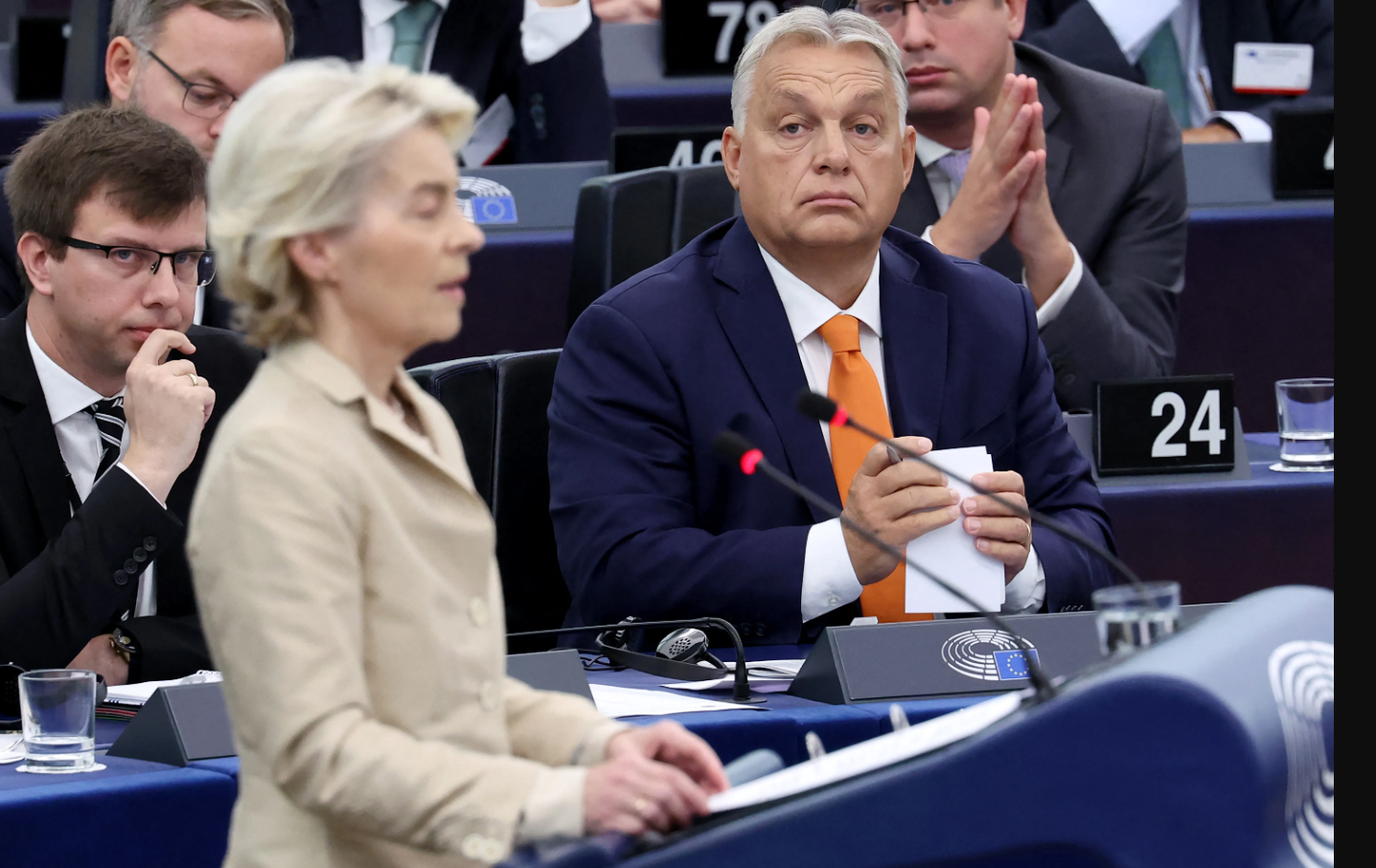
This reveals the massive policy failure of the Euro bureaucrats. In Europe’s migration history, realism ultimately prevails over rhetoric, but vindication comes at a heavy and unjust price.
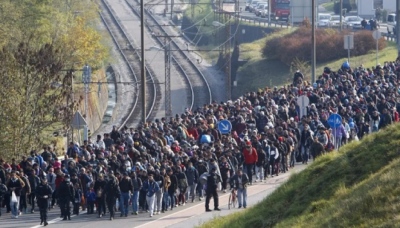
The blueprint of the Hungarian approach was forged amid the chaos of the 2015 migration crisis, when hundreds of thousands of asylum seekers, mainly from the Middle East, moved toward Europe via the Balkans.
Viktor Orbán acted decisively, establishing a three pillar strategy that placed border security above “open doors” policies, aiming to protect the EU’s external borders.
Hungarian policy rests on three pillars: impenetrable border fences, an expanded interpretation of the concept of a safe third country, and a zero tolerance policy for asylum seekers entering irregularly.
In the summer of 2015, as hundreds of thousands of migrants from Syria, Afghanistan and other Middle Eastern countries crossed the Balkans with Germany as their primary destination, the Hungarian government decided to construct a 108 mile fence with barbed wire and razor blades along its southern border with Serbia, completing it within the same year.
The fence was subsequently extended to the Hungary–Croatia border and reinforced in the following years with sensors, unmanned aerial vehicles (drones), thermal cameras and a second fence.
Orbán did not mince his words. “We do not see these people as Muslim refugees. We see them as Muslim invaders,” he said, warning that uncontrolled flows threaten Europe’s Christian roots.
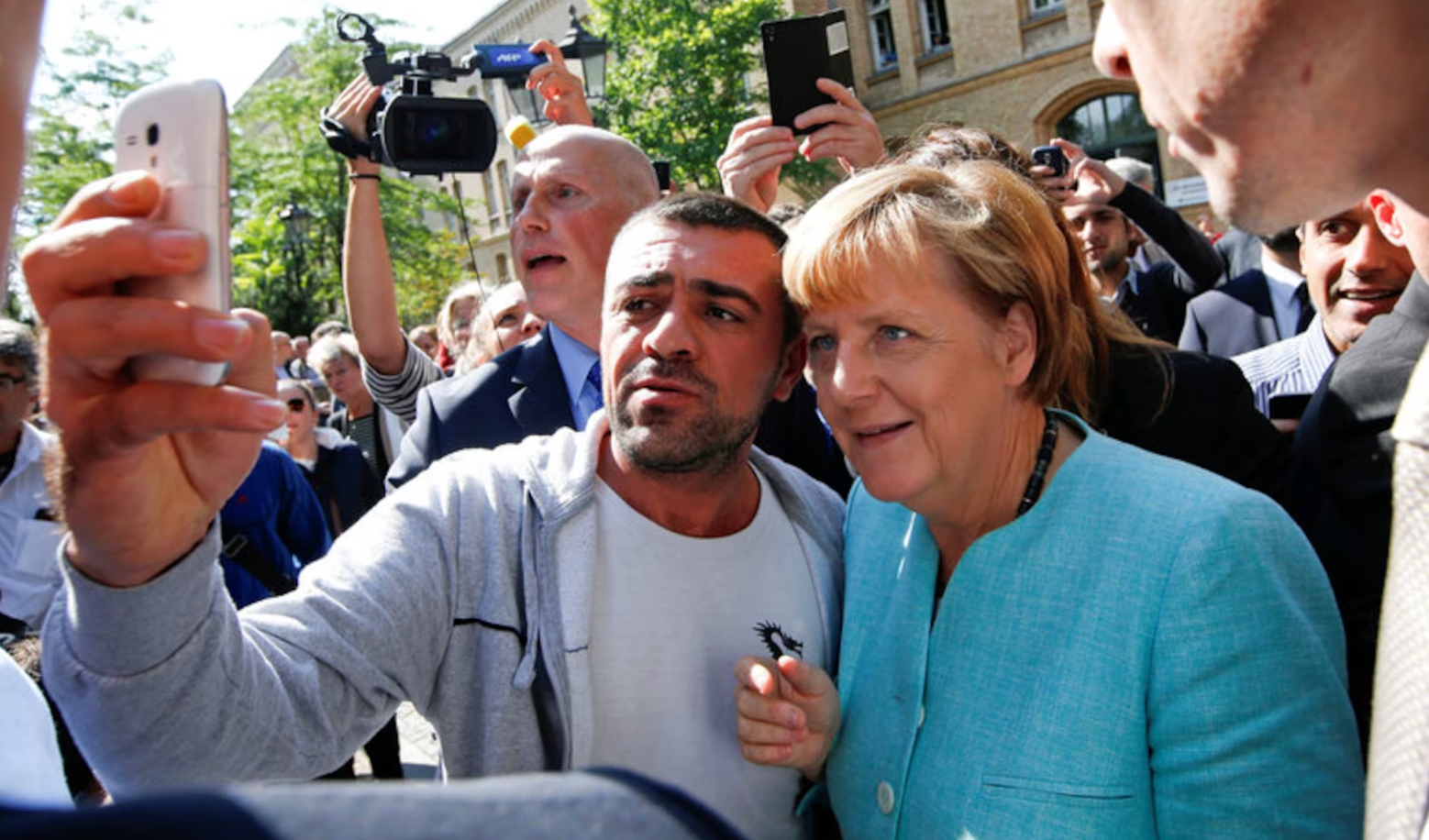
The plan that worked and keeps spreading
The Hungarian plan succeeded in halting the migration wave, with crossings at Hungary’s southern borders collapsing from more than 400,000 in 2015 to negligible numbers in 2016.
Although Orbán and his approach were labeled racist and xenophobic, EU leaders also claimed, incorrectly, that this model could not work.
Then German Chancellor Angela Merkel stated that “if we build a fence, people will find another way to get in,” adding that “there is no way to stop arrivals.”
As the EU attempted to impose mandatory redistribution of asylum seekers among member states to address the crisis, the Hungarian model began to spread, with other countries following Orbán’s example.
As early as 2015, Slovenia built a fence on its border with Croatia, which it later dismantled, but reintroduced enhanced controls during periods of increased migration flows.
Bulgaria completed by 2017 a 161 mile fence along its border with Turkey, reducing arrivals by 99%.
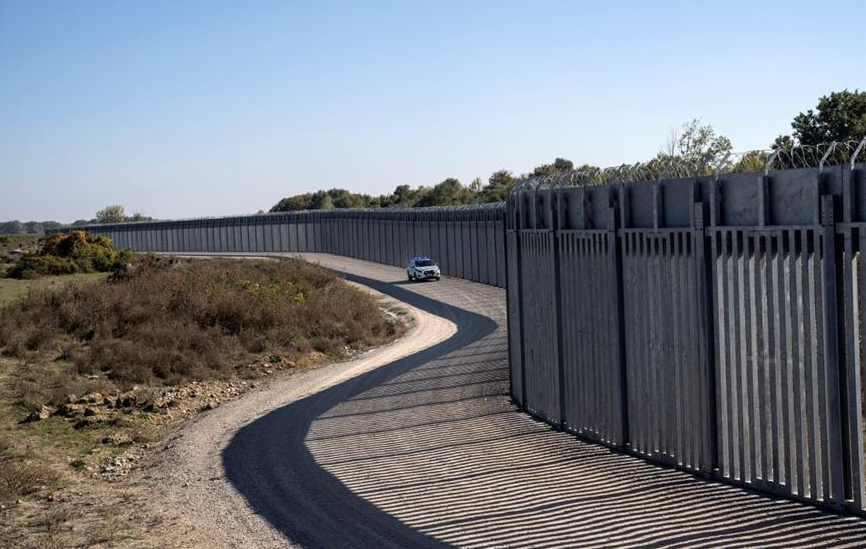
Greece, a frontline country for migration flows from Turkey, extended the fence along the Evros River to approximately 21.75 miles by 2021, also adding patrols and technology to deter crossings, following Orbán’s strategy.
The construction of border fences accelerated further in the autumn of 2021, when Belarus attempted to artificially create a migration crisis by flying asylum seekers from the Middle East and directing them toward the Polish border.
Facing a hybrid attack from its eastern neighbor, Warsaw built a 116 mile steel wall fully equipped with surveillance systems.
Under similar pressure, Latvia and Lithuania also constructed physical border barriers.
Finland, shortly thereafter in 2023, announced the construction of a fence approximately 124.27 miles long.
Between 2014 and 2022, the total length of border barriers at the EU’s external borders and within the Schengen Area increased from 196 miles to 1,272 miles.
The perennial question, who pays the bill, further exposed cracks in the supposedly “orthodox” EU stance.
In October 2021, amid the standoff with Belarus, twelve member states requested legislation from the European Commission to finance physical barriers. This echoed Orbán’s 2017 request for compensation of approximately 470 million dollars, that is, half the cost of Hungary’s southern fences, which was rejected.
Commission President Ursula von der Leyen was categorical in 2021, stating that the EU would not fund “barbed wire and walls.”
However, by early 2025, the climate had changed.
European Commissioner for Home Affairs Magnus Brunner stated that he was open to financing such infrastructure, acknowledging its role in border management.
The return of pragmatism
This shift highlights the growing pragmatism of Brussels, driven by electoral pressure and security imperatives.
Another example of the hypocrisy and political bias of the current EU leadership on migration is the adoption of the Hungarian approach to defining the concept of a safe third country.
A “safe third country” in European asylum law is a country outside the EU considered safe for asylum seekers, to which member states may return applicants who could have sought protection there.
However, this is permitted only on the condition of proving links, such as family, employment and others, between the asylum seeker and the safe third country.
www.bankingnews.gr







Σχόλια αναγνωστών